UAE flight disruptions continue as Gulf airlines navigate regional security concerns
Travellers departing from the UAE face ongoing flight cancellations and delays as airlines operate under airspace restrictions and security advisories affecting the Gulf region.
UAE flight disruptions continue as Gulf airlines navigate regional security concerns
Passengers flying from the United Arab Emirates on August 10, 2026, continue to encounter flight disruptions as airlines navigate regional security challenges that have affected Gulf aviation for months. Multiple carriers have cancelled services to Kuwait and Bahrain, while international airlines maintain suspensions of Gulf routes amid ongoing airspace restrictions.
Regional tensions have intensified pressure on the Strait of Hormuz, a critical waterway handling nearly 15 million barrels of crude oil per day—representing about 34 percent of global crude oil trade. Iran has indicated that negotiations mediated by Oman on managing the strait are advancing, though Tehran continues to demand broader concessions including an end to military action, sanctions relief and compensation before commercial shipping can fully resume.
Oil markets reflected the uncertainty on August 10, with West Texas Intermediate crude trading at $78.71 per barrel at 8:33am Tokyo time, while Brent crude stood at $84.28 and Murban crude at $80.25.
Current flight cancellations and delays
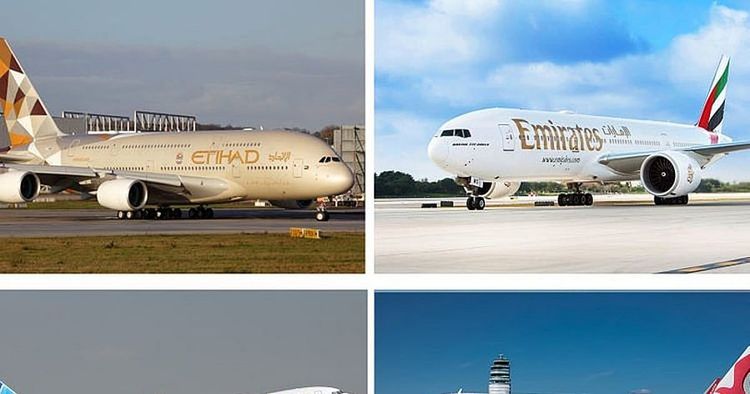
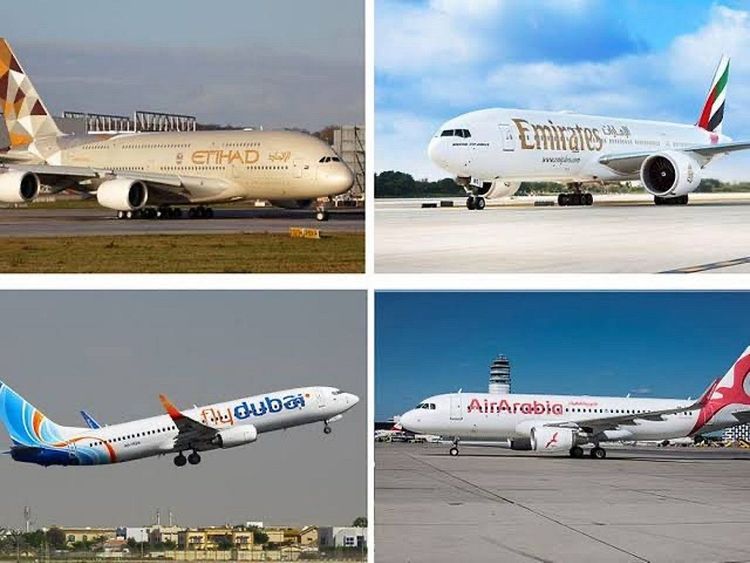
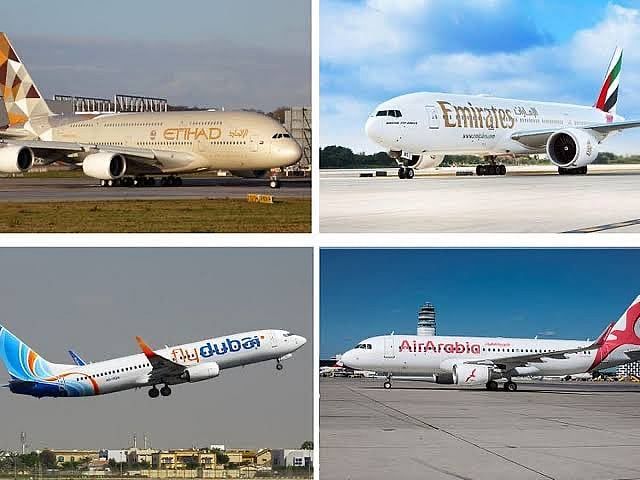
Etihad Airways has suspended flights between Abu Dhabi's Zayed International Airport and Bahrain due to operational reasons. The carrier's services to Kuwait—flights EY653 and EY654—remain cancelled with no resumption date announced.
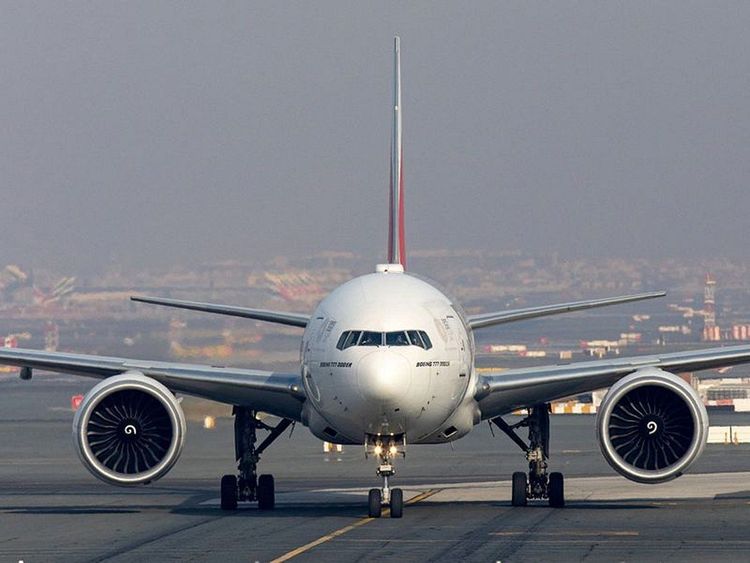
Emirates has discontinued Dubai-Bahrain and Dubai-Kuwait services. Flight EK141 from Dubai to Madrid has been delayed, with passengers advised to monitor updates through official channels. The airline also reported delays affecting Shanghai and Hangzhou services due to Typhoon Dolphin, which made landfall near Yuhuan City in Zhejiang Province on August 9 with wind speeds exceeding 150 kilometres per hour. The storm forced evacuations of over one million people and caused nearly 1,400 flight cancellations at Shanghai's airports.
Air Arabia has cancelled multiple services from Sharjah to Kuwait, Bahrain and Doha, as well as the Abu Dhabi-Kuwait route. Meanwhile, flydubai's flight FZ909 from Dubai to Jeddah has been delayed. Air India Express cancelled its Dubai-Kannur service, and an Airblue flight between Dubai and Multan has also been affected.
Regional recovery signs
Qatar Airways resumed passenger flights to Bahrain, Kuwait and Erbil from August 8, offering some indication of recovery across the regional network. Jazeera Airways has also restarted flights to and from Kuwait. Oman Air reported that technical issues and temporary airspace restrictions continue to affect portions of its network, while Saudia continues monitoring operations and updating passengers.
International carrier suspensions
A growing number of international airlines continue to suspend or reduce Gulf services as security concerns persist. The European Union Aviation Safety Agency issued a Conflict Zone Information Bulletin on July 14, 2026, advising operators not to fly in the airspace of Bahrain, Kuwait, Qatar, the UAE and parts of the Gulf of Oman, citing high risks from missile and drone activity at all altitudes. The bulletin has been extended through August 31, 2026.
British Airways has suspended flights to Dubai, Bahrain, Amman and Tel Aviv until October 31. Singapore Airlines, Air Canada, Cathay Pacific, Finnair and ITA Airways have suspended Dubai services until October 24. Lufthansa and Swiss will not resume Dubai flights until September 13, while other Middle East routes remain suspended until late October.
Aegean Airlines and Air Astana have extended Dubai suspensions until August 31. KLM has suspended Dubai services until August 23. Philippine Airlines continues to suspend Dubai flights until October 2, although Manila-Doha services have resumed. Turkish Airlines has resumed flights to Dubai and Abu Dhabi but continues to suspend services to Iran. Wizz Air expects to resume Dubai and Abu Dhabi services during September.
Extended flight times and operational impact
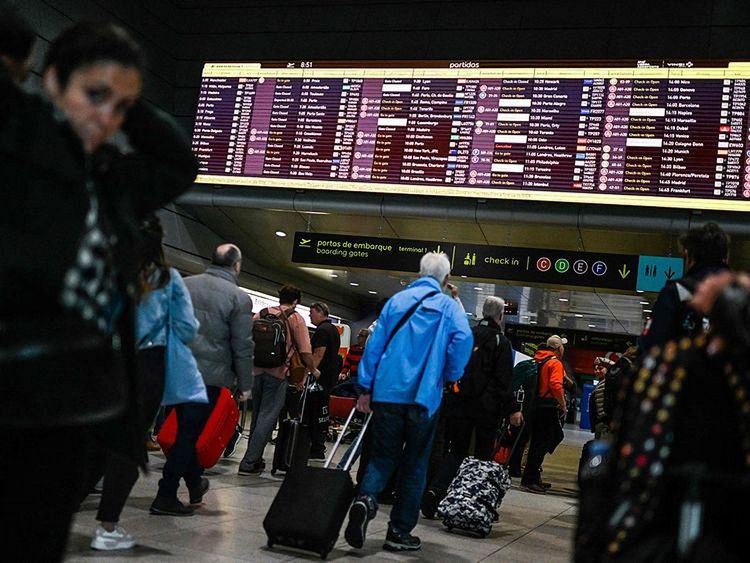
Although many UAE flights continue to operate, airlines are avoiding portions of regional airspace due to security concerns. Passengers may experience flight times extended by one to three hours because of longer routings, last-minute cancellations or schedule changes, longer connection times at transit airports, and delays in baggage delivery.
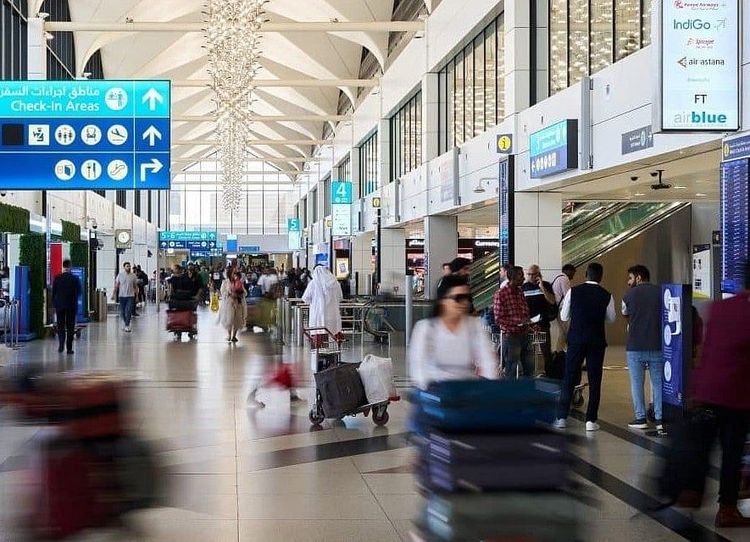
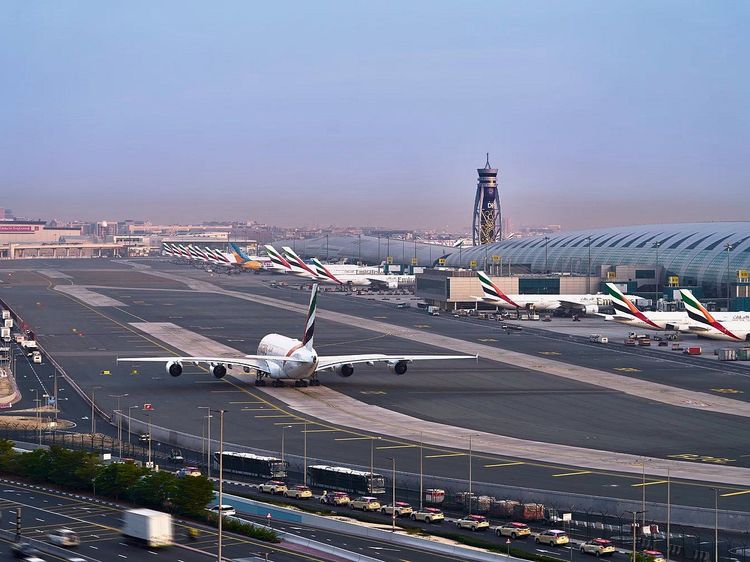
The disruptions have significantly affected Dubai International Airport, which handled a record 95.2 million passengers in 2025—the highest annual international passenger traffic ever recorded by any airport. The facility had been forecast to reach 99.5 million passengers in 2026 before the conflict began. In March 2026, passenger traffic plunged 66 percent year-over-year to just 2.5 million passengers, while first-quarter 2026 traffic fell 21 percent to 18.6 million passengers due to airspace disruptions.
Global travel advisories
Several governments continue to warn travellers about possible disruption across the region. The United States Department of State has advised travellers to prepare for flight cancellations, airspace closures and other travel disruptions. The United Kingdom's Foreign, Commonwealth and Development Office said the security situation remains unpredictable and urged travellers to monitor official updates.
Canada continues to advise against non-essential travel to the UAE, warning that renewed missile or drone activity could affect flights. Australia has advised citizens in the region to consider leaving while commercial flights remain available, if it is safe to do so.
Traveller guidance
Passengers flying from the UAE should check flight status before leaving for the airport, monitor airline websites or apps for updates, ensure airlines have current contact details, allow extra time for journeys, and follow official travel advice issued by their country's authorities if travelling overseas.