Ukraine's grain storage squeeze adds to Middle East food risks as Hormuz shipping stalls
Ukraine faces a shortage of space for its harvest as attacks disrupt Black Sea exports, threatening supplies to Middle Eastern buyers already contending with the Strait of Hormuz blockade. Global food prices eased in October, but shipping disruptions and high farming costs continue to put pressure on import-dependent countries.
 Omar Al Nuaimi
Harvest outpaces available storage
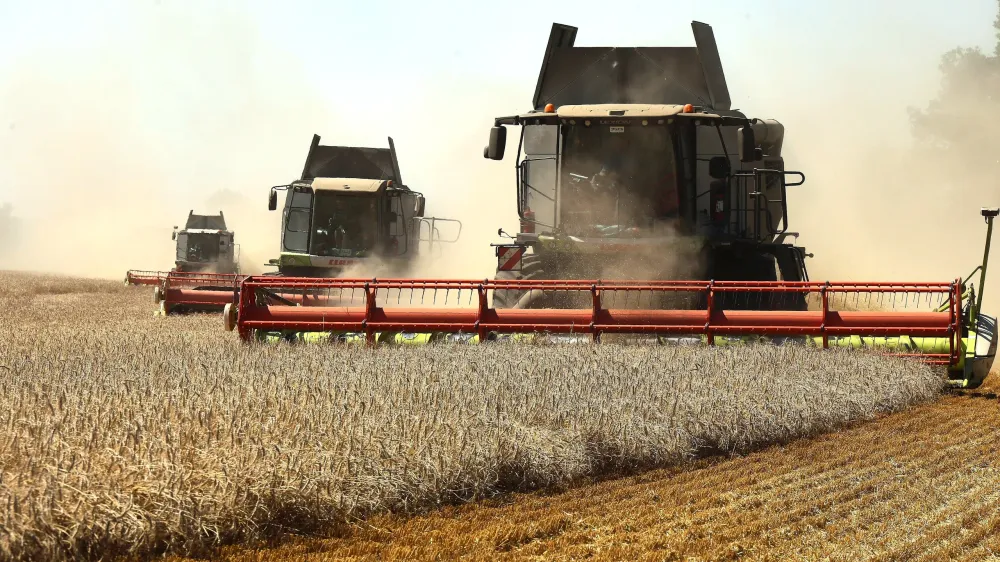
Ukraine's grain exports were down 29 percent as of October 30 compared with October 31 in the previous season, according to its Ministry of Agrarian Policy and Food. The slowdown is leaving more crops inside the country as the new harvest needs storage space.
The Christian Science Monitor reported that Ukraine expects to harvest around 84 million metric tons of grain and oilseed in the 2026-27 season. It cited FAO figures showing that Russian territorial gains and attacks on silos and warehouses have reduced grain storage capacity to 59 million metric tons. The country could face an 11-million-metric-ton storage shortfall by November 2026.
A separate warning came from Lucie Berger, the EU ambassador to the UAE, who said more than 9 million metric tons of Ukrainian grain, oilseeds and meal could lack storage space by November. Official reports have not documented widespread grain spoilage, although keeping crops in storage longer under mounting capacity pressure raises the risk of deterioration and losses.
The export disruption also threatens a major source of Ukrainian revenue. Agriculture generated $22.6 billion, or 56 percent of the country's exports, in 2025, according to The Christian Science Monitor. Turkey, Egypt and Italy were the largest buyers of Ukrainian grain. Al Jazeera reported that Ukraine's agriculture minister estimates losses of at least $8 billion between June 2026 and June 2027 if Black Sea ports remain closed, equivalent to about 20 percent of the previous year's total export revenue.
Ports and alternative routes face attacks
Ambrey Analytics counted 317 merchant and other vessels hit by Russia and Ukraine in the Black Sea and Sea of Azov from May through October, up from 74 in the preceding six months.
Ukraine's infrastructure minister said cargo handling at Odesa, Chornomorsk and Pivdenny, the three main ports in the Odesa region, fell more than fifteenfold after July 22, 2026. Government figures published in September put the damage since Russia's full-scale invasion at nearly 300 civilian vessels and more than 1,000 port infrastructure facilities.
The Danube corridor has taken on a much larger share of Ukraine's port traffic, but it has also faced more attacks. Ambrey figures cited by Al Jazeera put its share of cargo handled at Ukrainian ports at 74 percent in August, compared with about 10 percent in January-June. The monthly attack rate associated with the corridor was 3.7 times higher in July-September than in the first half of 2026.
The EU has backed other routes for Ukrainian agricultural exports, while the FAO and its partners have helped add temporary storage. Neither measure fully resolves the bottleneck: alternative routes lack the capacity of Black Sea ports, and additional storage offers only limited relief if crops cannot be exported.
Hormuz disruption raises farming and shipping costs
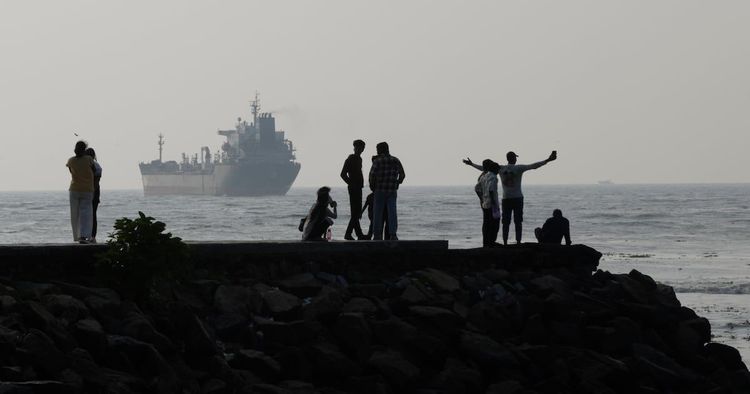
The Iran war, which began in February, brought most shipping through the Strait of Hormuz to a standstill. Jean-Martin Bauer, director of the World Food Programme's Food Security and Nutrition Analysis Service, told The National that Hormuz and the Black Sea serve different parts of the food system: oil and fertilizer pass through one, while the other is a major grain export route. Disruption to both can raise the cost of producing, moving and buying food.
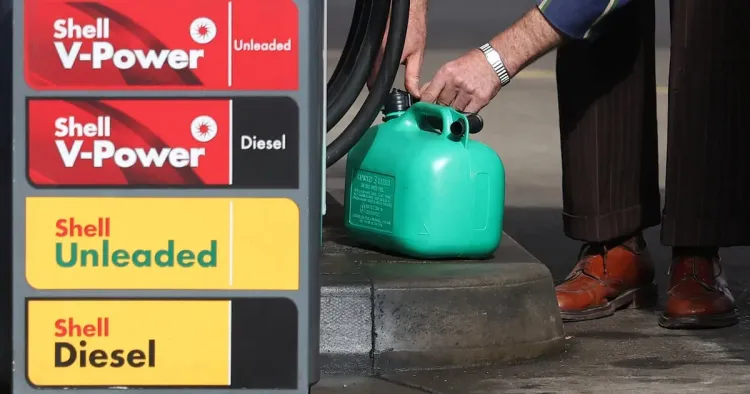
Ukrainian farmers are already paying more for fuel and fertilizer. Diesel prices have climbed nearly 80 percent from a year earlier, almost entirely because of the Iran war, according to The Christian Science Monitor, which also reported rising fertilizer costs.
The FAO has warned that fertilizer shortages could lower crop yields and constrain food supplies in the second half of 2026 and into 2027. Countries reliant on imports in Africa, Asia and the Middle East are particularly exposed.
Attacks continue on both sides in the Ukraine war, with US-mediated talks scheduled for Abu Dhabi next week.
October price relief masks uneven supplies
The latest global price figures show some relief after September's increases. FAO data released November 6 put the Food Price Index at 133.9 points in October, down 1.2 percent from September but still 5.9 percent above a year earlier. Its Cereal Price Index dropped 4.5 percent to 116.8 points.
World wheat prices fell after four months of increases, partly because of expectations that Black Sea export constraints would ease, the FAO said. That followed a 6.3 percent rise in September, when wheat prices reached their highest level in more than three years. The agency attributed part of September's increase to Black Sea logistical problems and said uncertainty over Hormuz shipping had kept fuel, fertilizer and freight costs elevated.
Egypt, the world's largest wheat importer, remains heavily dependent on overseas supplies despite a domestic wheat harvest of about 10 million metric tons in 2026. The FAO expects it to need 13.5 million metric tons of wheat imports and 15.5 million metric tons of corn imports during the 2026-27 season.
Egypt received 985,425 metric tons of wheat in October, 47 percent less than a year earlier, according to LATT Trading & Shipping data cited by S&P Global. Russia supplied 403,245 metric tons, accounting for 41 percent of the total. Arrivals from Ukraine nearly doubled from September to 269,070 metric tons, a 27 percent share.
Corn shipments showed a different pattern. Egypt imported 777,269 metric tons in October, down 42.2 percent year over year, with Brazil providing 96.1 percent. Black Sea logistical hurdles kept Ukrainian corn out of the market during a period when its new crop would normally begin arriving, from October through December.
Egypt's wheat shipments generally use the Suez Canal, not Hormuz. Even so, higher fuel, fertilizer and freight bills affect imported food prices and the cost of sustaining its subsidized bread program.
Higher costs reach countries already facing hunger
The regional supply pressures coincide with severe food insecurity. In Yemen's government-controlled areas, 47 percent of people faced high levels of acute food insecurity, according to the latest analysis cited by UN agencies.
In Lebanon, WFP country director Allison Oman told an April UN briefing that vegetable prices had jumped more than 20 percent in a month and bread prices by 17 percent. An assessment for Gaza projected that more than 1.4 million people would face crisis-level food insecurity or worse between July and December.
Bauer said higher shipping costs and delays also put pressure on WFP's limited resources. "There is still enough food globally, the issue is whether it can reach the people who need it at a price they can afford," he said.