iPhone 18 Pro Max rumours multiply as Apple remains silent on design, specifications and release plans
Conflicting reports emerge about the iPhone 18 Pro Max's physical dimensions, colour options and technical specifications months before production begins, while Apple has yet to confirm any details about its next flagship device.
iPhone 18 Pro Max rumours multiply as Apple remains silent on design, specifications and release plans
Apple has revealed nothing about the iPhone 18 Pro Max. There has been no official statement, no preview event, no hint from the company's headquarters in Cupertino. Yet months before the device is expected to enter full-scale production, contradictory versions of the phone have emerged from different sources, disagreeing on fundamental details such as its thickness and weight.
This represents the current state of iPhone speculation: not a gradual disclosure of information ahead of a launch, but a fragmented assembly of claims from various supply-chain contacts and industry observers.
Contradictory claims about physical dimensions
One of the most straightforward questions about any smartphone concerns its size and weight. According to MacRumors, the iPhone 18 Pro could be measurably thicker and heavier than the iPhone 17 Pro. Supply-chain sources indicate a body approximately 9mm thick, roughly a quarter-millimetre more than its predecessor, along with about seven additional grams of weight. Macworld, drawing on separate information, has reviewed evidence that does not support claims of a substantially thicker chassis.
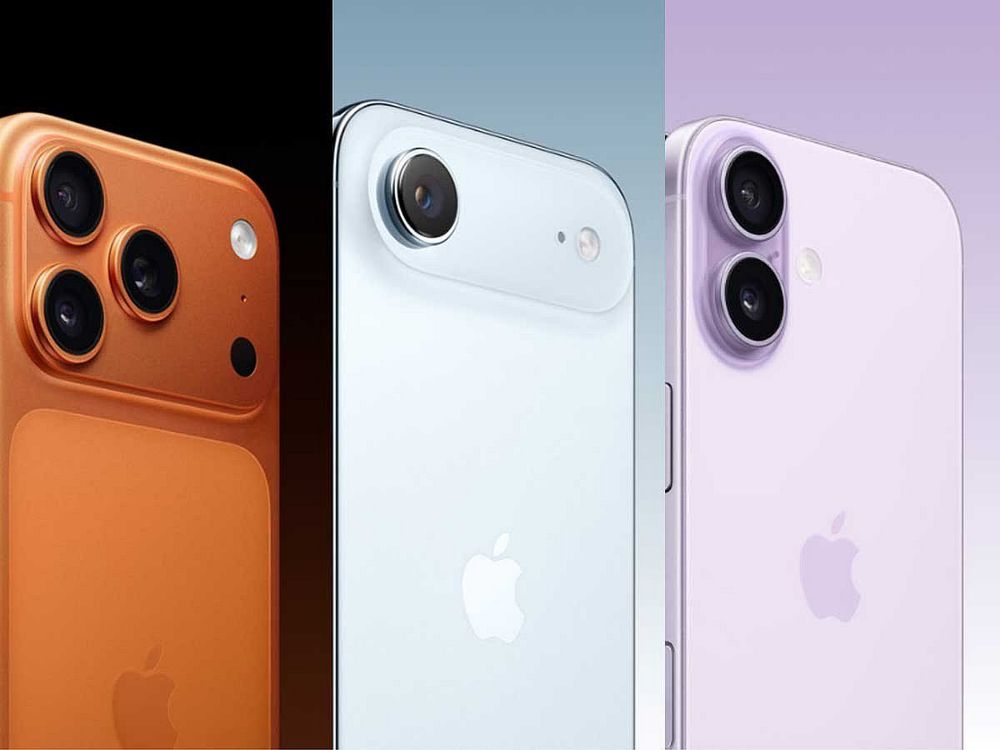
Colour options have generated similarly conflicting reports. Bloomberg's Mark Gurman, whose Apple coverage has established credibility over time, reported that the company is testing a deep red finish for the Pro models. This initial report then spawned multiple interpretations: purple, burgundy and brown finishes have all been suggested. Gurman later indicated that some of these variations might simply represent different descriptions of the same red shade.
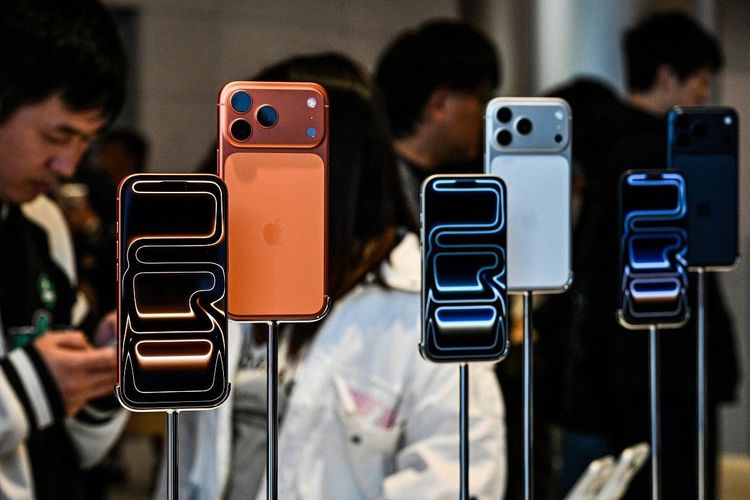
Additional reports have pointed to light blue, dark cherry, dark grey and silver options. A Chinese source has claimed that black may be dropped from the lineup, which would mark the second consecutive year without this traditional Pro colour. None of these claims have been confirmed by Apple.
Legal complications surrounding leaks
An unusual element in this year's rumour cycle involves Jon Prosser. In January 2026, Prosser published claims about the iPhone 18 Pro's front camera configuration. He suggested that if Apple relocates Face ID components beneath the display, the selfie camera could move towards the corner of the screen rather than remaining centred.
These claims emerged while Prosser remains involved in ongoing legal proceedings with Apple. In July 2025, the company filed a lawsuit against Prosser and Michael Ramacciotti for alleged misappropriation of trade secrets related to iOS 26, after Prosser published videos showing unreleased features months before Apple's announcement. According to court documents, Ramacciotti allegedly accessed the iPhone of Apple software engineer Ethan Lipnik and showed Prosser a pre-release build of iOS 26 in exchange for payment, which led to Lipnik's termination from the company.
The situation presents a distinctive scenario: someone at the centre of legal action initiated by Apple continues to report on the company's unreleased products, while readers continue to follow these claims.
Testing of under-display technology
Apple is testing under-display Face ID technology that would conceal infrared sensors beneath the OLED screen. This development could reduce the Dynamic Island to a smaller camera cutout or potentially eliminate it entirely in future iPhone models. The technology represents a significant shift in how Apple integrates biometric authentication hardware into the display.
Technical specifications with strong sourcing
Apple is widely expected to transition the Pro lineup to a 2-nanometer A20 chip and introduce its own C2 modem. The move to 2-nanometer manufacturing represents TSMC's shift from FinFET transistors to gate-all-around technology, offering approximately 1.15 times higher transistor density compared to the 3-nanometer process. TSMC began mass production of its N2 process in 2026.
The C2 modem marks a significant departure from Qualcomm hardware, which Apple has used in iPhones since 2011. This represents the culmination of efforts that began when Apple acquired Intel's smartphone modem division in 2019 for $1 billion. The company spent more than six years developing in-house 5G modem technology before shipping its first custom modem, the C1, in the iPhone 16e in early 2025. Built on TSMC's 4-nanometer process, the C2 modem is expected to support mmWave 5G, deliver download speeds between 6 and 10 Gbps, and offer improved energy efficiency compared to the first-generation C1.
Information assembled from fragments
The pattern across this entire cycle remains consistent: no single leak represents a complete picture of the finished device. Each claim originates from a different point in the supply chain—a chip roadmap, a case manufacturer's mould, a factory contact, or a social media post about translucent sections of ceramic shield on the rear glass, a detail that has not been fully explained.
Based on Apple's historical release pattern, which saw the iPhone 17 lineup announced on 9 September 2025 with pre-orders beginning on 12 September and retail availability starting on 19 September, the company is expected to follow a similar timeline for the iPhone 18 series. By the time Apple holds its launch event, the announcement for many observers may not constitute entirely new information, but rather confirmation or correction of a device that has spent months being pieced together from scattered supply-chain reports.