Trump administration expands immigration crackdown to legal entry pathways
The U.S. government has paused immigrant visa processing and plans to revoke up to 200,000 business and tourism visas, marking a significant expansion of enforcement beyond illegal border crossings to target legal immigration channels.
US immigration crackdown expands — now covers people entering legally
The Trump administration has expanded its immigration enforcement strategy beyond irregular border crossings to include sweeping restrictions on people entering the United States through legal channels, affecting hundreds of thousands of visa holders and applicants.
The State Department has temporarily halted all immigrant visa applications while briefing consular staff worldwide on new policies designed to exclude individuals deemed potential public burdens. The administration is simultaneously preparing to revoke business and tourism visas for up to 200,000 foreigners who have applied for asylum, a move that would constitute the largest single mass visa revocation in U.S. history.
Public charge rule reshapes family immigration
The pause in immigrant visa processing centers on implementation of stricter public charge requirements. U.S. Citizenship and Immigration Services has revived rules that could deny green cards to immigrants using public benefits including food stamps, Medicaid and housing vouchers. The new public charge rule takes effect on September 18, 2026, applying to green card applications postmarked or submitted electronically on or after that date.
Family-based immigration, which accounts for approximately two-thirds of all legal permanent immigration to the United States, faces particular disruption. The temporary processing halt primarily affects those seeking entry on family grounds, including parents, spouses, children and siblings of U.S. citizens. More than 4 million applicants were already on the State Department's immigrant visa waiting list as of November 2023, with over 3.8 million being family-sponsored cases.
A State Department official, speaking on condition of anonymity, said the pause addresses questions from consular officers about the new regulations. The suspension began in early August and is expected to end by mid-September, with affected applicants receiving rescheduled interviews for September through November. Family-sponsored preference visas are capped at 226,000 annually under limits Congress established in 1990.
Historical precedent suggests the policy will have ripple effects beyond visa processing. During the first Trump administration's public charge rule in 2019, 31 percent of adults in immigrant families where at least one member lacked legal permanent residency avoided enrolling in non-cash benefit programs like Medicaid due to fears about jeopardizing their immigration status.
Mass visa revocations target asylum seekers
The planned revocation of B1 and B2 visas represents an unprecedented enforcement action. B1 visas are issued for business trips, while B2 visas cover tourism, family visits and medical care. The revocations will affect visas issued between 2016 and 2026 to individuals who have sought or are seeking asylum. Current B1 and B2 visa applicants must affirm they will not apply for asylum and demonstrate intent to return home.
The State Department is expected to announce the revocations in coming weeks, coordinating with the Department of Homeland Security. However, immigration experts note the measure will have limited practical impact on those already in the United States with pending asylum claims, as their legal status depends on open asylum cases rather than expired tourist visas.
As of June 2026, more than 2.3 million immigrants with formal asylum applications were waiting for hearings or decisions in Immigration Court, part of a total backlog exceeding 3.1 million cases. Asylum claims can take years to adjudicate, far exceeding the roughly six-month stays permitted under business and tourism visas. In July 2026, USCIS announced rule changes allowing asylum officers to refer applications directly to Immigration Judges without interviews, aiming to reduce processing delays.
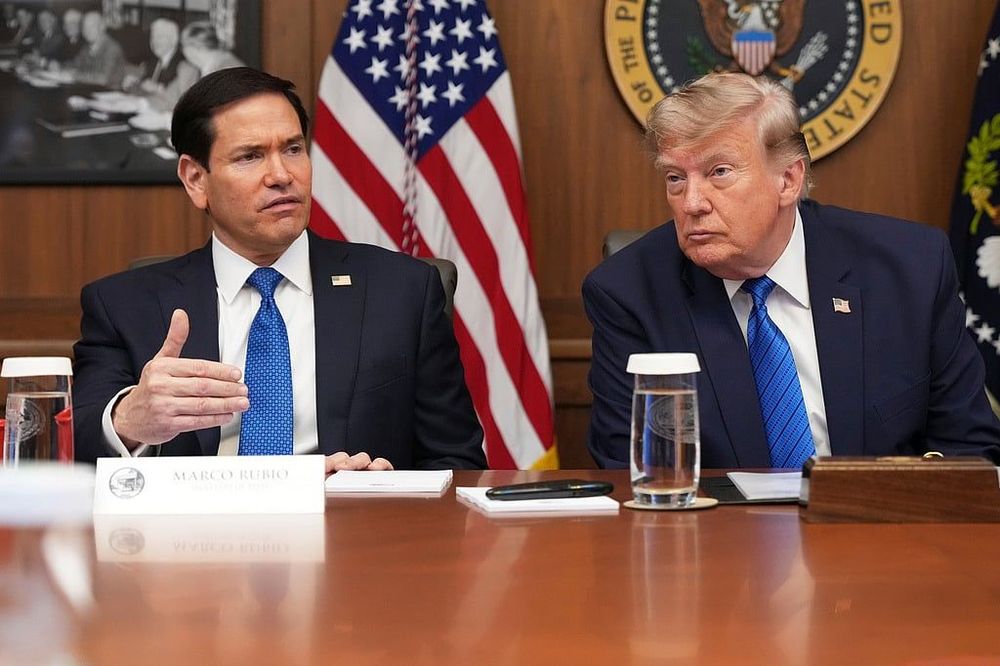
Christopher Landau, a deputy secretary of state, defended the approach.
People in the U.S. and all over the world are fed up with bogus asylum claims. Asylum isn't supposed to be a loophole to circumvent immigration laws.
Julia Gelatt, associate director of the U.S. immigration policy program at the Migration Policy Institute, identified a unifying theme behind the policies.
The thing linking them is a general philosophy that immigration is bad for the United States and that the Trump administration is looking for all of the ways it can to button down our immigration system to allow in fewer people.
Gelatt noted that rescheduling visa appointments presents significant challenges for applicants, as interview slots are difficult to secure. She also predicted legal challenges if the immigrant visa pause extends beyond the announced timeframe, citing a recent court decision that struck down a policy halting visa issuance to immigrants from 75 countries.
The National Visa Center currently faces an 18-day processing lag, working on cases received from USCIS on August 6 as of August 24, 2026. Worker visa applications with employer sponsorship remain unaffected by the pause, as applicants can demonstrate earnings and avoid public charge concerns.