Iran's Revolutionary Guards strike oil tankers and US vessels in Strait of Hormuz escalation
The United States destroyed three Iranian oil tankers after missile attacks on naval vessels, while Iran's Revolutionary Guards targeted US-linked ships in the strategic waterway, marking a dangerous escalation in the six-month conflict.
Iran's Revolutionary Guards strike oil tankers and US vessels in Strait of Hormuz escalation
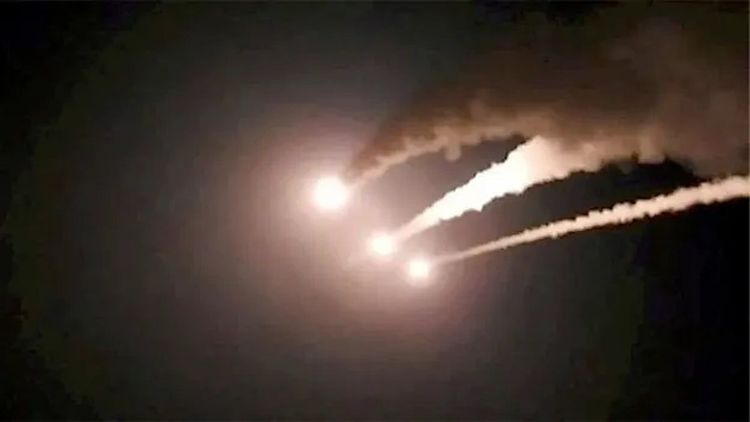
The United States destroyed three Iranian oil tankers on Saturday following attempted missile attacks on American naval vessels, with Iran's Revolutionary Guards responding by targeting US-linked ships in the Strait of Hormuz. The exchange marks a significant escalation in the six-month conflict that has paralyzed one of the world's most critical energy chokepoints.
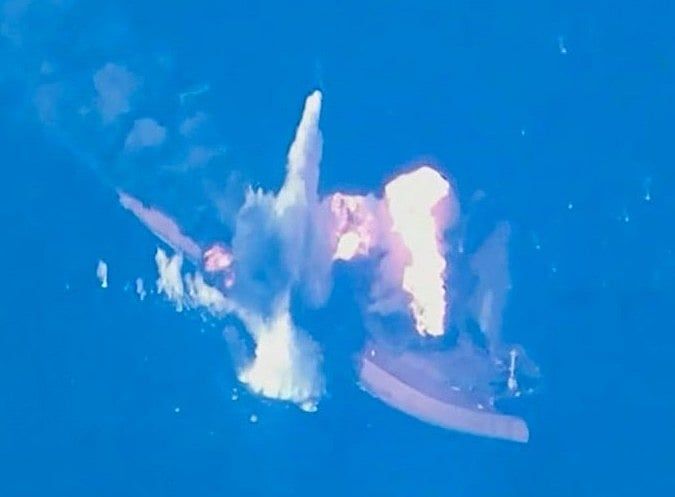
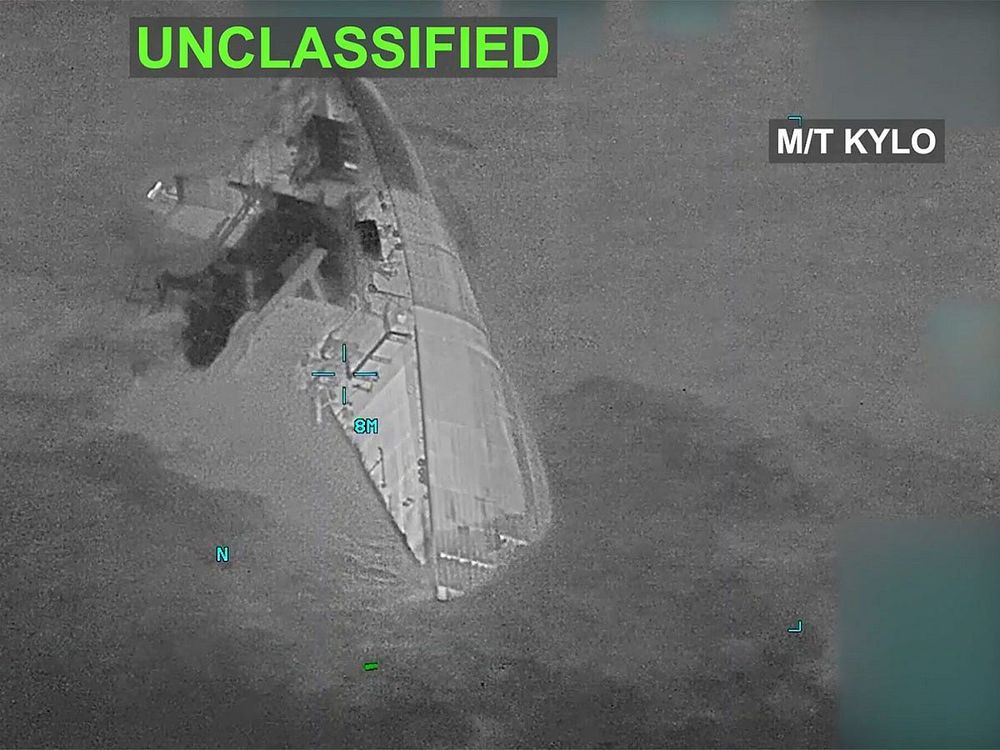
US Central Command announced that the M/T Kylo sank in the Gulf of Oman following what it described as a precision operation. In a post on social media platform X, CENTCOM said the tanker had "joined Iran's navy at the bottom of the sea" and shared video footage showing a vessel engulfed in flames before disappearing beneath the waves.
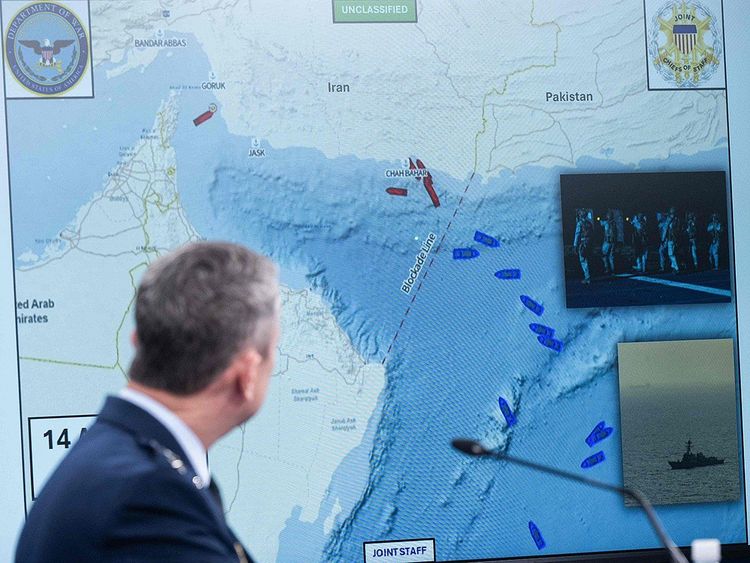
The clashes come as Washington maintains its counter-blockade of Iranian ports while Tehran continues its stranglehold on the strait, a waterway just 33 kilometers wide at its narrowest point through which approximately 20 million barrels of oil transit daily. The strategic passage handles roughly one-fifth of global petroleum consumption, making any disruption a matter of international concern.
Deadlock enters seventh month
The latest military action follows a week of renewed hostilities after months of stalemate. The conflict, which began on February 28 with Operation Epic Fury, has seen periods of intense fighting followed by attempted ceasefires. A truce collapsed on July 8 when Iran initiated attacks on commercial vessels transiting the strait.
Since the US reinstated its naval blockade on July 14, Iran's oil exports have plummeted dramatically. The country's crude loadings fell from approximately 2 million barrels per day in March to between 220,000 and 255,000 barrels per day in August, representing a decline of nearly 90 percent over five months.
The economic pressure has taken a severe toll on Iran's economy. The International Monetary Fund estimates the country's inflation rate at nearly 70 percent in 2026, making it the world's third-highest after Venezuela and Sudan.
Dual pressure campaign
Beyond military operations, the United States has intensified its economic warfare strategy. Washington announced new sanctions on entities with financial links to Iran, seeking to compound the pressure from the naval blockade and force Tehran into submission.
The Revolutionary Guards Navy, comprising approximately 20,000 personnel operating 1,500 boats and fast attack craft, has employed asymmetric warfare tactics including swarm attacks with small, rapid vessels. These tactics exploit the narrow shipping lanes in the strait, where actual navigable channels for oil tankers span just a few kilometers across.
Regional impact
The conflict's ripple effects extend beyond the immediate combatants. On Saturday, a separate incident saw at least 11 people killed and seven wounded when a fuel tanker exploded in a traffic accident in western Iran's Kurdestan province. The blast, which occurred on an intercity road between Sanandaj and Hamedan counties, caused several nearby vehicles to catch fire.
As rescue operations continued at the scene, the incident underscored the mounting pressures on Iran's domestic infrastructure amid the prolonged conflict and economic strain.
The naval confrontations show no signs of abating, with both sides demonstrating willingness to escalate despite the economic and human costs. The United States has conducted multiple strikes in recent weeks while maintaining its blockade operations, while Iran continues to challenge American naval presence in waters it considers within its sphere of influence.