US strikes on Iranian tankers escalate struggle for control of Strait of Hormuz
American attack on three oil carriers prompts Iranian retaliation against six vessels, threatening fragile recovery in oil flows through strategic waterway that handles a fifth of global petroleum consumption.
US strikes on Iranian tankers escalate struggle for control of Strait of Hormuz
The confrontation over the Strait of Hormuz entered a more volatile phase on Saturday after the United States struck three Iranian oil tankers and Tehran responded with claimed attacks on six vessels, threatening a fragile recovery in traffic through the narrow passage that carries approximately 20 million barrels of oil daily—roughly one-fifth of the world's petroleum consumption.
The exchange marks an escalation in a six-month conflict that has transformed the 21-mile-wide waterway at its narrowest point into a contested corridor where Washington and Tehran are locked in a battle over who controls passage through the strait that handles about a quarter of global seaborne oil trade.
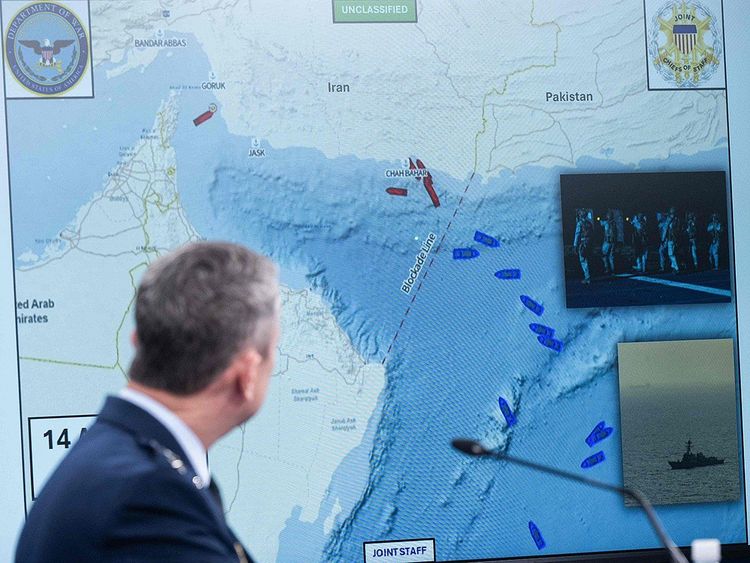
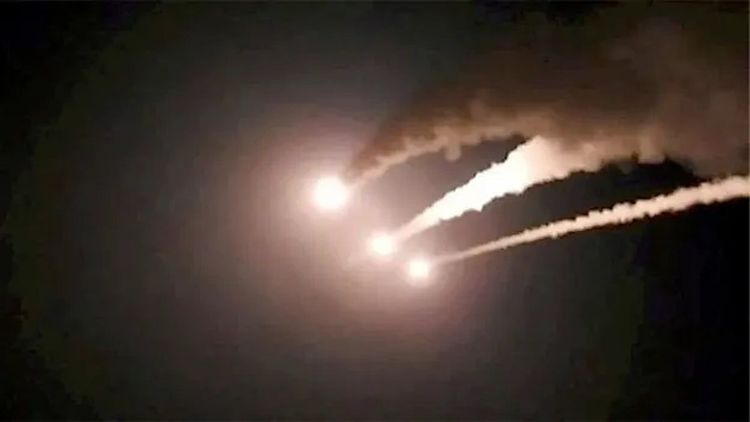
The latest strikes follow Iranian ballistic missile attacks on a US aircraft carrier and guided-missile destroyer. Both American warships evaded the incoming fire before US forces retaliated against Iranian crude carriers, according to US Central Command.
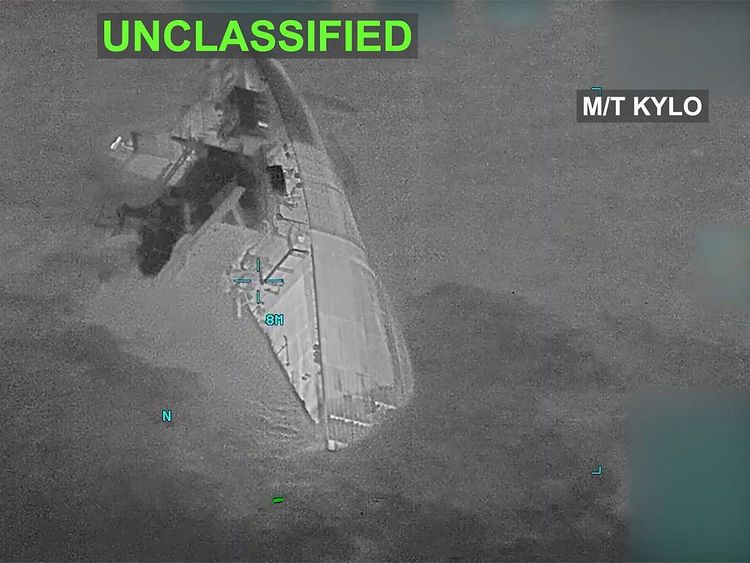
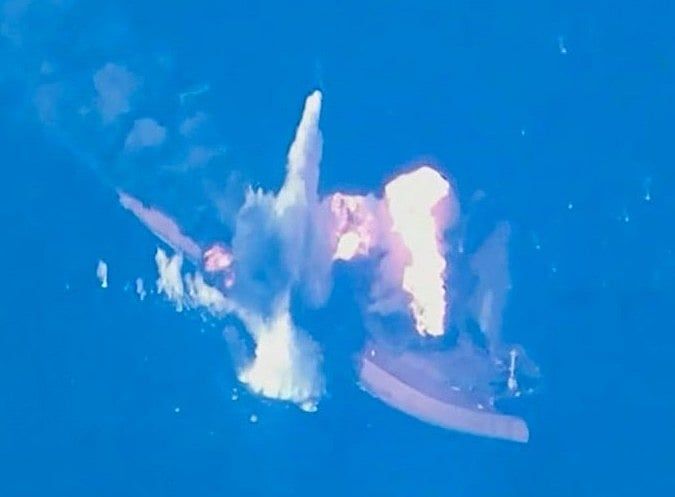
Two vessels—the Downy positioned off Kharg Island and Stark 1 near Jask—were permanently disabled, while the unladen Kylo was completely destroyed outside the Arabian Gulf, CENTCOM reported.
If you shoot at two of our ships, we will impose an even higher economic cost—taking out three of yours
Admiral Brad Cooper, who has commanded US Central Command since 2025 after previously leading Naval Forces Central Command and the Fifth Fleet, articulated Washington's calculus in stark terms.
Hours after the American strikes, Iran's Revolutionary Guards claimed they had targeted six vessels—three oil tankers using what Tehran described as an unauthorized route through Hormuz and three vessels said to be affiliated with the United States elsewhere. The Guards warned other ships against using routes not approved by Tehran. There was no immediate independent confirmation of the Iranian claims.
Iran's military separately warned that attacks on US naval vessels could become more severe and expand if Washington continued what Tehran characterizes as harassment of Iranian shipping and a naval blockade.
Strategic chokepoint at risk
The escalation comes as oil flows through the strait have partially recovered from the severe disruption that followed the outbreak of conflict earlier this year. Before hostilities began, approximately 20.9 million barrels per day moved through Hormuz in the first half of 2025. When the war started, about 90 to 95 percent of traffic was diverted as Iran threatened attacks.
Flows have since climbed to around two-thirds of pre-war levels as the United States escorts commercial vessels and attacks Iranian capabilities used to threaten shipping, though Washington has reported much higher volumes on some days.
That recovery remains fragile. Iran continues seeking to dictate which vessels can use Hormuz, and its latest claimed attacks on three tankers traveling on an unauthorized route suggest Tehran is attempting to enforce that position even as US-protected traffic increases.
The strategic importance of maintaining flows through the strait extends far beyond the immediate combatants. Approximately 84 percent of crude oil transiting Hormuz is destined for Asian markets, with China and India alone absorbing roughly 44 percent of all crude exports through the waterway in 2025. Unlike Saudi Arabia and the United Arab Emirates, which have pipelines that can bypass the strait, other major exporters including Iran, Iraq, Kuwait, Qatar and Bahrain rely on Hormuz to deliver the vast majority of their oil exports.
Economic pressure on Iran intensifies
Saturday's strike on the Downy is particularly significant because it brought US military action within striking distance of the heart of Iran's oil export system. Kharg Island, located approximately 25 kilometers off Iran's coast and about 480 kilometers northwest of the Strait of Hormuz, has historically handled 90 to 96 percent of the country's crude exports. The facility has a loading capacity of approximately 7 million barrels per day and storage capacity of about 30 million barrels.
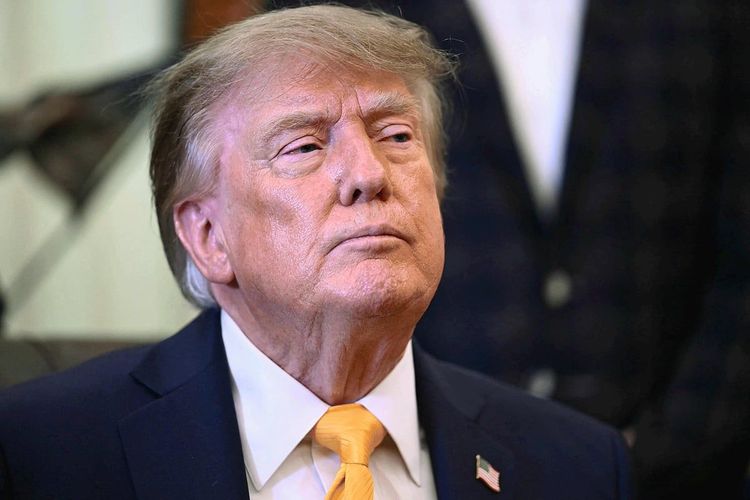
US forces have previously struck military targets at Kharg while leaving its principal oil facilities untouched, despite President Donald Trump's repeated threats involving the island. Saturday's attack targeted a tanker rather than the terminals, storage tanks or pipelines that are crucial to Iran's ability to earn oil revenue.
But the strike demonstrated how easily further retaliation could move closer to infrastructure that Tehran depends on to finance the conflict.
US Defense Secretary Pete Hegseth, who has served in the post since January 25, 2025, after being nominated by President Trump, warned Saturday that Washington would destroy and sink Iranian oil tankers if Tehran continued firing on US Navy vessels.
The threat potentially exposes one of Iran's remaining economic lifelines. More than 50 Iranian tankers are in the Arabian Gulf and nearby Gulf of Oman, according to ship-tracking services, including nearly 20 anchored near Kharg Island. Many of those near Kharg are believed to be laden with crude but unable to leave the Gulf because of US pressure.
Calculated warnings before strikes
Washington appeared intent on separating its attack on the tankers from harm to their crews. Audio captured a US military aircraft warning the crew of the Stark 1 before the strike, giving them 10 minutes to clear the stern of the vessel. A later warning instructed them to get into lifeboats and abandon the ship. Iranian media said there were no casualties in the attack near Kharg Island.
Dangerous dynamics ahead
The confrontation now presents both sides with difficult choices. Iran's leverage over Hormuz diminishes if increasing numbers of vessels can pass through under US protection. But attempting to reassert that leverage by attacking American warships carries a clearly stated price—the loss of more oil tankers from a fleet Tehran depends on for revenue.
Tehran does not need to sink an American aircraft carrier to disrupt Washington's strategy in Hormuz. Sustained attacks on naval escorts could force US ships into repeated defensive operations and make commercial operators more wary of the route, even if Iran fails to inflict serious damage.
But a successful Iranian strike that seriously damaged a US warship—particularly one that killed American personnel—could trigger a much larger response and put more of Iran's military and oil assets at risk.
Washington faces the opposite challenge: keeping more ships moving through Hormuz without allowing its effort to protect the waterway to turn into an escalating ship-for-ship war that further destabilizes flows through a passage that carries oil equivalent to 38 percent from Saudi Arabia alone, at approximately 5.5 million barrels per day.
Oil is flowing again through the strait, aided by American military escorts. But with Washington now targeting Iran's oil fleet and Tehran claiming attacks on ships using routes it has not approved, the battle over who controls this vital waterway has entered a phase where the risks to global energy supplies are growing alongside the military confrontation.