UAE school lunchboxes: How extreme heat puts children's food safety at risk
As schools reopen with temperatures exceeding 40°C, health experts warn that perishable foods in children's lunchboxes can become unsafe within hours without proper cooling. Parents need ice packs, not just insulated bags, to protect their children.
UAE school lunchboxes: How extreme heat puts children's food safety at risk
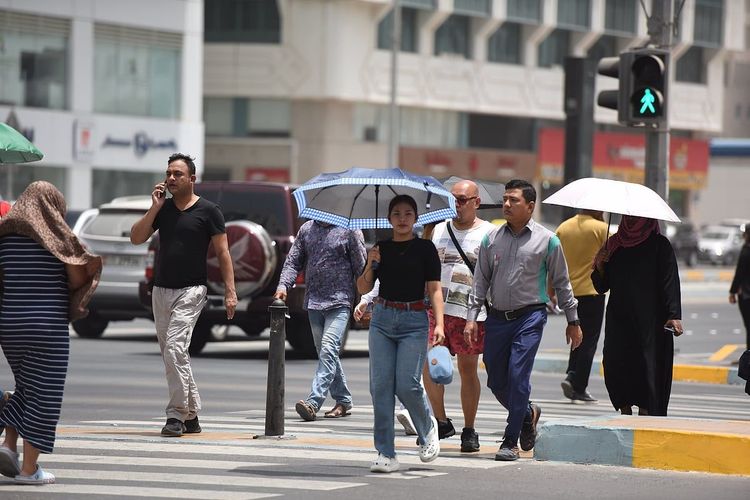
As UAE schools opened their doors on August 31 for the 2026-2027 academic year, parents across the country resumed the familiar morning ritual of packing school lunches. But in a climate where daytime temperatures routinely climb above 40°C, that cheese sandwich or yoghurt pot prepared at 6am may become a health hazard by lunchtime.
The challenge isn't what goes into the lunchbox, but what happens to it over the hours between kitchen and classroom. In August 2026, UAE temperatures have been ranging from 39°C to 43°C during the day, with some areas reaching even higher. Under these conditions, food that starts the day perfectly fresh can enter dangerous territory surprisingly quickly.
Why young children face greater risks
The stakes are particularly high for young children. According to the World Health Organization, children under five face almost three times the risk of illness from unsafe food compared to older children and adults. Despite representing just 9 percent of the global population, young children account for nearly one third of all foodborne disease cases worldwide.
In the Middle East and North Africa region, more than 100 million people fall ill from foodborne diseases annually, with 32 million of those cases involving children under five. The region carries the third highest burden of foodborne diseases per population globally, trailing only Africa and South-East Asia.
Ruba Elhourani, Clinical Dietician and Head of Nutrition Department at RAK Hospital, explains that perishable foods enter the danger zone rapidly in hot conditions. Food safety guidelines recommend keeping perishable items below 5°C and above 60°C, with a maximum exposure time of two hours in the danger zone. When temperatures exceed 32°C, that window shrinks to just one hour.
The science behind this urgency is stark: bacteria can double in number every 20 minutes when food remains in the temperature danger zone between 4°C and 60°C. This means a small amount of harmful bacteria can multiply to illness-causing levels within a few hours.
The insulation illusion
Many parents believe an insulated lunch bag provides sufficient protection, but insulation alone merely slows temperature change rather than actively cooling food. In UAE conditions, Elhourani recommends using at least one or two frozen ice packs or frozen water bottles alongside an insulated bag to keep food below 5°C until lunchtime.
Dr Shruthi Punnapu, Specialist Paediatrician at Medcare Women & Children Hospital, emphasises that relying solely on insulation may prove insufficient when lunch is packed early and eaten hours later. She advises keeping lunch bags away from direct sunlight and other heat sources whenever possible.
Foods requiring particular attention include cooked chicken, turkey and other meats, eggs, dairy products such as yoghurt, labneh and cheese, tuna and seafood, mayonnaise-containing sandwiches, and cooked rice and pasta salads. These items contain the moisture and nutrients that allow bacteria such as Salmonella, Staphylococcus aureus and Bacillus cereus to thrive when temperature control fails.
When food looks fine but isn't
Dr Punnapu highlights a dangerous misconception: assuming food remains safe because it looks or smells normal. Harmful bacteria don't always alter a food's appearance, taste or odour. If food has spent several hours at warm temperatures, discarding it proves safer than relying on sensory checks.
The symptoms of foodborne illness include nausea, vomiting, diarrhoea, abdominal cramps, fever and appetite loss. Parents should watch for signs of dehydration such as reduced urination, dry mouth, unusual tiredness or dizziness. Persistent vomiting or diarrhoea, blood in stool, severe abdominal pain, high fever or worsening symptoms require immediate medical attention.
Children prove particularly vulnerable because dehydration can develop more rapidly in younger bodies, and complications from foodborne illness can escalate quickly in those under five.
Building a safe, nutritious lunchbox
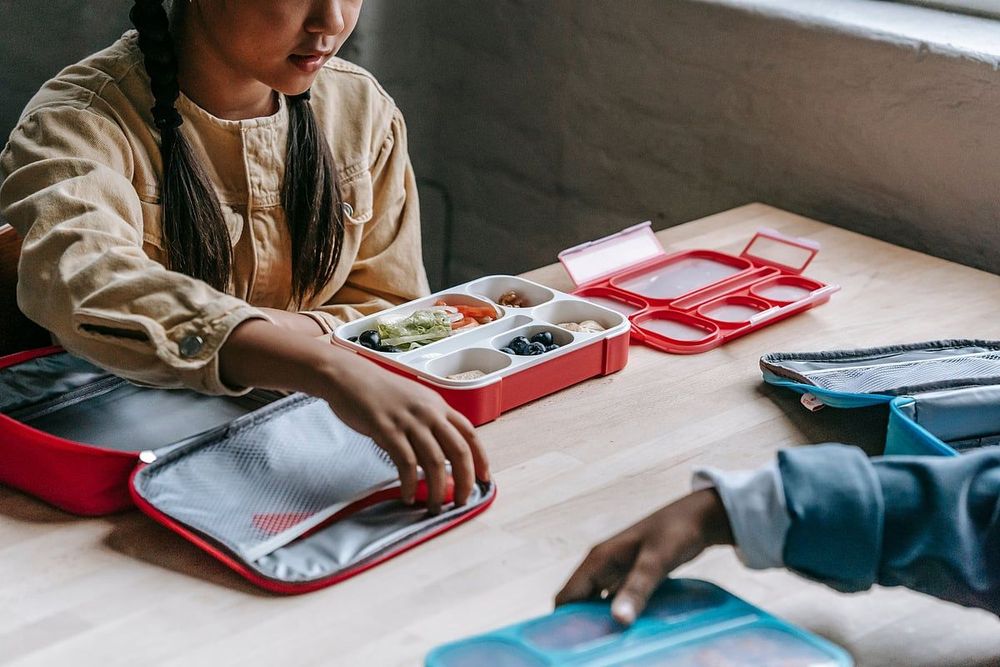
The heat doesn't mean eliminating fresh, protein-rich foods from school lunches. Oz Erbas Soydaner, Child Nutritionist and Organic Foods Cafe Ambassador, maintains that eggs, chicken, cheese and yoghurt can safely feature in lunchboxes when packed fresh and kept properly chilled.
She recommends a balanced approach: roughly 35 percent carbohydrates, 20 percent protein, 40 percent fruits and vegetables, and 5 percent healthy fats, with room for a small treat. Whole or minimally processed carbohydrates such as sweet potato, wholegrain bread, brown rice and corn should form the foundation.
For families unable to guarantee adequate cooling, less perishable alternatives work well. Legumes including chickpeas, beans and lentils provide protein, fibre and micronutrients while being more heat-resilient than many animal proteins. Tofu and seeds such as pumpkin or sunflower also offer nutritious options.
Soydaner advises making water the default drink rather than packaged juices, which often contain significant free sugars. Whole fruit proves preferable to juice, with freshly squeezed juice reserved for occasional treats.
Beyond the food itself
Food safety extends to the containers carrying it. Lunchboxes, water bottles and reusable containers can harbour bacteria if food residue and moisture accumulate, particularly around seals, lids, straws and corners.
Elhourani recommends washing these items daily with hot water and dish soap, paying close attention to moisture-collecting areas, and allowing complete air-drying before storage. Items with cracks, damaged seals or persistent odours that resist cleaning should be replaced.
Parents should also wash hands before food preparation and use separate utensils for raw and cooked foods to prevent cross-contamination.
Common mistakes to avoid
The most frequent errors prove remarkably ordinary: sending perishable food without ice packs, packing food while still warm, preparing meals too far in advance, neglecting lunchbox hygiene, and trusting that normal-looking food remains safe.
Soydaner also cautions against another pitfall: assuming that brightly packaged products marketed to children offer superior nutrition. Many crisps, crackers and cereal bars branded for young consumers contain high levels of refined ingredients despite their appealing packaging.
The approach to school lunches needn't be complicated. Soydaner's nutritional guidelines are straightforward: maintain balance, avoid overthinking, and default to water. Health experts add a crucial fourth principle: keep perishable food cold from refrigerator to lunchtime.
For UAE parents preparing for another school year, the message is clear. A nutritious lunch remains nutritious only if it stays safe to eat. In a climate where temperatures regularly exceed 40°C, that requires more than good ingredients. It requires ice packs, proper containers, consistent hygiene and an understanding that in extreme heat, food safety rules become even more critical.