Iranian rial crashes past 2 million per dollar as sanctions pressure mounts
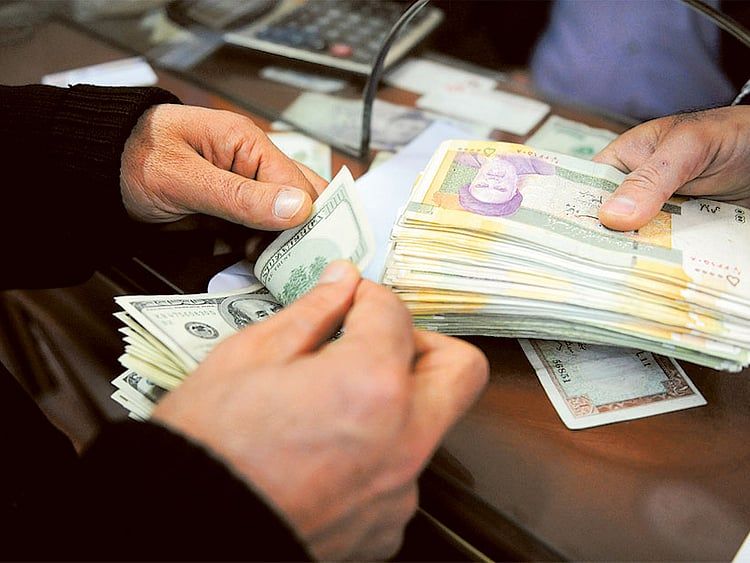
Iran's currency hit a historic low on Sunday as the US dollar topped 2 million rials on the open market, reflecting deepening economic distress amid stalled diplomacy and tightening American sanctions.
Iran currency plunges to record low as US$ breaks 2 million rials on open market
The Iranian rial collapsed to an unprecedented low on Sunday, with the US dollar surpassing 2 million rials on the open market for the first time as Iran confronts escalating American sanctions and the breakdown of diplomatic efforts with Washington.
The greenback traded above 200,000 tomans in Tehran's free market, according to currency-tracking channels. One toman equals 10 rials, placing the exchange rate above the 2 million rial threshold, as reported by news agency Shafaq.
The rial had traded at approximately 1.865 million per dollar at the start of the previous week, meaning the dollar gained more than 7 per cent against the Iranian currency in less than a week, according to market figures cited by regional news outlets. The currency has suffered a staggering depreciation of approximately 96.82 per cent in 2026, marking one of the sharpest declines in recent Iranian history.
Diplomatic breakdown and sanctions escalation
The record low followed the expiry of a 60-day window established under a June 17 memorandum between the United States and Iran without a broader agreement on Tehran's nuclear programme and sanctions relief. The 14-point framework agreement had provided for the reopening of the Strait of Hormuz toll-free for 60 days and set a negotiation window for a final accord that could have included sanctions relief, oil-export waivers and access to frozen Iranian funds worth at least $300 billion for reconstruction and economic development.
Instead, US pressure has intensified. The Trump administration has reimposed a naval blockade of Iranian ports and rescinded sanctions waivers related to Iranian oil, while officials have indicated additional measures are under consideration. The blockade, first imposed on April 13, 2026, then lifted and reimposed in July, has severely disrupted Iran's access to foreign currency and oil revenues.
Iran has maintained it will keep the Strait of Hormuz closed until Washington lifts the blockade, removes oil sanctions and releases frozen Iranian assets. The strait, which typically carries approximately 25 per cent of the world's seaborne oil trade and 20 per cent of global liquefied natural gas shipments under normal conditions, has seen commercial shipping reduced to approximately 10 vessels per day as of late July, compared to a pre-crisis baseline of 88 to 130 vessels daily. Iran closed the strait to normal commercial traffic on February 28, 2026, after US and Israeli forces struck Iran.
Economic pain and volatility
Iran's free-market exchange rate is closely monitored because official currency markets are heavily managed by the government and do not necessarily reflect the price businesses and households pay to obtain dollars. The rial had experienced significant volatility even before this week's plunge, with the currency increasing approximately 21.37 per cent over the past six months before the recent collapse.
A weaker rial raises the local-currency cost of imported goods, including food, medicines, industrial materials and capital equipment. With Iran's inflation rate standing at approximately 40 per cent in 2026, the currency depreciation compounds the economic hardship facing ordinary Iranians. The combination of high inflation and currency collapse intensifies demand for dollars, gold and other assets viewed by Iranians as a hedge against further depreciation.
Iran's government has signalled a possible fuel-price increase as it confronts rising costs and economic pressure. Food and other consumer prices already have been rising, raising concerns over the potential for renewed public discontent. Ongoing protests that began on December 28, 2025, were triggered by economic issues including currency depreciation, rising inflation and international sanctions, with the unrest continuing into 2026.
Reza Pahlavi, Iran's exiled former crown prince, cited the exchange-rate milestone in a social-media post criticising the Islamic Republic's economic record and calling on Iranians, including state employees, to weaken the government. His comments reflected the political sensitivity of the currency's collapse but did not independently establish the exchange-rate data.
Outlook remains bleak
Whether the rial can recover below the 2 million-per-dollar threshold will depend in part on Iran's access to foreign currency, including oil revenue and frozen assets, as well as any change in the diplomatic confrontation with the United States. Absent a credible path toward sanctions relief or a meaningful improvement in foreign-exchange inflows, the currency remains vulnerable to further losses.
The immediate focus is Washington's expected sanctions announcement Monday and Tehran's response.