Netanyahu and Iran resist Trump's Middle East exit strategy ahead of midterms
As November elections approach, President Trump faces mounting pressure to wind down Middle East conflicts, but Israeli Prime Minister Benjamin Netanyahu's rejection of the Gaza peace plan and Iran's continued leverage over the Strait of Hormuz are complicating his exit strategy.
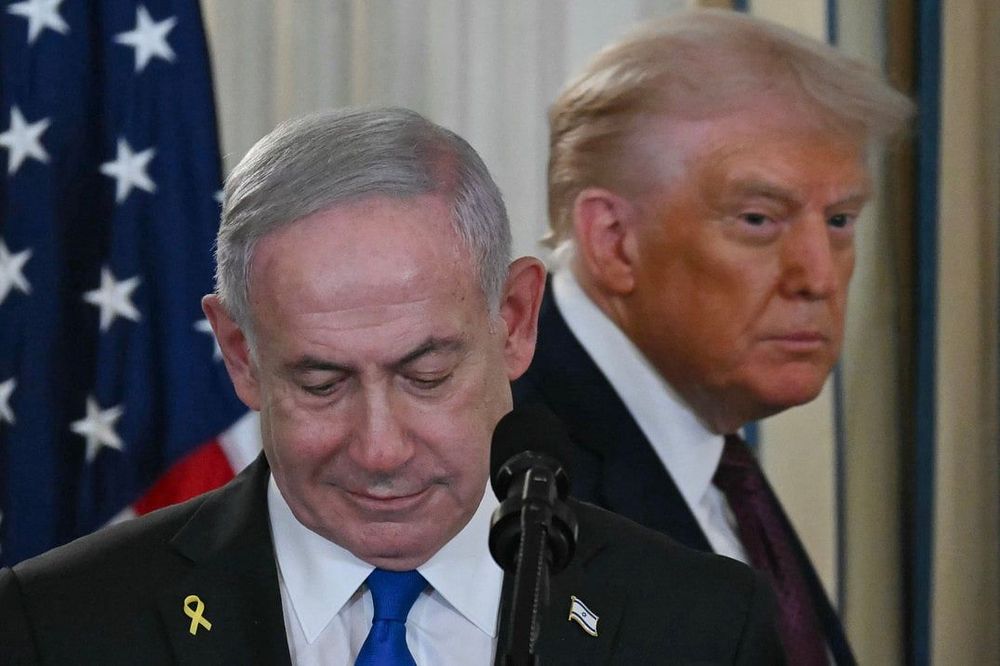
Friend and foe: Netanyahu, Iran complicate Trump's exit from Middle East conflicts
President Donald Trump's efforts to extricate the United States from Middle East entanglements are encountering resistance from two unlikely sources working at cross-purposes: Israel, Washington's closest regional partner, and Iran, its principal adversary.
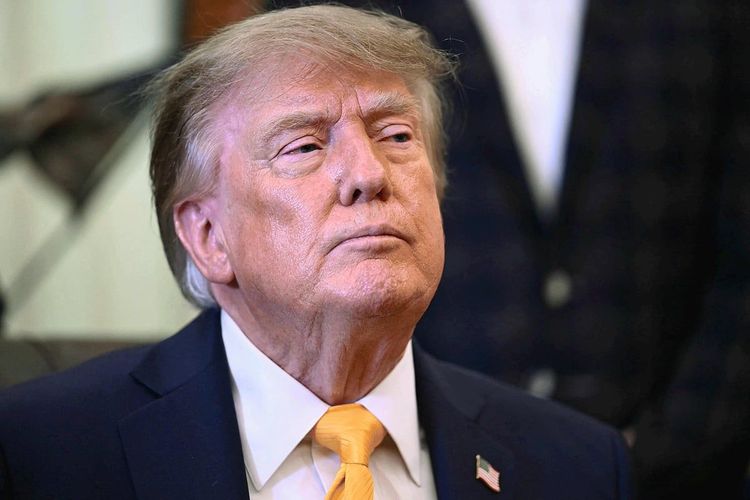
Trump signaled a shift toward economic pressure over military confrontation with Iran this week, describing his approach as "low-keying it" and suggesting sanctions could eventually force Tehran into negotiations. Yet Israeli Prime Minister Benjamin Netanyahu simultaneously delivered a public rebuke of Trump's diplomatic efforts, flatly rejecting the president's 15-point Gaza peace plan.
"I want to be clear here — Israel is ruling out the 15-point document," Netanyahu declared on Sunday, contradicting Trump's characterization of the proposal as a "historic breakthrough" just two weeks earlier.
Electoral pressures mount
The twin challenges arrive as Trump confronts growing political vulnerability ahead of the November 3 midterm elections, when all 435 House seats and 34 Senate seats will be contested. Recent polling shows Democrats leading Republicans 42% to 37% among registered voters, with independents favoring Democrats by 12 percentage points.
The Middle East conflicts have become a domestic political liability. Only 35% of Americans support the war with Iran, while average petrol prices remain above $4 per gallon — more than $1 higher than before the United States and Israel began bombing Iran on February 28. Democrats have edged ahead of Republicans on economic management, a particularly troubling development for Trump with the Strategic Petroleum Reserve depleted to approximately 350 million barrels from over 600 million in 2021, limiting the administration's ability to cushion domestic fuel prices.
"Reality is slapping him in the face," Brian Katulis, a senior fellow at the Middle East Institute, told The New York Times.
Iran maintains leverage through Hormuz
Trump's stated preference for economic warfare over military escalation reflects Iran's continued control over a critical vulnerability: the Strait of Hormuz. The waterway, just 21 miles wide at its narrowest point, handles approximately 21% of global petroleum consumption.
"We are just watching Iran with its huge inflation and the fact they have no money," Trump said in an interview with Axios on Sunday. "It will work out. It always works out. It's like a chess game."
Iran's economy contracted by an estimated 6-7% in 2025 due to intensified sanctions and conflict disruptions, with inflation exceeding 40%, according to International Monetary Fund assessments. Yet Tehran appears to believe time favors its position. The regime has tied reopening the strait to sweeping demands including sanctions relief, removal of the U.S. naval blockade, and war reparations.
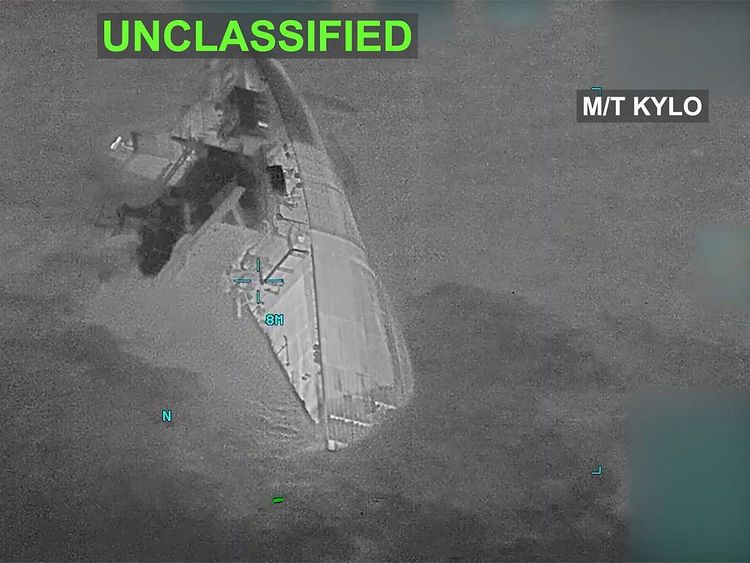
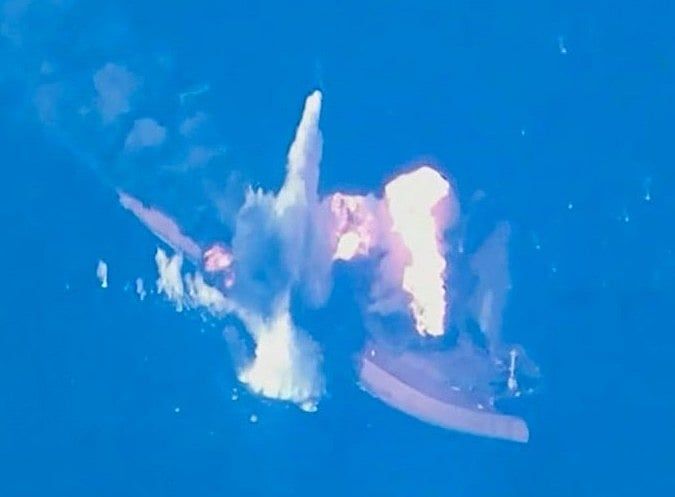
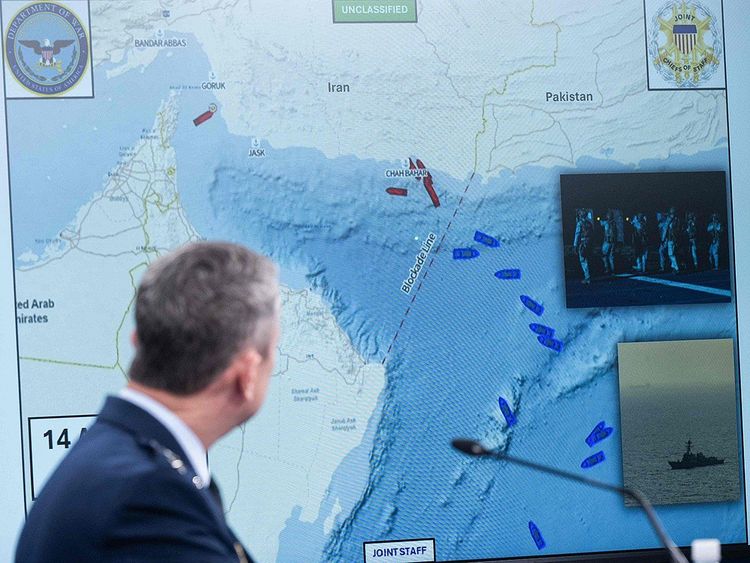
Trump maintains two carrier strike groups in the region — a deployment of approximately 15,000 personnel and 130-140 aircraft — and claims the U.S. Navy has achieved "100%" control of Hormuz. Commercial shipping traffic, however, remains sharply reduced, exposing the gap between Washington's assertions and operational reality.
"These tools are not low-key," said Behnam Ben Taleblu, an Iran expert at the Foundation for Defense of Democracies, a Washington think tank with a hawkish stance on Iran. "Iran is likely not going to take them lying down."
Netanyahu's political calculations
Netanyahu's rejection of the Gaza plan reflects his own electoral timeline. Israel votes in October, before the American midterms, and the prime minister — who has served over 16 years across multiple terms as Israel's longest-serving leader — needs to convince voters, particularly his right-wing base, that he will not compromise security for Washington's diplomatic convenience.
The substantive dispute centers on sequencing. Trump's plan envisions a phased process involving Hamas disarmament and Israeli withdrawal. Netanyahu insists Israeli forces "will not carry out any withdrawal until Hamas is disarmed," including all weaponry. Hamas has governed Gaza since seizing control from Fatah in 2007, making disarmament a complex proposition that involves dismantling not just a militia but a governing authority.
Netanyahu requires 61 seats in the 120-member Knesset to form a government. His willingness to publicly defy Trump may actually strengthen his position with Israeli voters by demonstrating independence from American pressure, even from a friendly administration.
"I don't think the president has very good options," said Suzanne Maloney, an Iran specialist and vice president at the centrist Brookings Institution. "The pressure points for the Iranians are, while real, more endurable and bearable than those that are impacting the U.S. economy and the strategic calculus of the administration."
Trump responded to Iran's compensation demands on Monday by insisting Tehran should pay reparations covering those killed in Iran's "many conflicts" and protesters killed by the regime. The exchange highlighted a fundamental problem: Trump wants economic pressure to produce an Iranian deal and diplomacy to deliver Gaza peace, but neither Iran nor Netanyahu appears willing to follow his timetable.
For a president seeking Middle East exits before voters render judgment in November, the obstacle is no longer simply defeating adversaries. It is persuading both enemies and allies to operate on his political clock.