Strait of Hormuz tensions escalate as Iran declares control over waterway
Iran asserts sole control over the Strait of Hormuz as the UAE condemns a third attack on ADNOC vessels in under a week. Flight disruptions continue amid heightened regional security concerns.
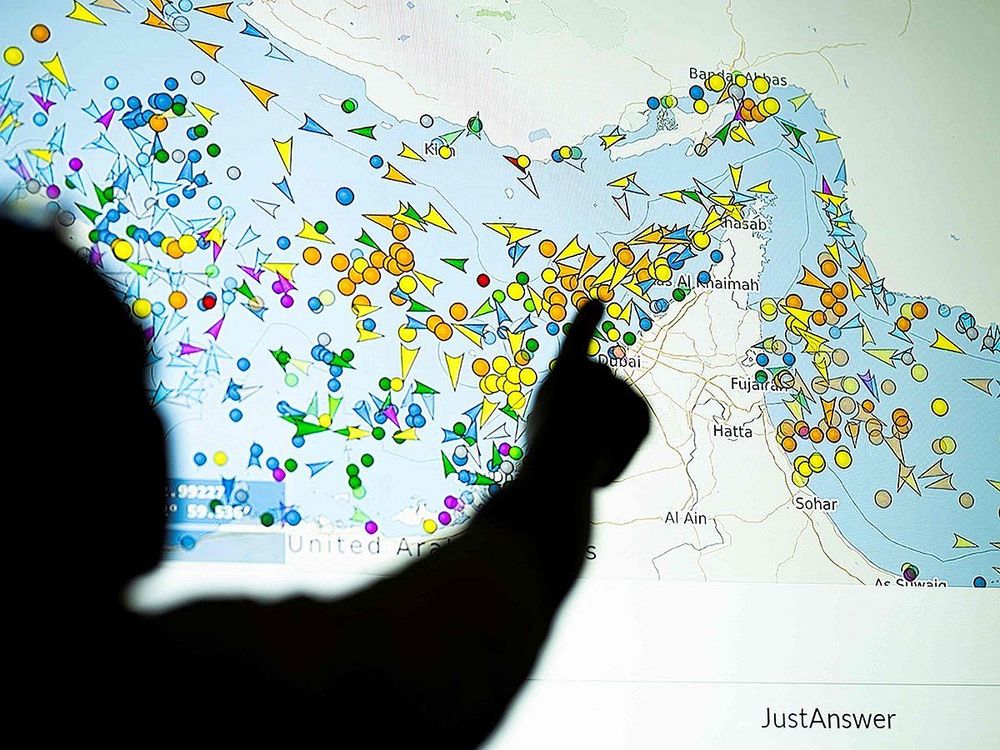
Iran declares control over Strait of Hormuz
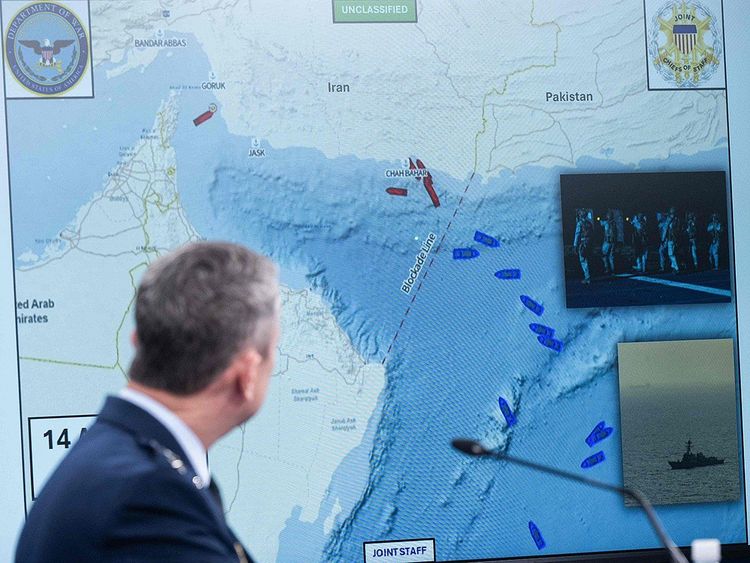
Tensions surrounding the Strait of Hormuz intensified Saturday as Iran declared it would unilaterally control the strategic waterway, while the UAE condemned another attack on a vessel linked to state oil company ADNOC. The escalating conflict has already disrupted UAE flights to Bahrain and Kuwait, with airlines warning passengers of further changes as the security situation develops.
Iranian Deputy Foreign Minister Kazem Gharibabadi said the strait would open and close only under Iran's command, according to China's Xinhua News Agency. The statement came in response to US President Donald Trump's Friday declaration that he would soon claim the waterway as US territory.
The strait serves as a critical artery for global energy supplies, with approximately 34% of global crude oil trade passing through the waterway—nearly 15 million barrels per day, according to the International Energy Agency. The waterway is especially vital for the UAE, with about 96% of the country's liquefied natural gas exports transiting through the strait, representing 19% of global LNG trade.
Third ADNOC vessel attacked
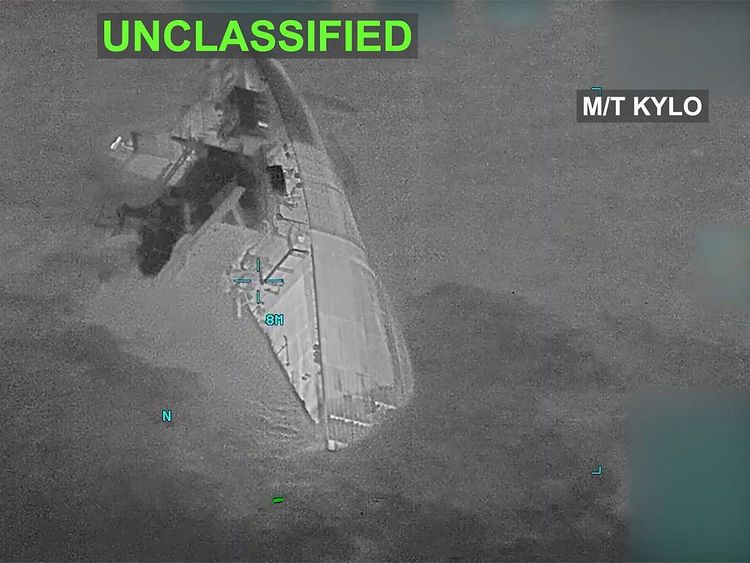
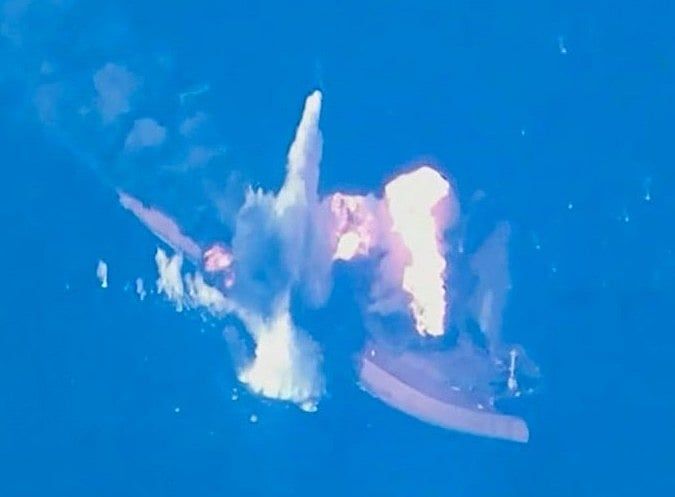
The UAE strongly condemned what it described as an Iranian attack on an ADNOC-affiliated vessel transiting the Strait of Hormuz. No injuries were reported in the incident, which marks the third such attack on ADNOC vessels in less than a week.
Dr Anwar Gargash, Diplomatic Adviser to the UAE President, said repeated attacks on ADNOC vessels would not deter the UAE from its approach of deterrence, diplomacy and adherence to international law. Kuwait's Ministry of Foreign Affairs also condemned the attack, calling it a violation of international law and UN Security Council Resolution 2817.
Resolution 2817, adopted in March with 13 votes in favour and two abstentions from China and Russia, was co-sponsored by an unprecedented 135 UN member states including all 27 EU members. The resolution condemns attacks on commercial vessels and any Iranian actions or threats aimed at closing or obstructing international navigation through the strait.
ADNOC, one of the world's largest energy producers, exports crude oil, natural gas and refined products worldwide, making attacks on its vessels a matter of international concern. China and India, which collectively receive 44% of crude oil exports passing through the strait, face particular vulnerability to any prolonged disruption.
Maritime navigation talks advance
Despite the escalating rhetoric, Iran and Oman have reached an understanding on a maritime navigation map for the strait, Iranian Foreign Ministry spokesman Esmail Baghaei said Saturday. The agreement caps three weeks of talks aimed at establishing safer shipping routes through the contested waterway.
Commercial shipping continued to face risks Saturday, with the UK Maritime Trade Operations agency reporting that a bulk carrier was struck by an unknown projectile while transiting the strait. Over 30,000 vessels pass through the waterway annually under normal conditions, accounting for about 80% of the Gulf region's oil exports.
Regional violence continues
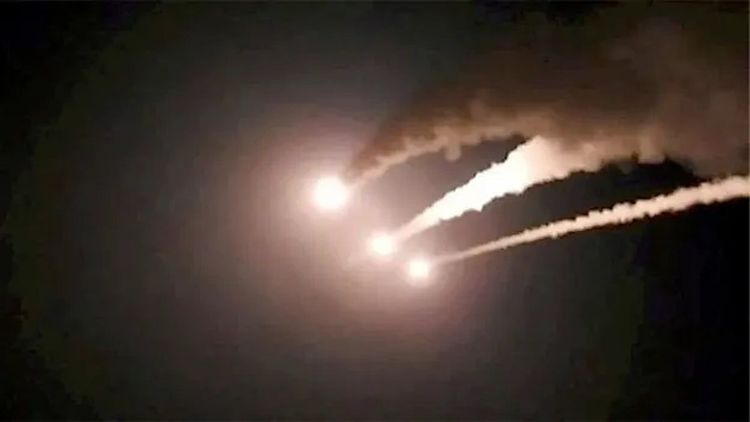
Iran called Saturday for the release of three pilots it says were captured in Qatar during the recent Middle East conflict. In Yemen, one person was killed and eight others injured after the Iran-backed Houthi group fired six ballistic missiles at the Red Sea port of Mocha, according to Yemen's Armed Forces.
In southern Lebanon, an Israeli strike killed seven people early Saturday, Lebanese state media reported—the highest death toll since a lull in fighting between Israel and Hezbollah began in June.
The US aircraft carrier USS Abraham Lincoln is preparing to return to the United States after more than 250 days on deployment, Acting US Navy Secretary Hung Cao said. The carrier's deployment, originally scheduled to end in May, was extended indefinitely due to Middle East operations. The prolonged mission has drawn scrutiny from Congress and sailors' families over reports of low morale and mental health concerns aboard the vessel.
Flight disruptions persist
Travellers flying from the UAE should confirm their flight status directly with their airline before heading to the airport. Most services continue to operate, but carriers have adjusted numerous regional routes, particularly flights connecting the UAE with Bahrain and Kuwait.
Etihad Airways is operating some Abu Dhabi–Bahrain flights as scheduled, while several other services are cancelled through August 21. Emirates has cancelled selected Dubai–Bahrain flights, with the status of some Dubai–Kuwait services subject to change. Air Arabia has cancelled or delayed several flights to Kuwait and Bahrain, with some services yet to depart. Flydubai's regional services continue to operate, though passengers should verify individual flight status before travelling.
Other international carriers are also adjusting or suspending selected regional services as the situation develops. With UAE airports experiencing a busy summer travel period, passengers are advised to allow extra time for check-in, security and immigration, and to monitor airline notifications for last-minute changes.