Iran sets sweeping demands for Hormuz reopening as Netanyahu rejects Gaza plan
Tehran insists on war cessation, sanctions relief and compensation before reopening the Strait of Hormuz, while Israeli PM breaks with Trump over Gaza roadmap amid mounting regional tensions.
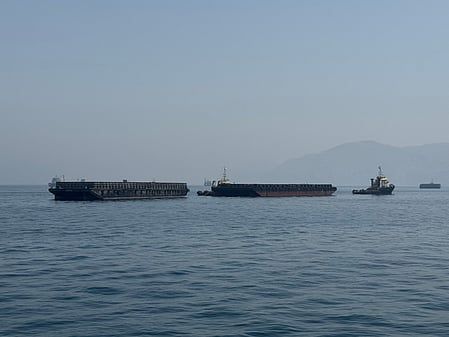
Iran outlines conditions for reopening
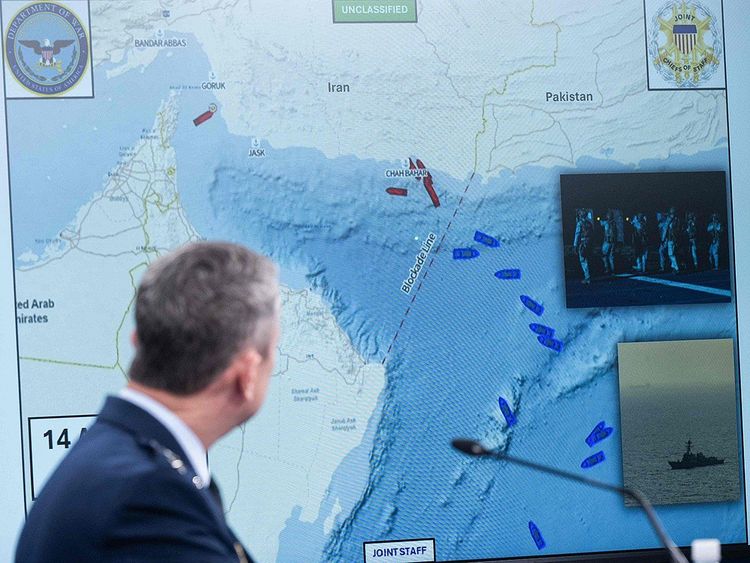
Iran's Revolutionary Guards declared on Sunday that the strategically vital Strait of Hormuz will remain closed until the United States meets a comprehensive list of demands, including an end to military operations, sanctions relief and war compensation. The announcement came as diplomatic efforts mediated by Oman showed progress on managing the waterway, but Tehran made clear that broader concessions are required before commercial shipping can fully resume through the channel that handles nearly 15 million barrels of crude oil per day — roughly 34% of global crude oil trade.
The standoff over the strait, which Iran has blockaded since the US and Israel launched attacks in late February, continued to shape the five-month conflict as of August 9, 2026. The closure has sent fuel prices soaring and disrupted global energy markets, with China, India, Japan and South Korea — which collectively receive approximately 69% of oil flowing through Hormuz — bearing the brunt of the economic impact.
Mohammad Bagher Zolghadr, secretary of Iran's Supreme National Security Council — the country's highest body responsible for formulating national security and defense policy — laid out Tehran's position on Saturday. Iran demands an end to what it calls
war and aggression against Iran and its allies in Lebanon, Palestine, Yemen and Iraq, according to the Tasnim news agency.
The list of conditions also includes lifting the US naval blockade of Iranian ports, ending sanctions, releasing frozen assets and providing compensation for wartime damage. Revolutionary Guards spokesman Hossein Mohebi reinforced the hardline stance on Sunday, telling state television that
the strait is now actually a theatre of war for us and not just a waterway.
Despite the tough rhetoric, Iran acknowledged that negotiations with Oman on new shipping arrangements are advancing. Tehran said Monday it was nearing a final agreement with Muscat on alternative shipping lanes through the strait. Oman, whose territorial waters also encompass part of the Hormuz passage, has historically served as a mediator between Washington and Tehran, maintaining a neutral position in regional conflicts and facilitating indirect negotiations dating back to at least 2019.
Trump signals economic pressure strategy
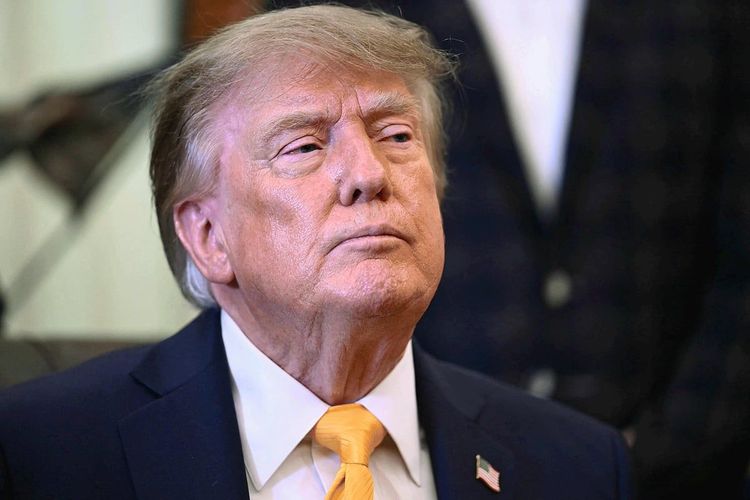
President Donald Trump indicated he is prepared to let economic pressure mount against Iran rather than ordering additional military strikes.
We are low-keying it, Trump told news outlet Axios in a brief phone call on Sunday, according to the publication.
Trump did not express frustration with Iran's delays in reaching an agreement on the strait, Axios reported. The president appeared to back away from recent threats of military action as he pushes for a deal to end the conflict he launched alongside Israel.
We are only semi-negotiating with them. We are just watching Iran with its huge inflation and the fact they have no money, Trump said, according to Axios. He added that falling oil prices mean American consumers are feeling less economic pain from the war, stating:
It will work out. It always works out. It's like a chess game.
Leadership changes in Tehran
In a significant security reshuffle, Iran named Mohsen Rezaei as head of the Supreme National Security Council on Sunday. The 71-year-old commanded the Islamic Revolutionary Guard Corps from 1981 to 1997 — one of the longest tenures in the force's history — leading it through most of the Iran-Iraq War. He also served as vice president for economic affairs from 2021 to 2023 under President Ebrahim Raisi.
Rezaei declared in July that control of the Strait of Hormuz was
more important than dozens of atomic bombs. His predecessor, Zolghadr, who was also a former Guards commander, will now serve as a political adviser to Supreme Leader Ayatollah Mojtaba Khamenei.
In a rare development, Iranian President Masoud Pezeshkian recently met with Khamenei, who has not appeared publicly since assuming the post early in the war. The supreme leader's office said Sunday the two
discussed in detail the country's issues and problems, including
the current military situation and future prospects. Iran's semi-official Mehr News Agency released a brief 12-second video showing Khamenei seated and speaking with officials, though the footage was undated and provided no information about his current health.
Netanyahu breaks with Trump on Gaza
Israeli Prime Minister Benjamin Netanyahu explicitly rejected a US-led Gaza plan endorsed by Hamas, taking fresh distance from Trump as he faces tight elections at home. After a week of escalating criticism, Netanyahu told a cabinet meeting on Sunday:
Israel rejects the 15-point document.
Netanyahu said the Israeli military
will not carry out any withdrawal until Hamas is genuinely disarmed and will continue to thwart threats against our forces and our citizens. He described Trump as
our greatest friend in the White Housebut quickly made clear he was willing to challenge him, saying Israel was raising objections with Washington.
They have ideas; some of them are acceptable to us and some are not, and we know how to stand our ground on these matters, he said.
Egypt's Foreign Minister Badr Abdelatty called for full implementation of the Gaza roadmap, including complete Israeli withdrawal and sustained humanitarian aid delivery, during a phone conversation with US Board of Peace Director-General Nikolay Mladenov.
Regional security realignment
Turkey's foreign minister said Saturday he expected Egypt to join the Mecca Joint Defence Agreement, a trilateral pact signed on August 7, 2026, by Saudi Arabia, Turkey and Pakistan. The agreement, which builds on a September 2025 bilateral strategic defence pact between Saudi Arabia and Pakistan, stipulates that an armed attack on any signatory will be considered an attack on all three.
Turkish Foreign Minister Hakan Fidan told state news agency Anadolu he expected Egypt to become a
natural partner on all issues. Pakistan's Deputy Prime Minister Ishaq Dar emphasized the pact is
purely defensiveand not aimed at any country, adding it remains open to others willing to uphold its principles.
The Pentagon pushed US defence contractors to accelerate weapons production amid concerns over stockpiles depleted during the Iran conflict. A memo from Deputy Defence Secretary Steve Feinberg gave companies 21 days to submit plans for faster deliveries and increased output of critical weapons.
Attacks continue across region
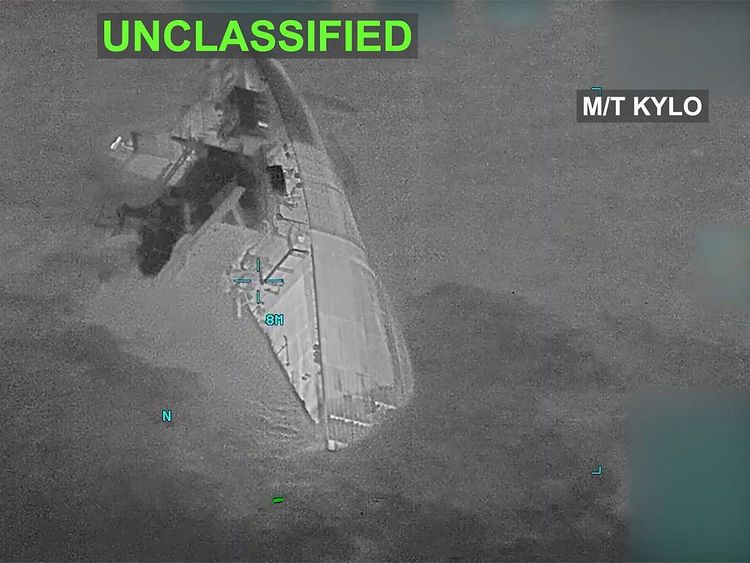
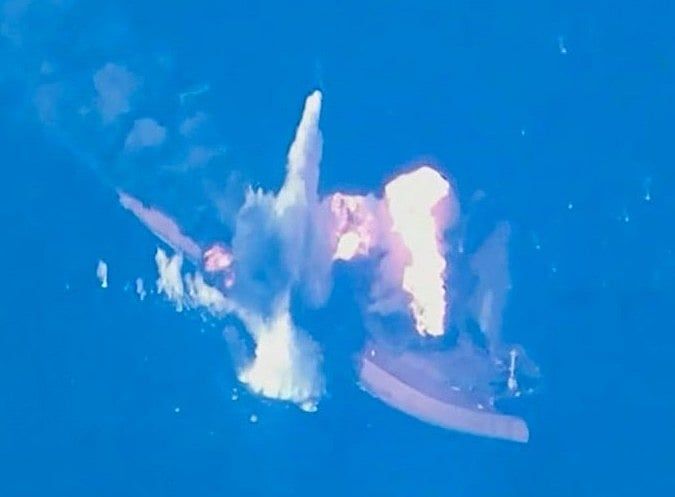
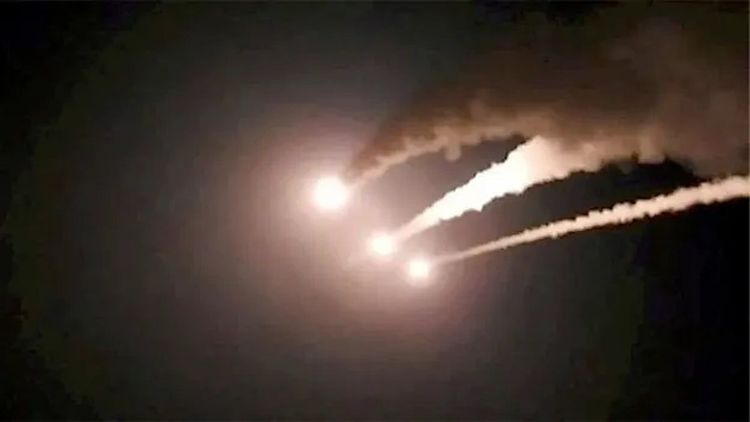
Unconfirmed reports circulating on social media early Monday claimed Iran launched anti-ship cruise missiles from Sirik in southern Iran, striking an oil tanker off Oman's coast. The vessel was reportedly transiting the US-backed southern shipping corridor of the Strait of Hormuz and caught fire.
Yemen's Iran-backed Houthi rebels said they targeted
Saudi enemytroops and equipment on Yemen's Red Sea coast, with military spokesman Yahya Saree claiming strikes on forces in the Mokha area using ballistic missiles and drones. The attacks killed at least four Yemeni government troops and injured 20, according to military sources.
Oil prices rose in early Asian trading Monday as uncertainty over a Hormuz agreement outweighed hopes for quick shipping resumption. West Texas Intermediate crude traded at $78.71 per barrel, up 0.68%, while Brent crude reached $84.28, up 0.87%.