Iran demands $300 billion war compensation as Hormuz talks stall
Tehran sets comprehensive terms for reopening Strait of Hormuz, including wartime reparations, asset release and regional ceasefire, while oil prices surge past $88 as closure drags on.
Iran demands $300 billion war compensation as Hormuz talks stall
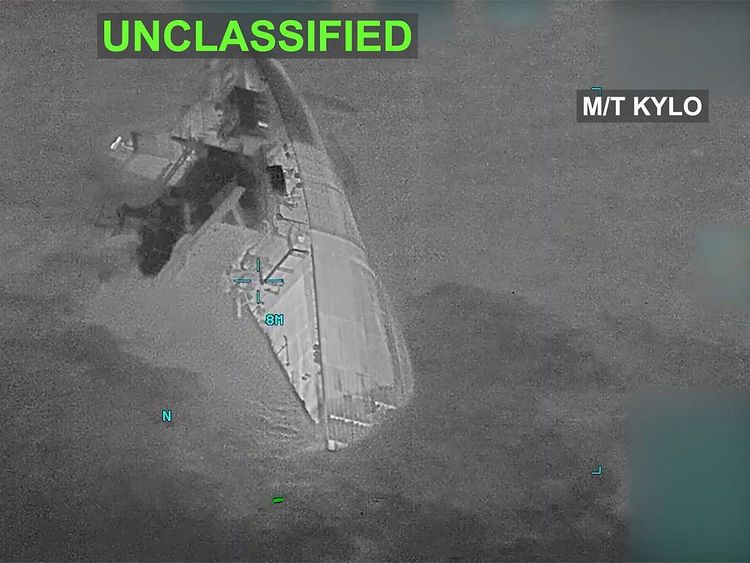
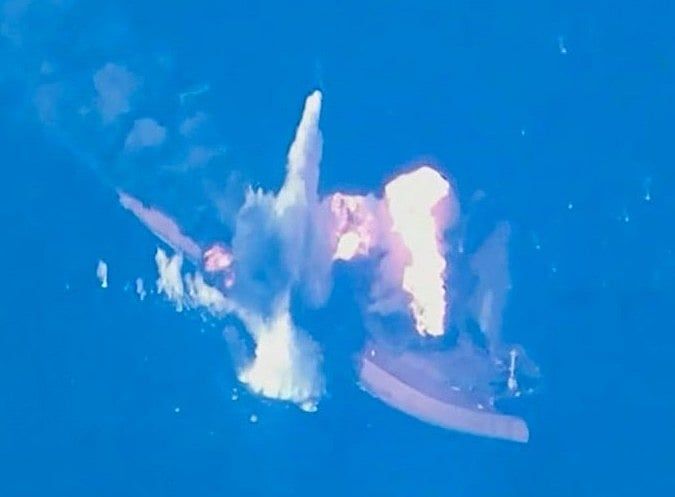
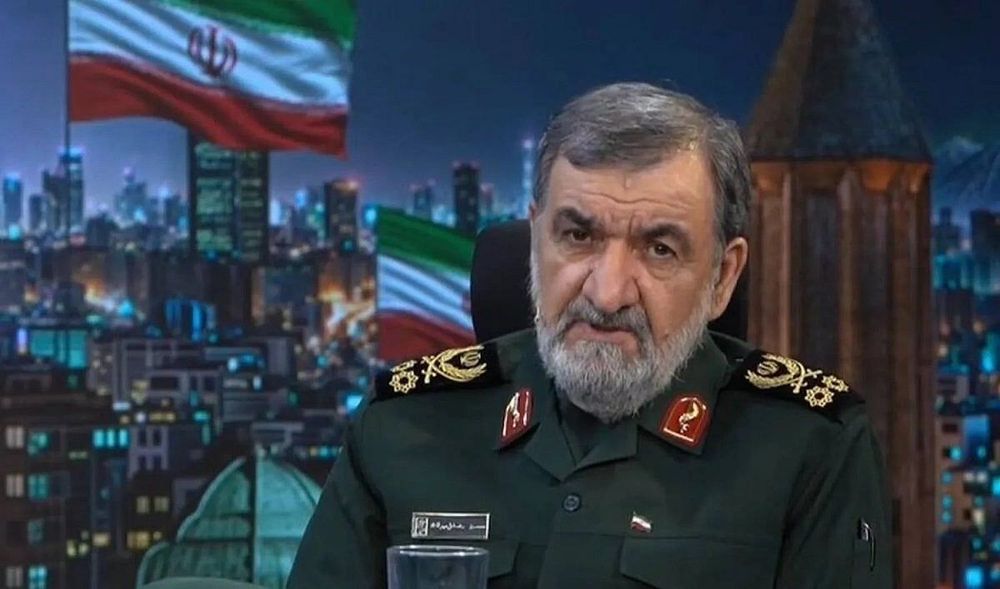
Iran has hardened its position on reopening the Strait of Hormuz, with newly-appointed national security chief Mohsen Rezaei declaring the strategic waterway will stay closed until Washington meets sweeping demands that go far beyond maritime transit arrangements.
Rezaei, who serves as secretary of Iran's Supreme National Security Council, said Tehran would not reopen the strait unless the United States ends the war, lifts its blockade and sanctions, releases frozen Iranian funds and agrees to a broader regional ceasefire. The demands, conveyed through mediators according to Reuters, represent a significant expansion of Iran's negotiating position.
$300 billion in war damages, $100 billion in frozen funds
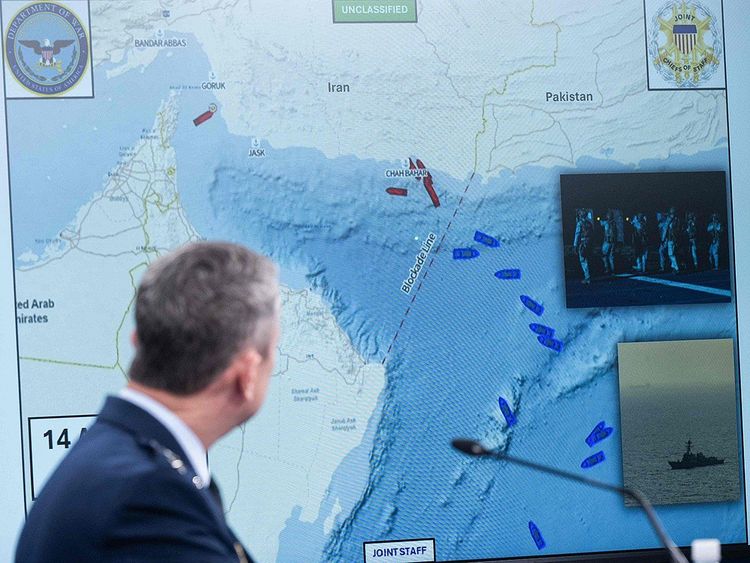
Iranian media quoted Rezaei outlining conditions that include approximately $300 billion in compensation for wartime damage and the release of up to $100 billion in frozen Iranian assets. The demands also call for an end to US sanctions, withdrawal of American forces from the region, termination of the naval blockade and recognition of transit arrangements that could include fees for ships using the waterway.
Iran's frozen assets are scattered across multiple jurisdictions, with approximately $20 billion held in China, $7 billion in South Korea, $6 billion each in Iraq and Qatar, $1.6 billion in Luxembourg and $1.5 billion in Japan. Only about $2 billion is directly held by the United States. Most of these funds originated from oil sales after Washington withdrew from the 2015 nuclear deal in 2018 and reimposed secondary sanctions that prevent foreign banks from releasing the money to Tehran.
From shipping dispute to regional settlement
What began as a confrontation over the world's most critical oil chokepoint has evolved into negotiations tied to the wider US-Iran conflict and regional proxy wars. Iranian officials have suggested talks with Oman could establish new shipping arrangements through the strait, but Tehran has made clear that a technical agreement with Muscat would not by itself guarantee full reopening.
The Strait of Hormuz carries roughly 27% of all seaborne oil shipments worldwide, with flows averaging 20 million barrels per day in 2024. Saudi Arabia alone accounts for 38% of total Hormuz crude flows at 5.5 million barrels per day. Nearly 90% of crude and condensate passing through the strait is destined for Asian markets, with China, India, Japan and South Korea collectively receiving 69% of all Hormuz crude flows.
The closure has also disrupted liquefied natural gas exports, with Qatar shipping approximately 93% of its LNG through Hormuz. Together with the UAE, Qatar represents almost 20% of global LNG exports that depend on the strait remaining open.
Pakistan signals progress amid public deadlock
Pakistan's defence minister said Tuesday that Washington and Tehran may be moving toward an arrangement over the strait, while Pakistan's interior minister traveled to Tehran for talks with Iranian officials. Oman, which has historically mediated between the United States and Iran, is also working to facilitate negotiations.
But the diplomatic optimism contrasts sharply with the hardening public positions of both sides.
Trump demands compensation for attack victims
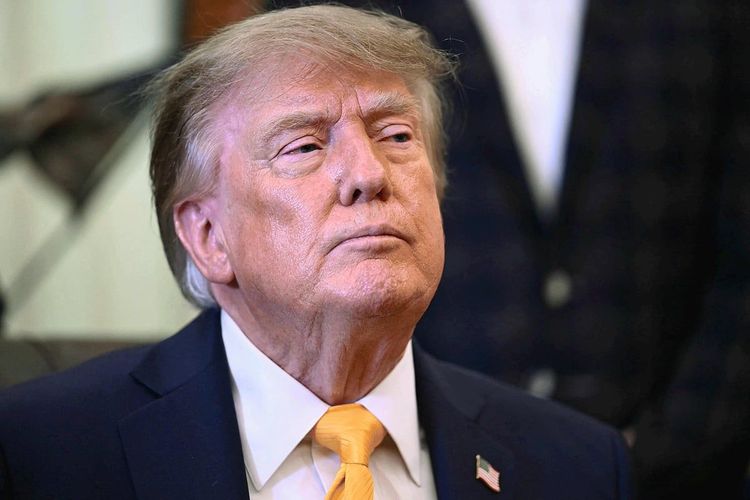
US President Donald Trump has introduced his own compensation demands into the negotiations. Trump said Iran should pay for deaths and injuries linked to conflicts over several decades, specifically citing families of sailors killed in the 2000 USS Cole bombing, when 17 US sailors died and 39 others were wounded after al-Qaeda suicide bombers attacked the Navy destroyer in Yemen's port of Aden.
The competing demands create a difficult negotiating equation: Iran wants compensation from the United States for the current war, while Trump is demanding payment from Iran for past attacks and casualties.
Oil markets react to prolonged closure
Oil prices climbed more than 5% on Monday and extended gains Tuesday, with Brent hitting $88.91 a barrel by Wednesday morning in Tokyo as expectations for a quick reopening faded. The crisis extends beyond Hormuz, as renewed Houthi attacks in the Red Sea raise concerns about Bab al-Mandab, another major chokepoint that handles approximately 10% of global seaborne trade and 10% of worldwide oil trade.
Rezaei's background as commander of the Islamic Revolutionary Guard Corps from 1981 to 1997 — a 16-year period spanning much of the Iran-Iraq War, which he assumed at age 27 — signals Tehran's determination to use military leverage in the standoff.
Comprehensive settlement or continued closure
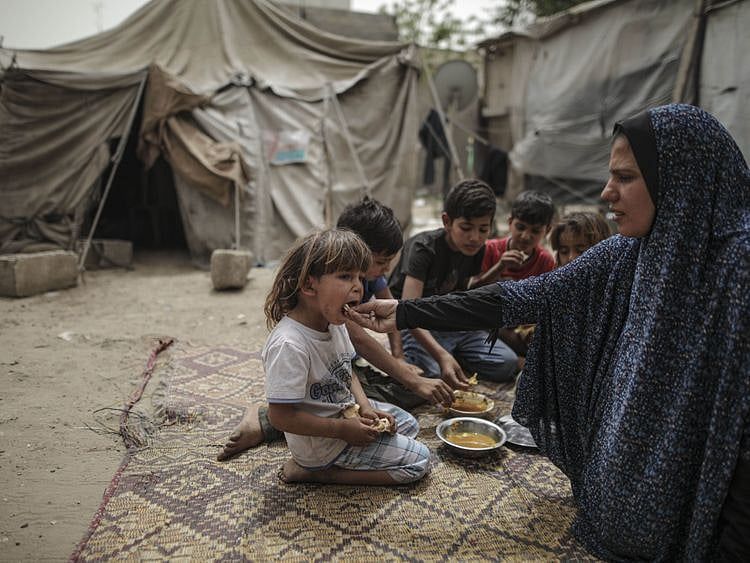
Tehran is no longer treating Hormuz as an isolated maritime issue. Instead, Iran is using the strait as leverage for a comprehensive political settlement covering the US-Iran war, the American naval blockade, US military deployments in the Middle East, sanctions, frozen overseas assets, wartime compensation, shipping arrangements and ceasefires in Lebanon and Gaza.
For Washington, accepting all of Tehran's demands would require a sweeping reversal of key elements of its regional policy. For Tehran, reopening the strait without securing major concessions would mean surrendering one of its strongest bargaining tools.
While Pakistan's mediation efforts point to a possible diplomatic opening, Iran's latest conditions show that Tehran is demanding a settlement far broader than simply allowing tankers to pass. Until those differences are resolved, the Strait of Hormuz remains a powerful pressure point for both sides and a major source of risk for global oil prices, shipping and inflation.