Iraq launches probe into drone strike on Kurdistan PM's office as Iran denies involvement
Baghdad forms investigative committee after overnight drone attack targeted Kurdistan Prime Minister Masrour Barzani's office and intelligence chief's residence, while Tehran calls incident a 'suspicious development' aimed at undermining bilateral relations.
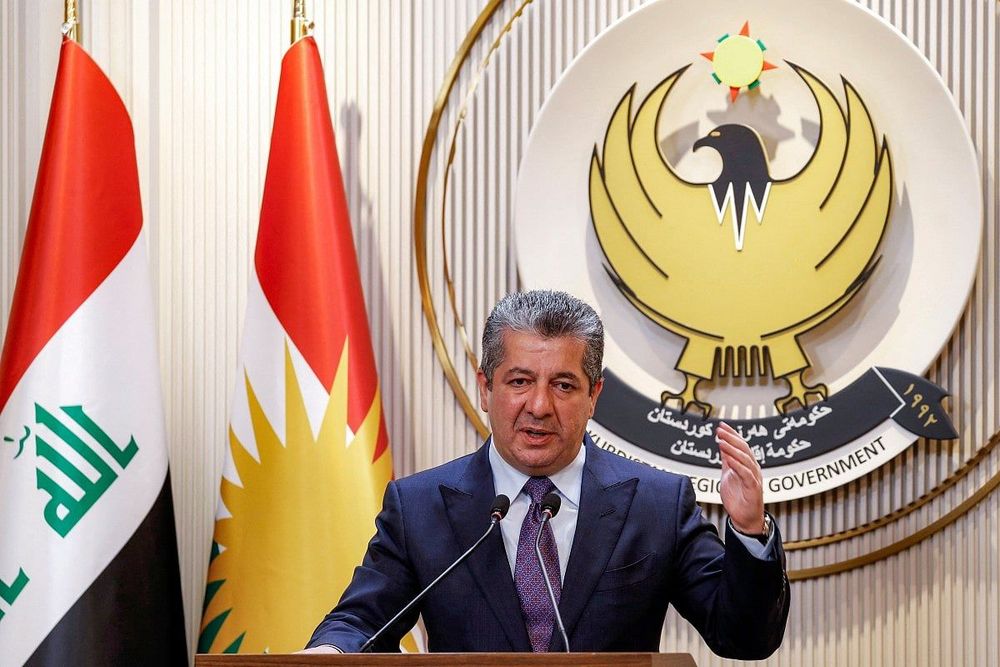
Iraq launches probe into drone strike on Kurdistan PM's office as Iran denies involvement
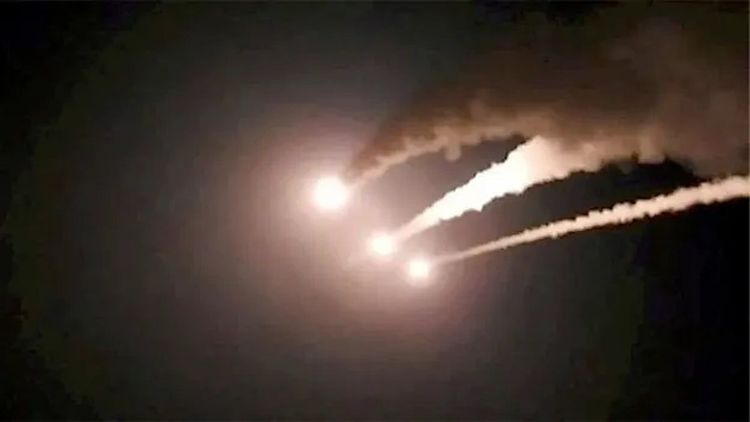
Iraq announced Monday it would form an investigative committee to determine the source of an overnight drone attack on the office of Kurdistan's prime minister, as Iran denied responsibility and described the incident as a ploy to damage relations between the two countries.
The attack targeted the office of Masrour Barzani, who has served as Prime Minister of the Kurdistan Regional Government since June 2019, as well as the residence of the autonomous region's intelligence chief. Kurdish authorities attributed the strike to Tehran, saying two drones were launched from Iranian territory.
Iraq's Prime Minister Ali al-Zaidi directed the formation of an investigative committee tasked with identifying the sources and launching points of the attack. The probe comes as Baghdad faces a September 30 deadline to disarm Iran-backed armed groups operating in the country, a commitment made under pressure from the United States.
Iran rejects accusations
Iranian foreign ministry spokesman Esmaeil Baqaei condemned the attack and called it
a highly suspicious development that requires vigilance and careful attention,according to state news agency IRNA. Foreign Minister Abbas Araghchi held a phone call with his Iraqi counterpart Monday, stating on social media:
Nothing justifies the reckless attack on PM Barzani's office. Kurdish friends should be vigilant against false-flag ploys to sow discord between neighbours.
US special envoy to Iraq Tom Barrack, who recently met with Barzani, strongly condemned what he described as an attack on
our friend and valued Kurdish partner.Barrack, appointed by President Donald Trump, said the aggression was
unacceptable and a direct threat to regional stability.He expressed full support for Zaidi's efforts to restore Iraq's sovereignty and ensure all weapons remain under state control.
Context of regional tensions
The Kurdistan region has been subjected to repeated attacks since the outbreak of the broader Middle East conflict. Authorities say more than 1,000 strikes have originated from Tehran or pro-Iran armed groups inside Iraq, targeting Iranian Kurdish opposition groups and US interests in the region.
Iranian Kurdish opposition groups, including the Democratic Party of Iranian Kurdistan and Komala, formed the Alliance of Political Forces of Iranian Kurdistan in February 2026 to oppose the Tehran government. These exiled groups, based in Iraqi Kurdistan alongside US troops and foreign oil firms, have been primary targets of Iranian strikes.
According to Kurdistan's Counter-Terrorism Directorate, two Hadid-110 explosive-laden drones were launched from across the Iranian border. The attack caused no casualties. Tehran has consistently accused these Kurdish opposition groups of serving Western and Israeli interests, continuing strikes against them even during a regional ceasefire declared in April that later collapsed.
Disarmament deadline approaches
The September 30 deadline stems from a 2024 agreement between Iraq and the United States establishing a two-phase transition to end the US-led coalition's combat mission against ISIS in Iraq. Iraq has given pro-Iran armed factions until that date to disarm, coinciding with the coalition's planned withdrawal.
The Popular Mobilization Forces, also known as al-Hashd al-Shaabi, are officially under the Iraqi Prime Minister's command, though several prominent Iran-backed Shia militias within the umbrella organization continue to operate independently and answer directly to Tehran. These groups emerged after the 2003 US-led invasion and gained prominence during the fight against the Islamic State from 2014 onward.
While some armed groups have announced cooperation to hand over weapons to the state, others remain adamant the issue should not be discussed under US pressure. The US currently maintains fewer than 2,000 troops in Iraq, most consolidated at bases in Erbil and Harir in the Kurdistan Region.
Barrack emphasized the importance of ensuring all weapons and security forces remain under Iraqi state authority as the country works to restore full sovereignty. On July 17, drone and rocket strikes killed nine people near Sulaimaniyah in eastern Kurdistan. Most opposition groups have evacuated their bases and camps in the region since the conflict began.