Israel warns Turkey over Syria expansion, citing intelligence of military buildup
Israeli Ambassador Yechiel Leiter says Jerusalem received intelligence indicating Turkey planned to significantly expand its military presence in Syria, prompting strikes on Abu al-Duhur airbase near Aleppo.
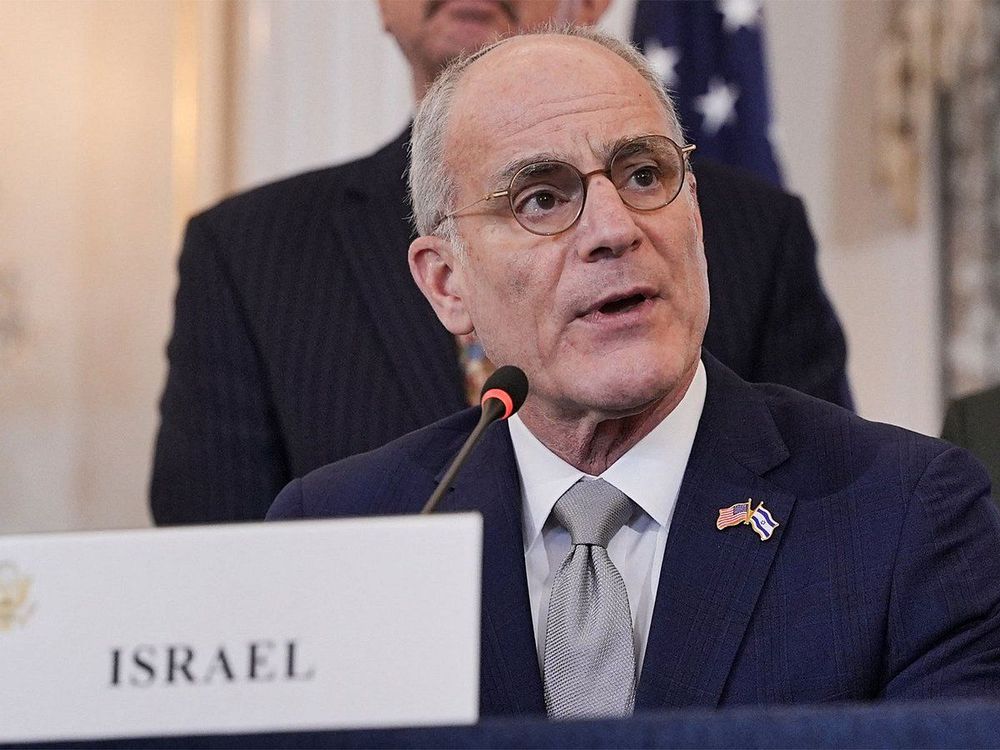
Ambassador Leiter: Intelligence indicated Turkish military buildup
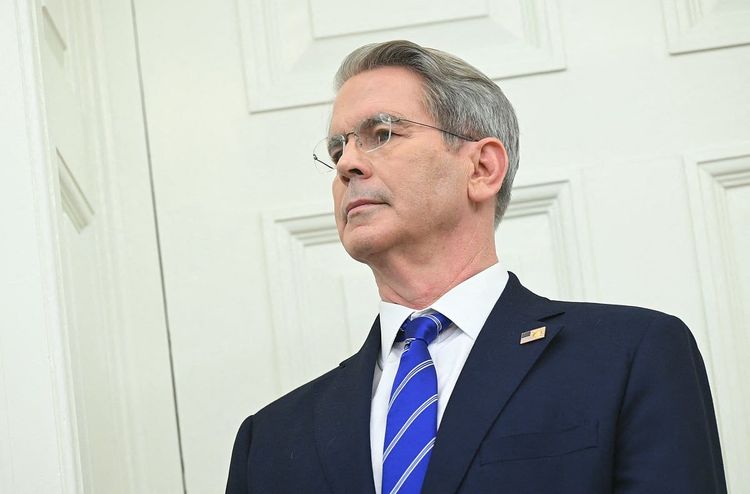
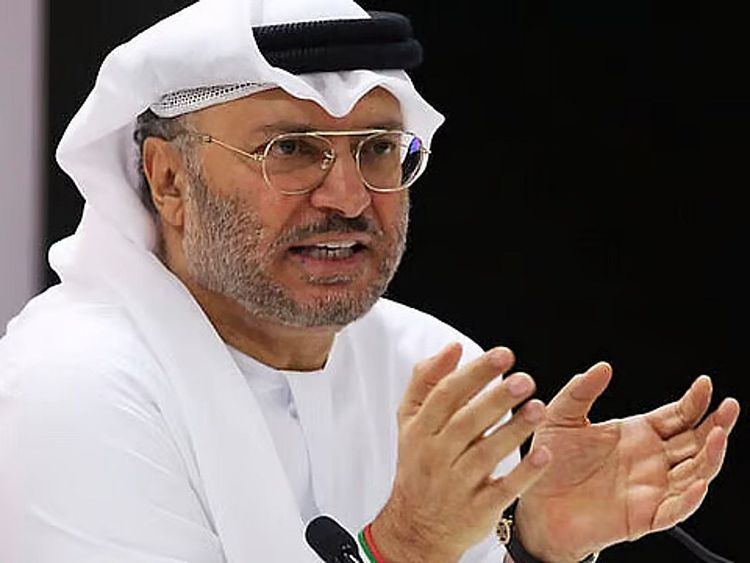
Israeli Ambassador to the United States Yechiel Leiter said Thursday that Israel had received intelligence indicating Turkey intended to significantly expand its military presence in Syria, describing the move as crossing a red line that prompted Israeli military action.
"We are not seeking escalation or war with either Turkey or Syria. But a red line was crossed," Leiter told The Jerusalem Post in an interview, following Israeli strikes on Syrian territory that drew condemnation from Damascus and Ankara.
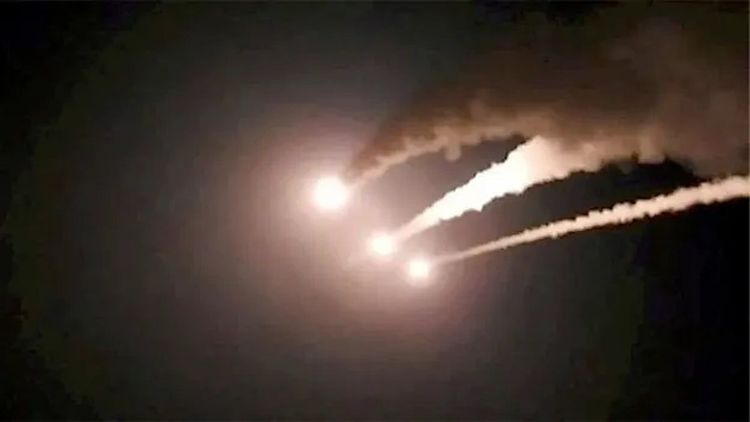
The strikes targeted the Abu al-Duhur airbase near Aleppo on Tuesday, with Syrian officials reporting at least eight strikes that damaged runways according to satellite imagery. The action came after warnings about the alleged Turkish military expansion were not heeded, Leiter said.
"This was supposed to be a blatant Turkish violation of the understandings," the ambassador said. "Those who needed to be exposed to the intelligence received it. Those who needed to know what was coming knew. We made clear that this was a violation of our understandings - and that is why Israel acted as it did."
Understandings reached during Biden administration
According to Leiter, the alleged Turkish move contradicted understandings reached during the Biden administration between Israel and the administration of Syrian President Ahmed al-Sharaa, which had frozen the existing situation in Syria. Al-Sharaa, formerly known as Abu Mohammad al-Jolani, led rebel forces that toppled President Bashar al-Assad in December 2024 and assumed the presidency in 2025. He previously led Hayat Tahrir al-Sham, which broke ties with al-Qaeda around 2016.
These understandings were reaffirmed at a January 2026 meeting in Paris attended by Syrian Foreign Minister Asaad al-Shaibani, US Syria envoy Tom Barrack, Leiter, then-National Security Council chief Gil Reich, and Netanyahu's military secretary Roman Gofman. Gofman was sworn in as Director of the Mossad on June 2, 2026, replacing David Barnea and becoming the first outsider to lead the agency since 2011.
Tom Barrack, who was confirmed as US Ambassador to Turkey in 2025, was appointed Special Presidential Envoy for Syria in May 2025, with his role expanding to include Iraq in May 2026. His dual role as both ambassador and envoy placed him at the center of regional diplomatic efforts.
"The freeze means that just as the Turks don't move, neither do we - and they don't force us to withdraw," Leiter explained. "And it is important to understand that while we are sitting on only 78 square miles in Syria, in a security zone, the Turks have carried out a creeping annexation of 3,500 square miles in northern Syria over the past several years - about 5% of the country's territory."
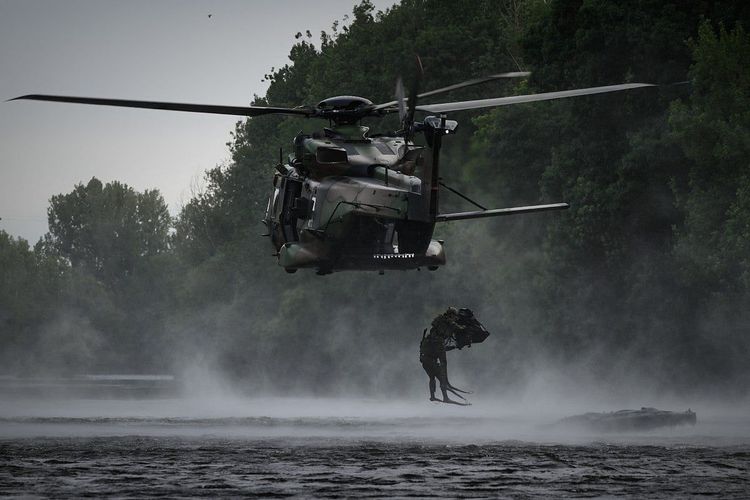
Turkey has maintained between 16,000 and 18,000 troops in northern Syria since 2015, controlling approximately 3,460 square kilometers of Syrian territory across multiple governorates. Israel seized approximately 350-400 square kilometers of Syrian territory in December 2024, including a UN-monitored demilitarized buffer zone and Mount Hermon, following the collapse of the Assad regime. The buffer zone was established under a 1974 UN disengagement agreement.
US administration response and diplomatic tensions
Leiter said senior US officials, with the exception of US Syria envoy Tom Barrack, had not condemned the Israeli strike in Syria. "The administration's policy is that the freeze agreed upon in the past will continue, which is why even Trump did not condemn the strike," he said.
Israeli Prime Minister Benjamin Netanyahu said Wednesday that "Israel made the message clear: Don't."
Despite the military action, Leiter said Israel believed Syria was not seeking confrontation. "It is clear to us that the Syrians do not want a confrontation with us," he said. "That is why we are telling the Turks not to create conflicts. There is more than one indication that the move planned by Turkey was imposed on the Syrians."
He pointed to differences between Turkish and Syrian statements following the strike. "While Syrian Foreign Minister Shaibani acknowledged that there had been a Turkish delegation in Syria several days before the strike, the Turks denied it. They should sort it out among themselves," Leiter said.
The ambassador said Israel was open to resuming direct talks with Syria, provided conditions were suitable. "The negotiations can be renewed. We want to continue the face-to-face dialogue that we previously held with the Syrians," he said.
Deteriorating Israeli-Turkish relations
On ties with Turkey, Leiter said Israel remained open to dialogue with Ankara but criticized statements made by Turkish leaders against Israel. "We are certainly open to dialogue with them, but according to statements by senior officials in the country, they would prefer to wipe Israel off the map," he said, referring to Turkish President Recep Tayyip Erdogan's repeated accusations against Israel and Turkish Foreign Minister Hakan Fidan's statement that "Israel is a stain on humanity."
"At a time when Turkey is hosting Hamas leaders and transferring funds to Hezbollah and Hamas, Iran's arm against Israel, it is not appropriate for them to begin expanding their influence in Lebanon and Syria," Leiter said. "Under the current circumstances, Turkey cannot be a force that helps calm the region."
He added: "I wish we could return to the situation of several decades ago in relations between Jerusalem and Ankara. Then, we would be open to Turkish influence in the region. But it is not logical for Turkish influence in the region to grow while Turkey is funding terrorist organizations."
The Syrian National Army, a Turkish-backed force that numbered between 70,000 and 90,000 fighters as of 2024, was dissolved and merged into the Syrian Armed Forces in 2025 following the regime change, illustrating Turkey's broader military influence beyond its direct troop presence.