UAE maintains diplomatic course despite repeated attacks on ADNOC vessels in Hormuz
Dr Anwar Gargash says the UAE will uphold deterrence and international law while prioritizing dialogue and strengthening Gulf unity following latest strike on ADNOC tanker in strategic waterway.
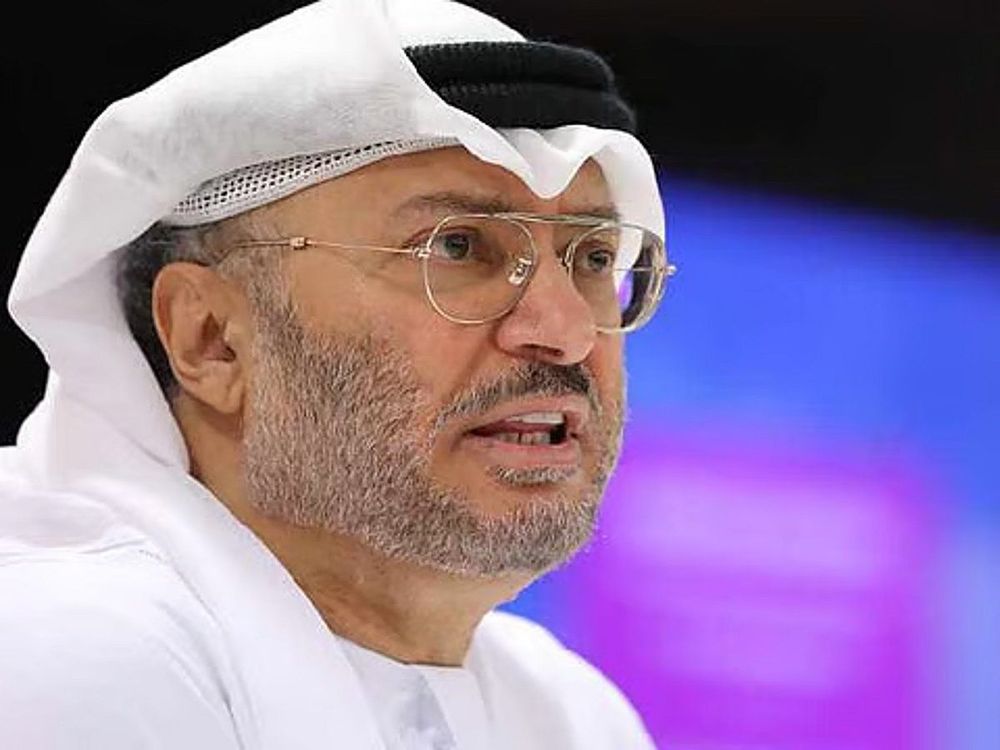
UAE maintains diplomatic course despite repeated attacks on ADNOC vessels in Hormuz
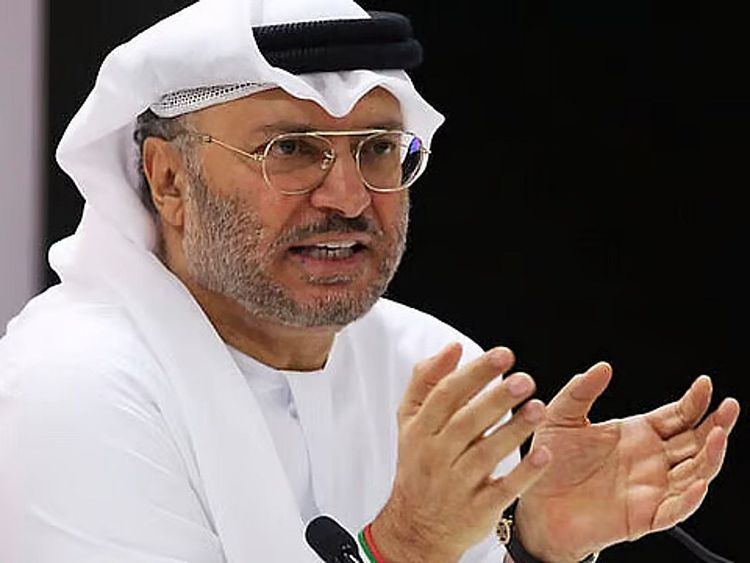
The United Arab Emirates will not deviate from its measured diplomatic approach despite repeated attacks on ADNOC vessels in the Strait of Hormuz, Dr Anwar Gargash, Diplomatic Adviser to the UAE President, said on Saturday following the latest strike on an ADNOC tanker in the critical shipping corridor.
Speaking after Friday evening's attack, Dr Gargash outlined a three-pillar strategy combining deterrence, diplomacy and adherence to international law. The former Minister of State for Foreign Affairs, who was appointed to his current role in February 2021 after 13 years leading UAE foreign policy, emphasized that the country would defend its sovereignty while keeping dialogue channels open.
The repeated targeting of ADNOC tankers will not deter the UAE from pursuing a balanced and rational policy based on three pillars: deterrence, diplomacy and adherence to international law.
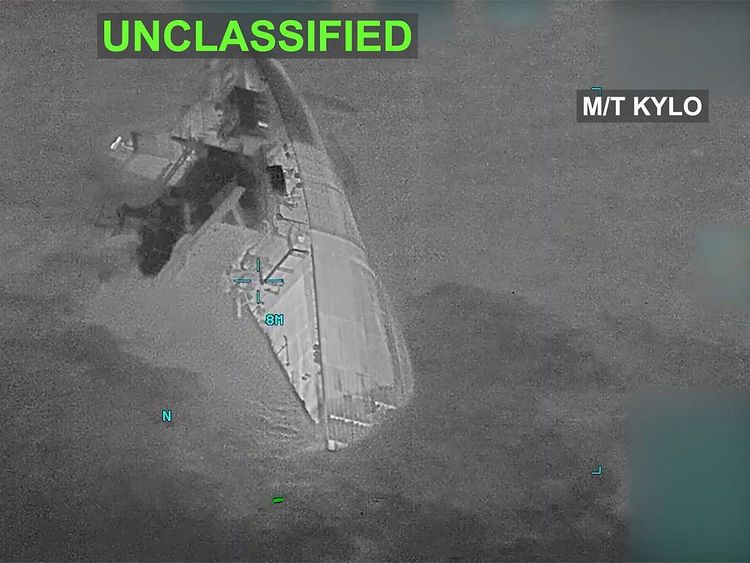
ADNOC confirmed that one of its vessels was struck while transiting the strait on Friday evening. The incident caused no injuries and the situation was brought under control, the company said. ADNOC Logistics & Services operates more than 880 vessels through owned, chartered and operated arrangements, having recently expanded its fleet with 11 crude and gas carriers acquired in August 2026 for $1.3 billion.
Strategic waterway under pressure
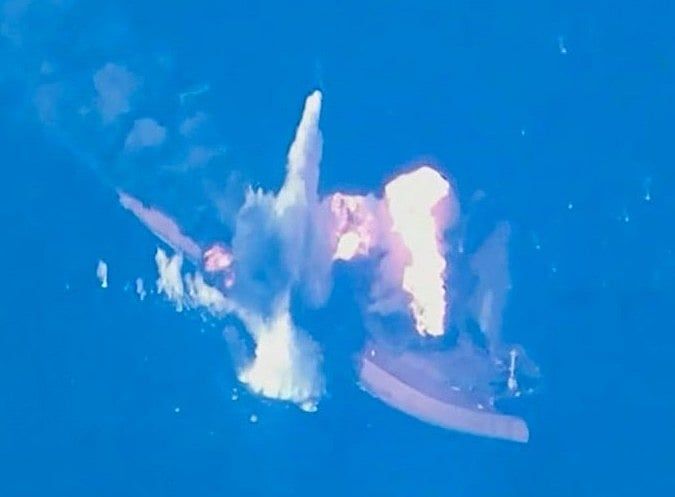
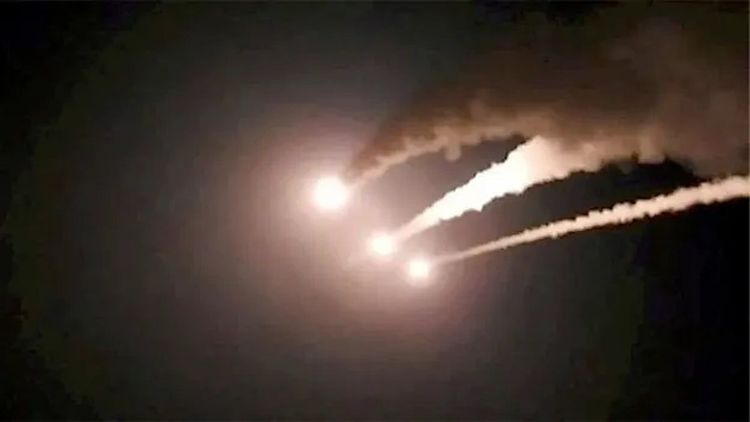
The Friday attack followed strikes on two other ADNOC vessels in the same location on Thursday evening, which also resulted in no casualties. The UAE strongly condemned both incidents and attributed the Thursday attacks to Iran, calling them violations of international law and threats to freedom of navigation.
The incidents are part of an escalating pattern affecting ADNOC shipping operations. The company reported on August 7 that 15 of its vessels had been hit by missiles and drones while passing through the Strait of Hormuz since the current conflict began, with those attacks killing one crew member and injuring 20.
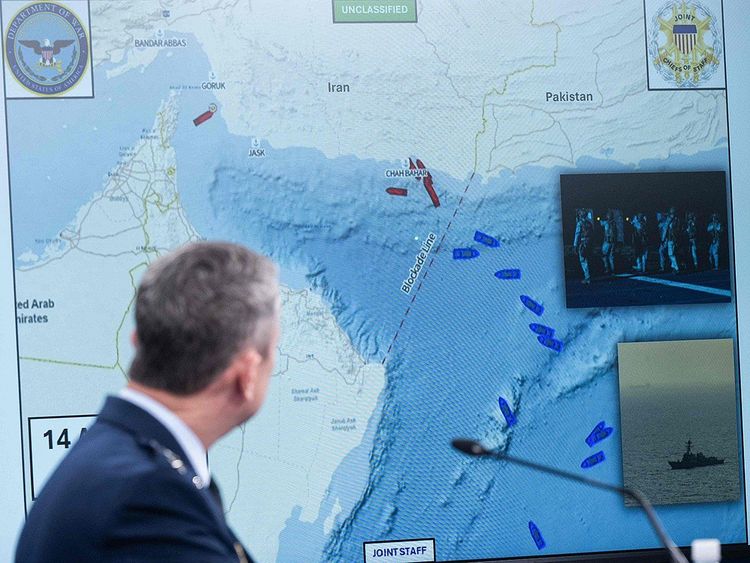
The Strait of Hormuz, a waterway approximately 21 nautical miles wide at its narrowest point between the Omani Musandam Peninsula and Iran, serves as one of the world's most vital energy chokepoints. In 2025, approximately 25 percent of global maritime oil trade and 19 percent of liquefied natural gas trade passed through the strait, with roughly 20 million barrels per day transiting the waterway. Shipping traffic flows through two designated lanes each about 2 miles wide, separated by a buffer zone.
The UAE contributes approximately 12.9 percent of oil flows through the strait, while the waterway carries energy exports from across the Gulf region. Approximately 84 percent of all crude oil and condensate shipped through the Strait of Hormuz in 2024-2025 was destined for Asian markets, with China alone receiving 37.7 percent of all oil exports passing through the corridor.
Call for Gulf unity
Dr Gargash stressed that the UAE would safeguard its right to freedom of navigation and use of the Strait of Hormuz in accordance with international law, while defending its sovereignty and national interests. At the same time, he said, the country would continue pursuing dialogue and prioritizing diplomatic solutions.
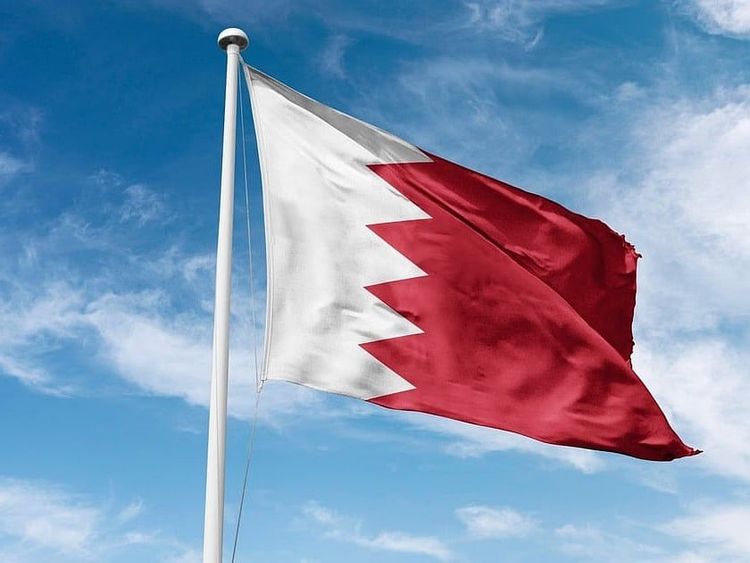
He also highlighted the importance of a unified Gulf position as tensions persist in the region. The UAE would make every effort to strengthen a common approach among the six Gulf Cooperation Council member states — Bahrain, Kuwait, Oman, Qatar, Saudi Arabia and the United Arab Emirates — as an essential pillar for protecting regional security and Gulf interests, Dr Gargash said. The GCC was established in May 1981 to promote coordination and integration among member states.
Traffic through the strait has slowed considerably as attacks and political tensions have intensified, increasing pressure on the strategically important shipping route and raising concerns about global energy supplies and market stability far beyond the Gulf region.