Saudi defence minister calls Iraq 'cherished neighbour' in first high-level talks since deadly strikes
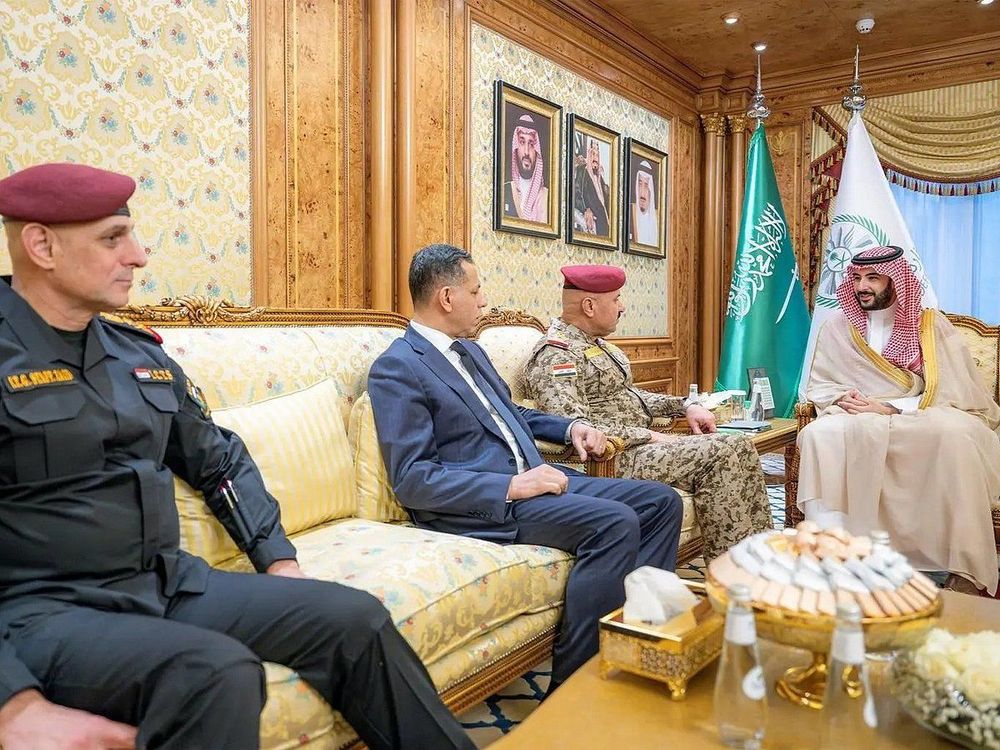
Saudi Arabia's defence minister met with a senior Iraqi military official in Riyadh, marking the first announced security visit since last month's US-Saudi strikes killed at least 20 militants in Iraq.
Saudi defence minister calls Iraq 'cherished neighbour' in first high-level talks since deadly strikes
Saudi Arabia's defence minister described Iraq as a "cherished neighbour" during talks with a senior Iraqi army official on Thursday, in the first announced security visit since deadly US-Saudi strikes targeted Iran-backed militias across Iraq last month.
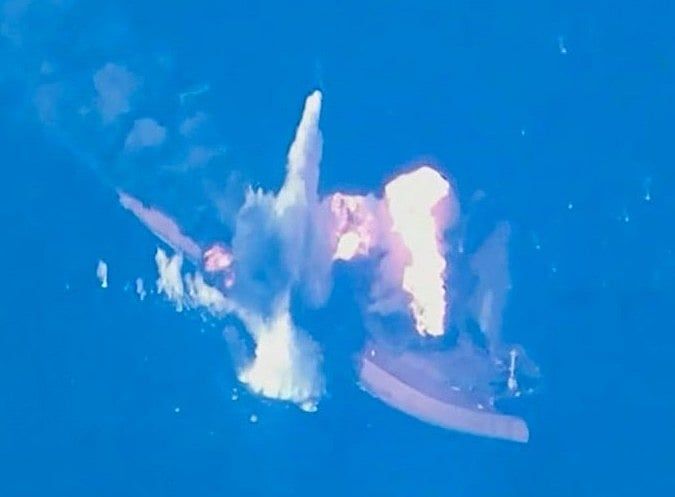
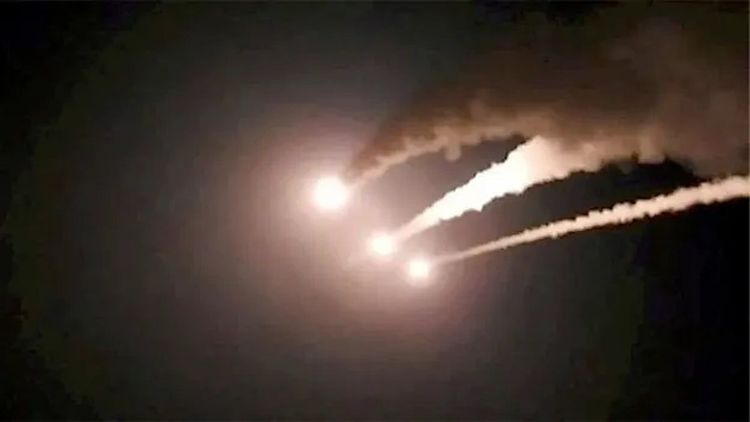
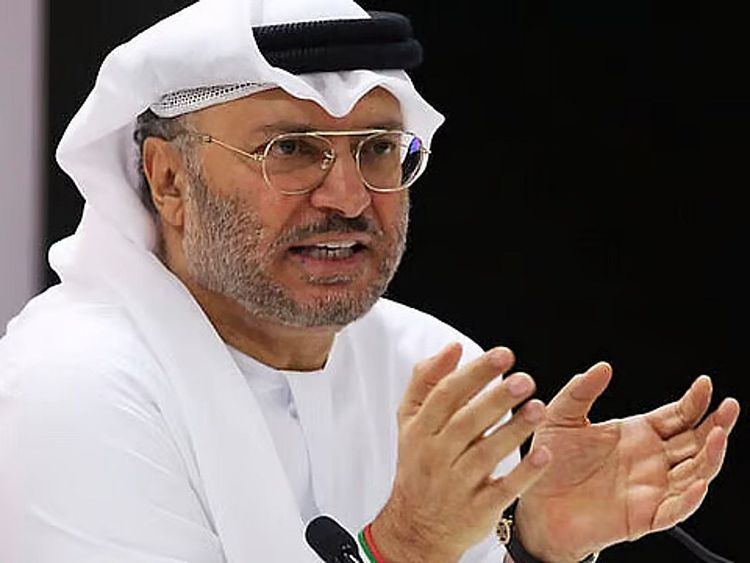
Defence Minister Khalid bin Salman met with Abdul Amir Al-Shammari, director of Iraq's Office of the Commander in Chief, in Riyadh to discuss military cooperation and regional security. The meeting came nearly two weeks after the July 29 strikes killed at least 20 members of the Popular Mobilisation Forces and at least four advisers from Iran's Islamic Revolutionary Guard Corps across seven Iraqi provinces from Kirkuk in the north to Basra in the south.
"Iraq will remain a cherished neighbour, we share bonds of brotherhood, solidarity, and mutual support with its government and its brotherly people. The Kingdom will always stand by Iraq to support its security, stability, development, and prosperity, for the benefit of Iraq and its brotherly people."
The visit marked a significant step in diplomatic efforts to repair relations after the strikes, which prompted Baghdad to cancel a planned trip by Prime Minister Ali Al Zaidi to Saudi Arabia. Al Zaidi, who became Iraq's youngest prime minister at age 40 when he assumed office on May 14, 2026, convened an emergency National Security Council meeting on July 29 that called the strikes a flagrant violation of Iraq's sovereignty.
Background to the strikes
The US-Saudi military action followed months of escalating attacks on American interests in Iraq. According to CENTCOM, Iran-aligned militias attempted more than 600 attacks on US citizens and facilities between February and April 2026, prompting the coordinated response.
The strikes targeted positions of the Popular Mobilisation Forces, an Iraqi armed alliance also known as the Hashed Al Shaabi that includes pro-Iran groups. The PMF was formed in 2014 following a fatwa by Grand Ayatollah Ali al-Sistani to fight ISIS when the Iraqi army faced overwhelming challenges, and was formally recognized as an auxiliary to the armed forces in 2016 under the Popular Mobilisation Law.
The Islamic Resistance in Iraq, an umbrella group of Tehran-backed factions, initially vowed to retaliate but postponed its response on August 7 following an appeal from Hadi al-Amiri, head of the Badr Organization, who requested the delay for Iraq's higher interest.
Diplomatic thaw
Thursday's meeting in Riyadh represented the first announced visit by an Iraqi security official to Saudi Arabia since the strikes. The two sides "reviewed Saudi-Iraqi relations in the military and defence sectors" and discussed regional developments, according to Khalid bin Salman, who emphasized "the importance of continued coordination and cooperation between our two countries to serve our mutual interests and ensure the region's security and stability."
Last week, the foreign ministers of both countries held their first high-level meeting since the strikes on the sidelines of a gathering in the Jordanian capital Amman, signaling initial steps toward restoring diplomatic momentum.
The rapprochement efforts come against a complex historical backdrop. Saudi Arabia and Iraq only reestablished diplomatic relations in late 2015 after a gap of nearly 25 years following the closure of ties after Iraq's 1990 invasion of Kuwait.
Pressure on Baghdad
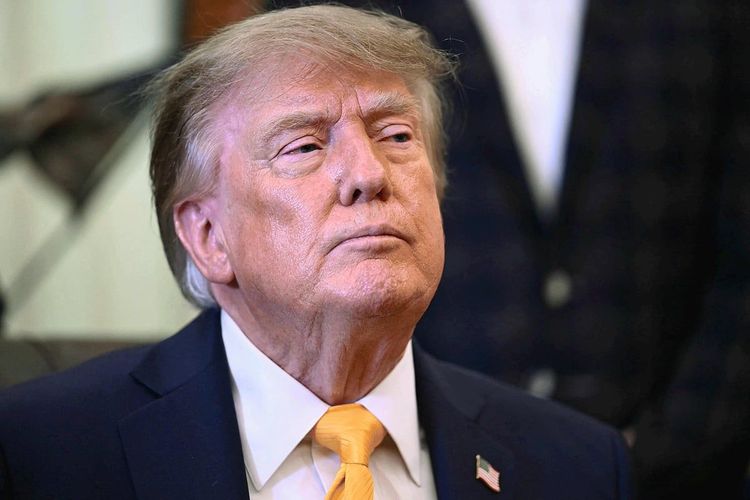
Prime Minister Al Zaidi, a multimillionaire banker and businessman nominated by the Coordination Framework as a consensus candidate, came to power with Washington's backing. President Trump hosted him at the White House in July 2026, and the Iraqi leader has faced growing pressure from the United States to disarm pro-Iran armed groups.
Al Zaidi vowed to ensure those groups would hand over their weapons, but has encountered resistance from powerful factions. Several Iran-aligned groups including Kataib Hezbollah, Harakat al-Nujaba, and Kataib Sayyid al-Shuhada have rejected surrendering their weapons while US forces remain in Iraq. The US-led coalition's mission in the country is scheduled to end on September 30, 2026.
Washington and Tehran remain Iraq's main allies, but their rivalry has long turned the country into a proxy battleground, leaving successive governments struggling to maintain a delicate balance between the two powers. The strikes and subsequent diplomatic efforts underscore the challenges Baghdad faces in navigating between its security partnerships and regional tensions.