Iran rejects Trump's Hormuz control claim as diplomatic standoff intensifies
Tehran maintains the Strait of Hormuz remains closed despite US assertions of control, while newly appointed security chief outlines conditions for reopening the critical waterway that handles a quarter of global oil trade.
Iran rejects Trump's Hormuz control claim as diplomatic standoff intensifies
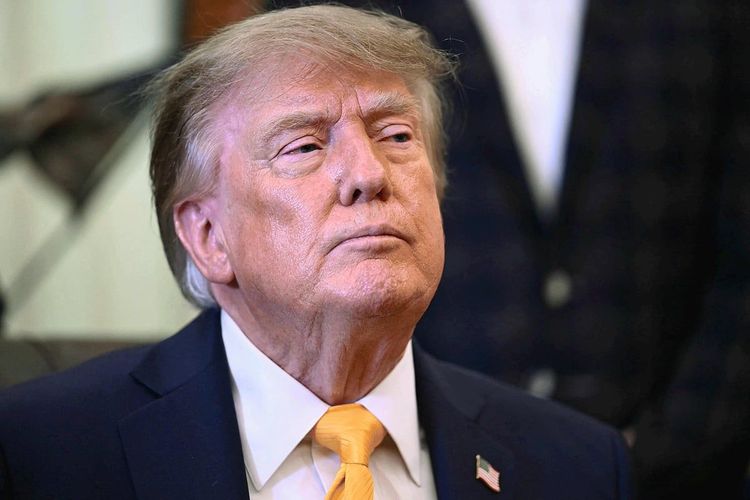
Iran has firmly rejected President Donald Trump's assertion that the United States exercises total control over the Strait of Hormuz, insisting the strategic waterway remains blocked and will not reopen until Tehran's conditions are met.
The Persian Gulf Strait Authority, established in May 2026 to oversee maritime transit through the strait during the ongoing crisis, stated that repeated claims by US officials cannot alter the situation on the ground. The agency's statement on social media platform X emphasized that the waterway will remain closed until Iran's demands are accepted.
Geographic and economic significance
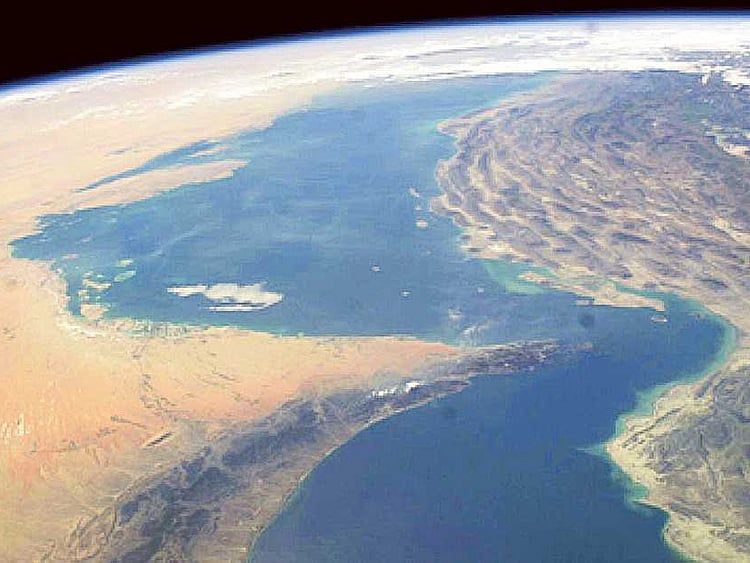
The Strait of Hormuz, measuring approximately 21 nautical miles at its narrowest point between Iran and Oman, serves as one of the world's most critical energy chokepoints. Commercial shipping lanes through the passage are only about 2 miles wide in each direction, separated by a buffer zone, making the waterway particularly vulnerable to disruption.
In 2025, roughly 25% of global seaborne oil trade and 19% of liquefied natural gas transited through the strait, with the vast majority destined for Asian markets. Asian countries collectively receive approximately 89% of crude oil and condensate passing through the waterway, with China alone accounting for about 38% of all oil exports through the strait. Among exporting nations, Saudi Arabia contributes the largest share at approximately 38% of crude flows through Hormuz, equivalent to about 5.5 million barrels per day, followed by Iraq at 22.8% and the UAE at 12.9%.
Trump's assertions meet Iranian pushback
Trump's claims on Truth Social described the US naval presence as a "WALL OF STEEL" and declared that Washington has "total control" over the strait. He added that Iran's military infrastructure had been severely degraded and concluded his message with "Praise be to Allah."
The response from Tehran came swiftly. Mohsen Rezaei, appointed just days earlier on August 9 as Secretary of Iran's Supreme National Security Council, outlined specific conditions for reopening the passage. Rezaei, who previously commanded the Islamic Revolutionary Guard Corps from 1981 to 1997, stated that the strait would remain closed until the US ends the war and blockade, releases Iran's frozen assets, and agrees to a region-wide ceasefire including Lebanon and Gaza.
Frozen assets at center of dispute
Iran's frozen assets have become a central element in the standoff. Estimates place the total value of Iranian frozen assets globally between $100 billion and $120 billion. Approximately $2 billion is held directly in the United States, with larger amounts held in China ($20 billion), South Korea ($7 billion), and Iraq ($6 billion), along with smaller sums in Japan and Luxembourg.
According to reports from June 2026, negotiators have discussed releasing approximately $12 billion of these frozen assets as part of a 60-day negotiation period under a potential preliminary agreement.
Historical context and US response
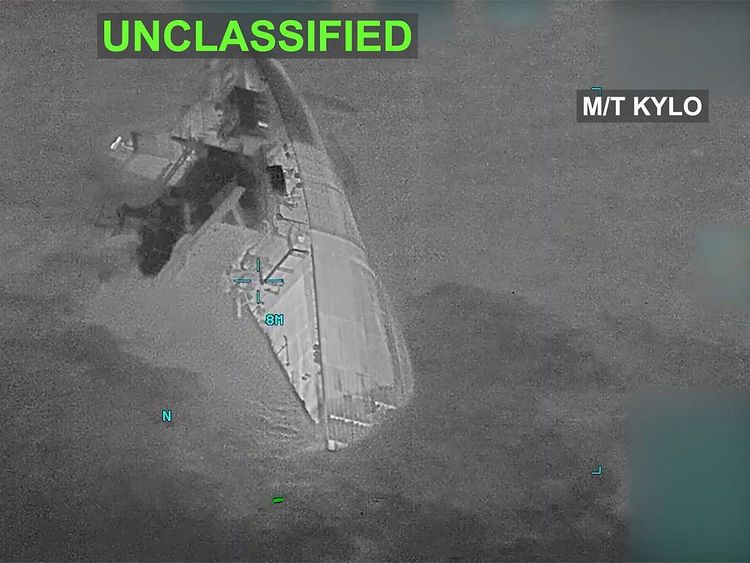
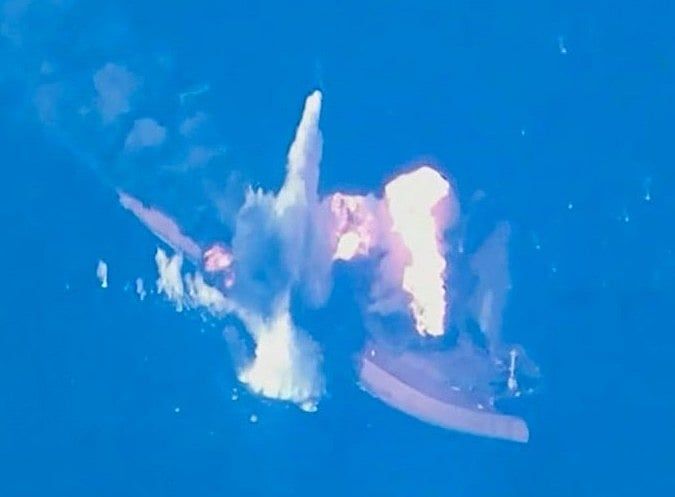
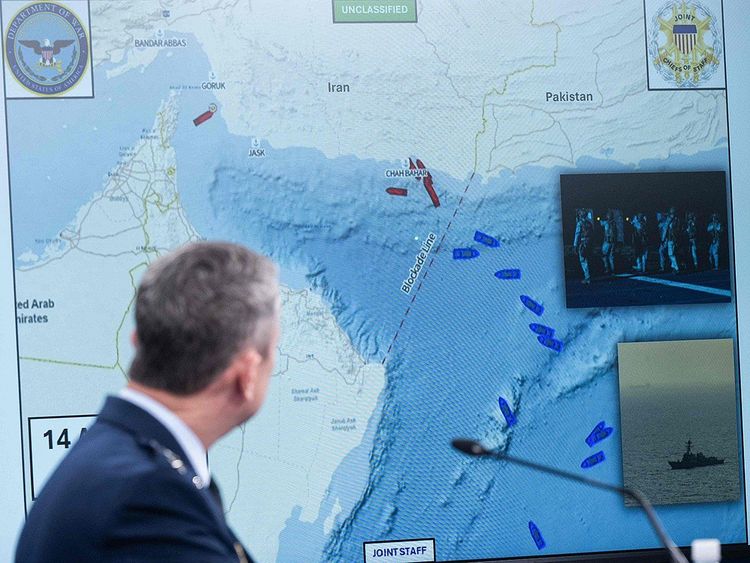
The current crisis escalated following US and Israeli military operations against Iran in late February 2026, which triggered Iranian retaliations including efforts to assert control over the strait through threatened and actual attacks on commercial shipping.
Washington has deployed significant naval forces to the Gulf region, maintaining that ensuring freedom of navigation remains a primary security objective. The US Office of Foreign Assets Control has sanctioned the Persian Gulf Strait Authority, characterizing it as an attempt by the Islamic Revolutionary Guard Corps to extract revenue, and has threatened sanctions against entities that pay Iran for transit through the strait.
Commercial shipping through the vital corridor continues under heightened security measures, though the environment remains volatile. The extended confrontation has raised concerns about broader regional conflict and triggered adjustments to shipping routes by commercial carriers. International crude prices have responded to the uncertainty, while diplomatic channels remain active in seeking a resolution that could prevent armed conflict while maintaining access to this critical maritime passage.