Trump approval plunges to 33% as public expects prolonged Iran conflict
President faces lowest approval rating of his presidency as 80% of Americans anticipate extended war and energy disruption threatens midterm election prospects in November.
Trump approval plunges to 33% as public expects prolonged Iran conflict
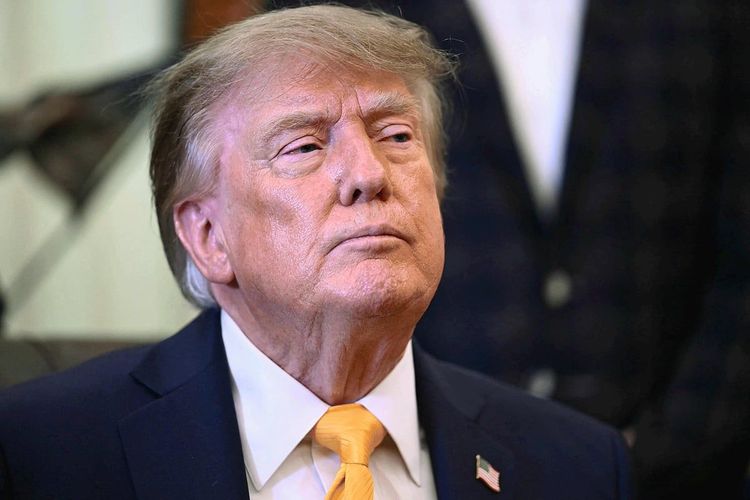
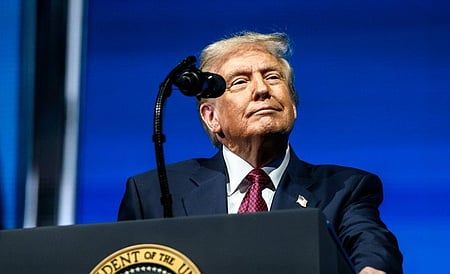
President Donald Trump's approval rating has dropped to 33%, marking the lowest point of his presidency, as mounting public concern over a protracted conflict with Iran combines with rising energy costs to create significant political headwinds ahead of the November midterm elections.
A Reuters/Ipsos poll completed Monday found that 64% of Americans now disapprove of the president's performance, down from a 35% approval rating in an earlier August survey. The figure matches Trump's previous low point from December 2017 during his first term.
Public expects long war despite early promises
The survey reveals deep skepticism about the conflict's duration, with 80% of respondents believing US involvement in Iran will continue for an extended period. This includes 87% of Democrats and 71% of Republicans, suggesting anxiety cuts across party lines.
Only 16% of those polled expected the conflict to end within weeks, despite Trump's initial suggestions that the war could be resolved quickly. Just 20% of Americans said the war has been worth the cost, with support reaching only about half among Republicans.
Energy disruption drives economic anxiety
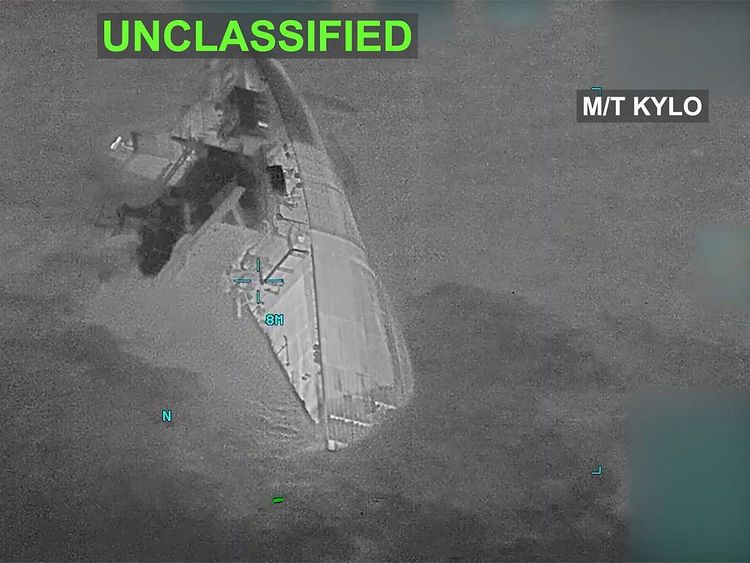
The conflict has severely disrupted oil flows through the Strait of Hormuz, a narrow waterway just 21 nautical miles wide at its narrowest point. Before the war, nearly 15 million barrels per day of crude oil passed through the strait in 2025, representing roughly 34% of global crude oil trade. When refined petroleum products are included, the total reached approximately 20.9 million barrels daily.
The waterway also carries significant liquefied natural gas shipments, with approximately 19% of global LNG trade transiting the strait, including 93% of Qatar's and 96% of the UAE's LNG exports.
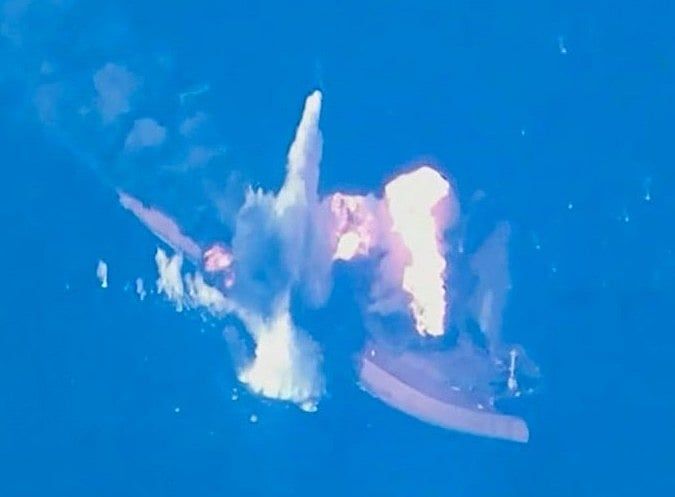
Shipping traffic through the strait collapsed after hostilities began, with approximately 90% of vessels diverted initially. When Iran threatened to attack ships, that figure rose above 95%, effectively choking off a critical energy artery. Asian nations have been particularly affected, as they receive roughly 89% of the crude oil and condensate that normally transits the waterway, with China alone accounting for nearly 38% of these flows.
Early in the conflict, between late February and early March 2026, international crude oil prices surged 27% while LNG prices jumped 74%. These increases have translated into higher gasoline costs for American consumers.
At a Friday rally, Trump defended the elevated fuel prices, telling supporters that paying more at the pump was necessary to prevent Iran from obtaining nuclear weapons. The polling data suggests this argument has failed to resonate with most voters.
Historical precedents raise warning flags
The political dynamics mirror historical patterns from previous prolonged conflicts. During the Korean War, President Harry Truman's approval rating fell to 22% in February 1952 as the war dragged on without resolution, the lowest approval rating of any president in the modern polling era. More recently, President George W. Bush saw his approval drop to 31% in 2006 and later to 25% as the Iraq War occupation continued.
Midterm elections loom large
The deteriorating poll numbers arrive less than three months before the November 3 midterm elections, when all 435 House seats and 35 Senate seats will be contested. Republicans currently control Congress but face growing challenges as voters reassess the administration's performance.
An earlier Reuters/Ipsos poll from early August showed Americans rating Democrats ahead of Republicans on economic management for the first time in nearly a decade. A separate Financial Times/Focaldata survey found that more than half of registered voters reported being financially worse off under Trump, with particular dissatisfaction over inflation and living costs.
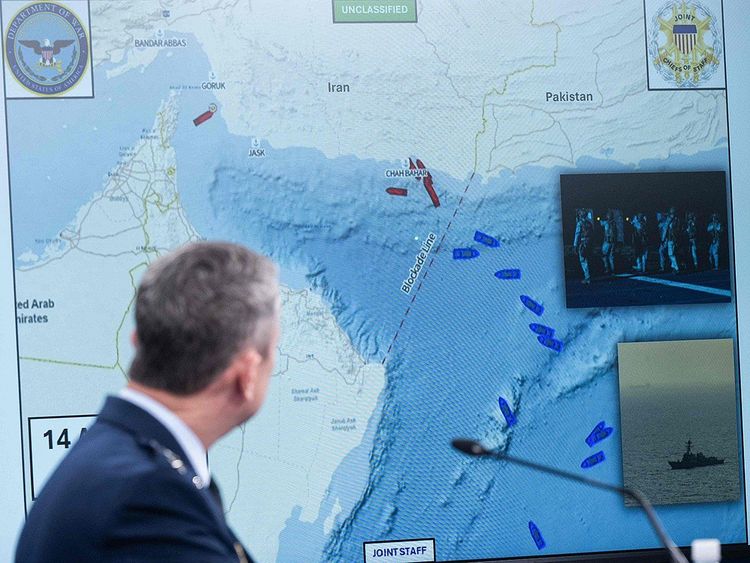
The polling comes as a 60-day deadline associated with the US-Iran peace agreement expired without a comprehensive settlement. Key provisions, including reopening the Strait of Hormuz and lifting the US blockade, were not implemented. Washington and Tehran have blamed each other for the breakdown, though mediators continue pushing for negotiations.
For Trump, the confluence of war fatigue, energy price increases, and economic anxiety creates a difficult contradiction. He campaigned on promises to contain inflation and avoid drawn-out foreign wars, yet the Iran conflict has become increasingly entangled with gasoline prices and his political standing.
The erosion of support is beginning to raise concerns among Republicans about November's elections. While Trump's approval among Republican voters remains far stronger than among Democrats, even members of his own party are increasingly worried about how long the conflict will last and its impact on their electoral prospects.