How Trump evaded Iranian assassination threat with decoy Air Force One and catering truck escape
President Trump left Turkey's NATO summit via airport catering truck to board a covert military jet, while the traditional Air Force One served as a decoy carrying unsuspecting journalists amid credible Iranian threats.
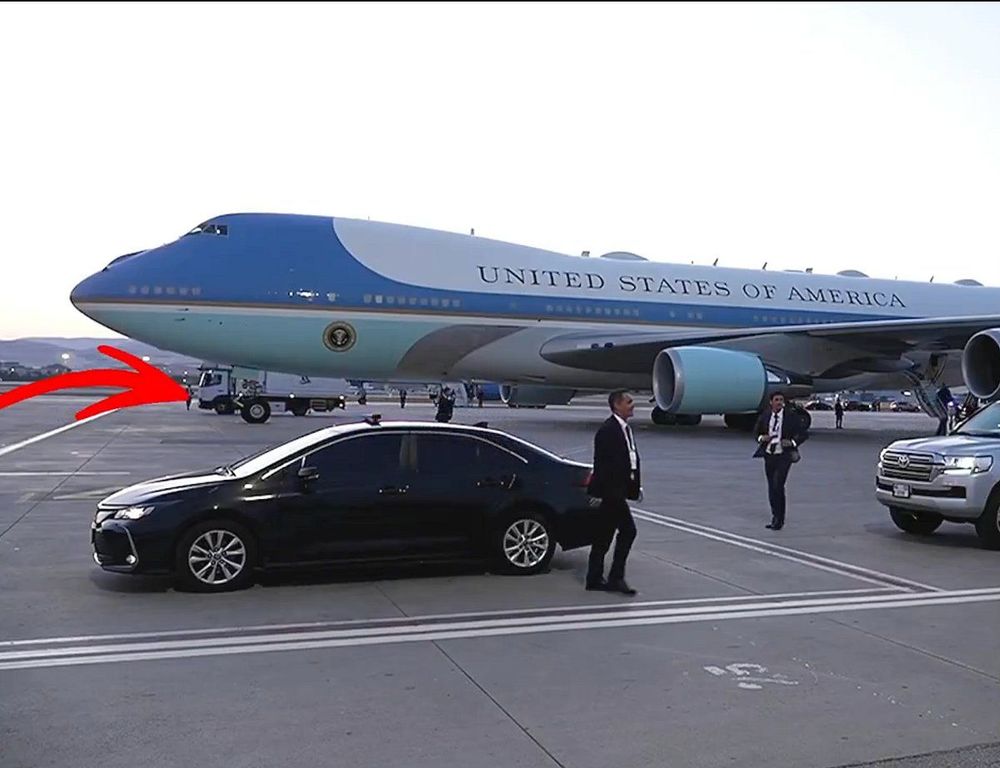
Trump's secret flight from Turkey: How a catering truck and a decoy plane evaded an Iranian threat
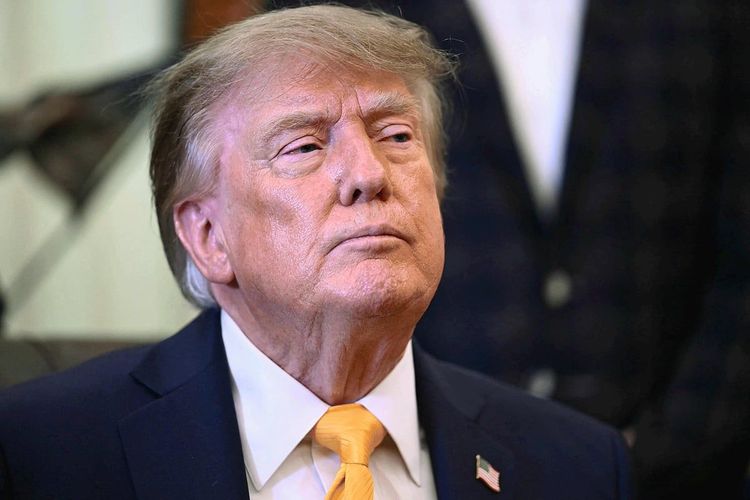
In a covert security operation that remained concealed for weeks, President Donald Trump departed a NATO summit in Turkey last month not aboard the aircraft the White House publicly announced, but on a smaller military jet after slipping away in an airport catering truck.
The maneuver, executed in response to a credible Iranian assassination threat, transformed the iconic blue-and-white Air Force One into an unwitting decoy carrying journalists and staff members who believed the president was aboard.
The threat landscape
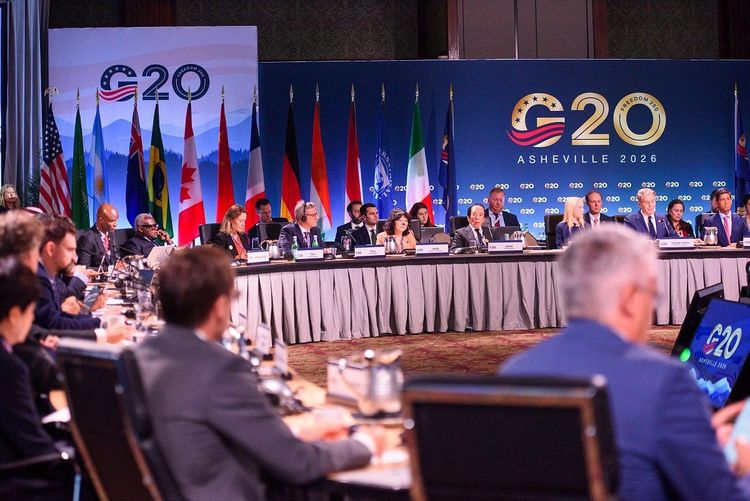
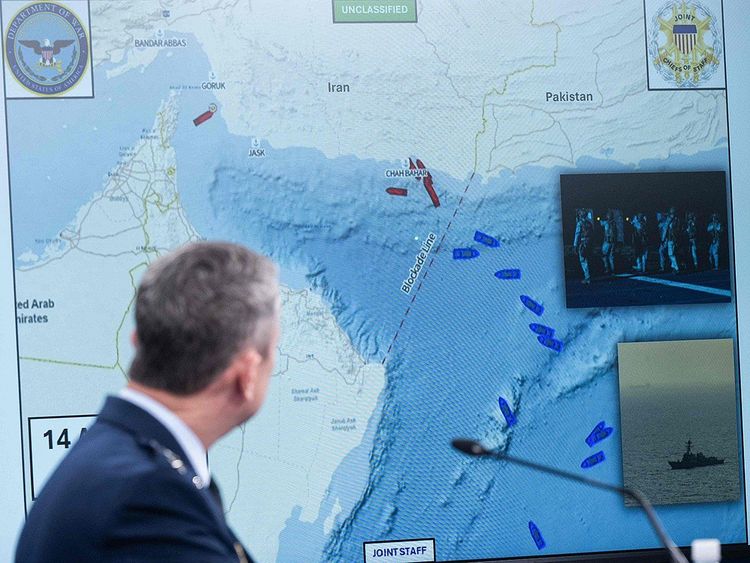
The operation unfolded on July 8 as Trump concluded the NATO summit in Ankara. Turkey, a NATO ally sharing a border with Iran, hosted the gathering amid renewed hostilities between the United States and Tehran. US forces had conducted fresh strikes on Iran the previous night after negotiations to end a months-long conflict collapsed.
Intelligence flagged a specific threat of an attack on the president or his aircraft. Iran has maintained a documented history of plots against American officials, with concerns intensifying after the US role in killing Iranian leaders, including Qassem Soleimani, chief of the Quds Force, an elite unit of Iran's Islamic Revolutionary Guard Corps classified as a foreign terrorist organization by the United States. Soleimani was killed on January 3, 2020, in a US airstrike ordered by President Trump at Baghdad International Airport during his first term.
Iran's pattern of targeting adversaries extends beyond rhetoric. In 2011, members of the Quds Force attempted to assassinate the Saudi Ambassador to the United States in Washington, recruiting what they believed were Mexican drug cartel members who turned out to be undercover operatives.
The deception unfolds
Trump had flown to Turkey aboard a newly-upgraded Boeing 747-8 gifted by Qatar and pressed into service as Air Force One. He announced on social media that he would return on the former Air Force One—the older, powder-blue jumbo jet—for old time's sake, while the Qatari plane would stop in Britain so troops could tour it.
That public narrative proved incomplete. According to reporting by The Washington Post, based on reviewed materials and officials familiar with the operation, Trump boarded the legacy Air Force One in full view of cameras in Ankara, waving as he ascended the stairs. Minutes later, he and several aides exited through a door on the opposite side of the aircraft, stepping into the elevated container of an airport catering truck typically used to load meals.
The truck lowered and drove a short distance to a nearby Air Force C-32A, a modified Boeing 757-200 with a maximum capacity of 45 passengers and 16 crew members, commonly used for transporting senior government officials and typically flying under the call sign Air Force Two during vice presidential missions. Defense Secretary Pete Hegseth boarded the C-32A separately.
The plane then flew to RAF Mildenhall, a Royal Air Force station in Suffolk, England, that primarily supports US Air Force operations and is home to the 100th Air Refueling Wing. It arrived under the nondescript call sign Reach 18, with its usual flight-tracking systems reportedly switched off, shortly before the decoy Air Force One.
Meanwhile, reporters and some White House staff boarded the legacy jet, still using the Air Force One call sign. They were instructed to keep their window shades closed—an unusual directive noted in contemporary pool reports. Trump later told reporters on the plane that it was probably on a dangerous flight and added,
But if I go, you go.
Once in Britain, Trump transferred back to the legacy Air Force One by means that remain unclear in public reporting. He then appeared before cameras, disembarked, and boarded the Qatari-gifted jet for the final leg home to Washington.
Historical precedent and press transparency
Presidential travel has long included contingency measures. In March 2000, President Bill Clinton used a similar decoy operation during a visit to Pakistan, with a jet bearing Air Force One markings landing while Clinton arrived on an unmarked plane. After the September 11 attacks, George W. Bush was taken to an undisclosed location.
However, a key difference distinguishes the two decoy operations. During the Clinton Pakistan visit, the White House briefed the head of the White House Correspondents' Association off-the-record beforehand. In contrast, the Trump press pool received no advance notification that they would serve as decoys.
The scale of this operation—and the fact that members of the press and some staff were not informed of their role—stands out in presidential security history. Security experts note that the highly visible presidential jumbo jet can itself become a target, making a lower-profile alternative safer in certain scenarios.
Official response and ongoing questions
The White House has not disputed the core facts of the operation. In response to questions, communications director Steven Cheung emphasized that the Qatari-gifted aircraft has high-level security protocols and that we use every tool at our disposal to address those threats.
The episode underscores both the persistent risks surrounding Trump's presidency and the extraordinary lengths US security officials are prepared to go to mitigate them. It also raises questions about transparency with the traveling press, who historically accompany presidents even into dangerous environments as representatives of the public.
For now, the full extent of the threat assessment and the precise mechanics of Trump's transfer in Britain remain partially opaque. What is clear is that for several critical hours in July, the plane the world believed carried the president of the United States did not.