Iran sets conditions for Hormuz reopening as Turkey defends new defence pact
Tehran demands US compensation and end to blockade before reopening strategic waterway, while Turkey says trilateral defence agreement with Saudi Arabia and Pakistan complements NATO commitments.
Iran sets conditions for Hormuz reopening
Iran has outlined a series of conditions the United States must meet before reopening the Strait of Hormuz, including lifting its naval blockade, withdrawing military forces from the region and paying compensation for alleged violations of a peace agreement signed in June.
Mohammad Bagher Zolghadr, secretary of Iran's Supreme National Security Council, said on Friday that Washington must also permanently end the war and release frozen Iranian assets before Tehran will allow unrestricted passage through the waterway.
The strait, which is approximately 21 nautical miles wide at its narrowest point, carries roughly 25 per cent of global oil trade and 19 per cent of liquefied natural gas exports. In 2025, about 20 million barrels of crude oil and petroleum products passed through the channel daily, with Asian countries receiving nearly 90 per cent of those flows.
Separate talks with Oman progress
Iran's Foreign Minister Abbas Araghchi said Tehran and Muscat are close to an agreement on managing traffic through the strait, but warned that reopening the waterway depends on broader conditions beyond those talks.
Oman's Foreign Ministry confirmed on Friday that negotiations with Iran were advancing positively, but condemned repeated attacks on vessels transiting the waterway. The ministry did not name Iran in its statement.
Brigadier General Hossein Mohebi, spokesperson for Iran's Islamic Revolutionary Guard Corps, told state media that reopening the strait is subject to Iran's own mechanisms and has nothing to do with the Oman negotiations.
US Vice President JD Vance said he expects Gulf oil and gas exports to return to pre-war levels once an agreement is reached, but added that Washington would judge Iran by its actions rather than statements.
Attack on ADNOC tanker
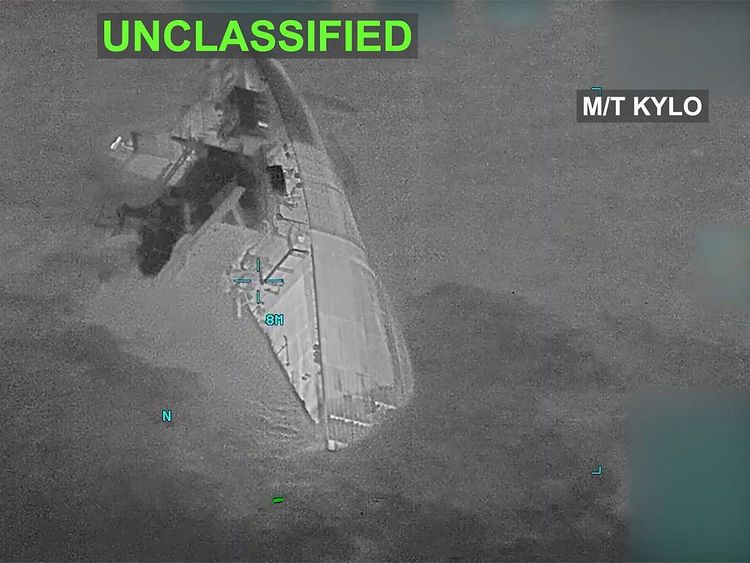
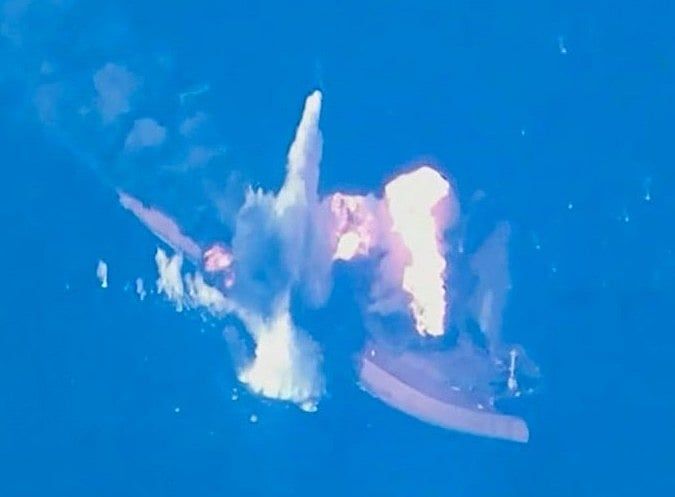
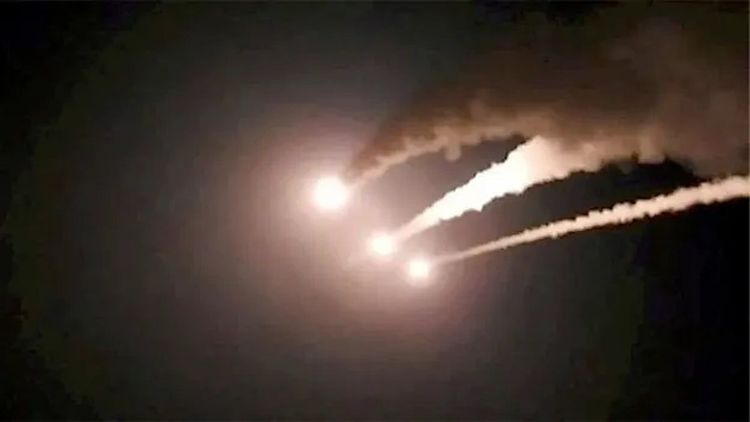
The developments came after a missile struck an ADNOC-affiliated tanker while it was transiting the Strait of Hormuz in the early hours of Saturday. The company confirmed the incident resulted in no injuries and that the situation had been brought under control.
The UAE strongly condemned the attack, describing it as a violation of UN Security Council Resolution 2817 and a direct threat to regional stability and global energy security. The resolution, adopted on 11 March with 13 votes in favour and two abstentions from China and Russia, was co-sponsored by a record 135 countries and condemned Iranian attacks against Gulf states and Jordan.
Qatar, Saudi Arabia and Kuwait also condemned the strike, with Doha warning against using the strait as a bargaining chip and calling for its unconditional reopening.
US blockade enforcement
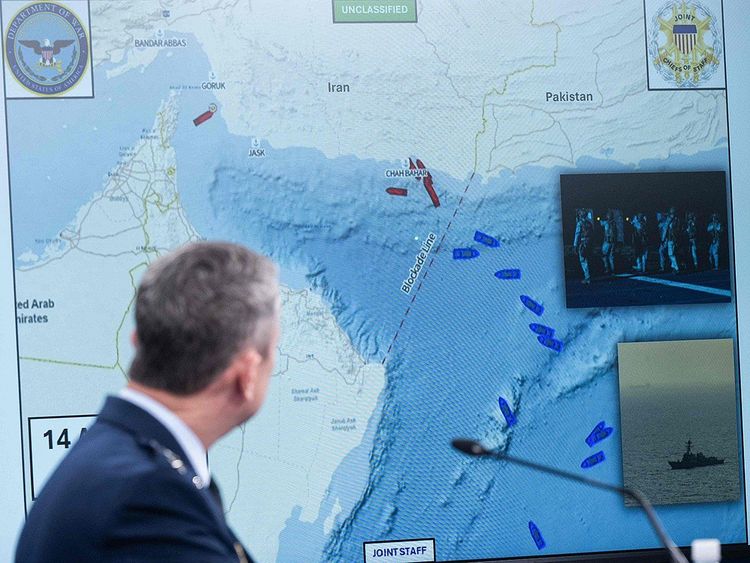
US Central Command said its forces had redirected 53 commercial vessels, disabled two and boarded two others as part of the blockade of Iranian ports and coastal areas as of 8 August. More than 30 vessels carrying humanitarian aid were allowed to pass.
Vance said Iran had assured Washington it has no plans to impose tolls on ships using the strait, though some Iranian officials had previously discussed such charges.
Defence pact controversy
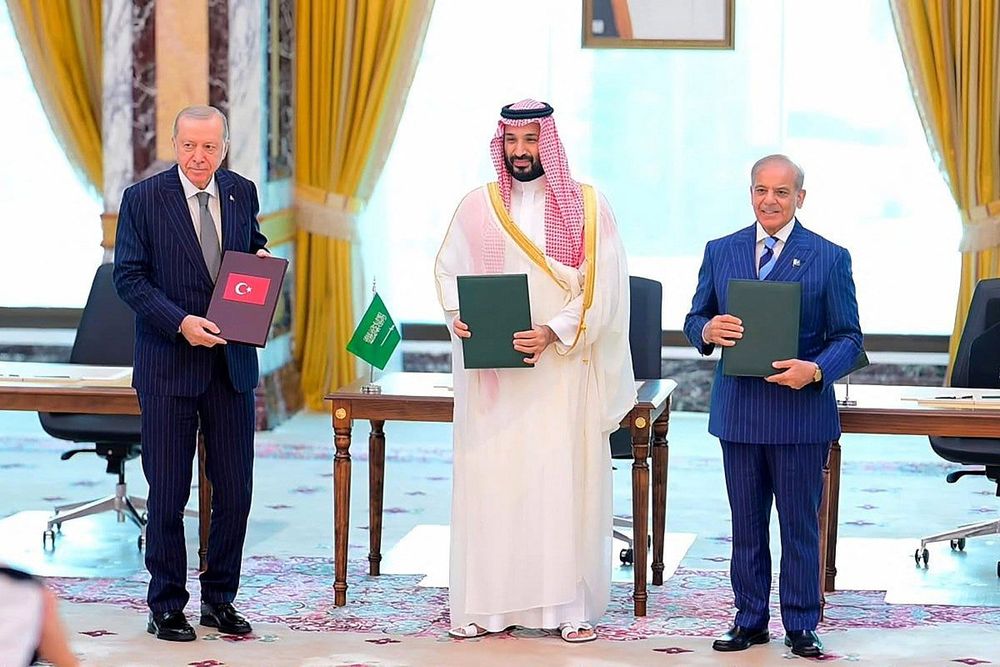
Turkey said its new defence agreement with Pakistan and Saudi Arabia does not contradict its commitments to NATO. The Mecca Joint Defence Agreement, signed on 7 August, establishes a trilateral mutual defence pact where an attack on one member is considered an attack on all.
The pact builds on a bilateral Strategic Mutual Defence Agreement signed by Saudi Arabia and Pakistan in September 2025. Turkey's government anti-disinformation service said the new agreement is an additional cooperation mechanism that supports regional security rather than an alternative to NATO membership.
Iranian president defends diplomacy
Iranian President Masoud Pezeshkian defended his administration's decision to negotiate with the United States, saying Tehran favours dialogue to protect national interests but will not be forced to surrender.
In an interview published on his official website on Friday, Pezeshkian said Iran will honour its commitments under the Islamabad Memorandum of Understanding provided Washington abides by its obligations. The agreement, signed on 17 June and brokered primarily by Pakistan with assistance from Qatar, Saudi Arabia, Turkey and Egypt, was intended to end the war between the two countries.
Under the memorandum, Iran agreed to arrange safe passage for commercial vessels through the Strait of Hormuz with no charge for 60 days, with demining to be completed within 30 days. Iranian officials now claim the United States has violated the agreement.
Pezeshkian refuted reports of his resignation earlier in the week, saying he would continue his work resolutely despite speculation about divisions within the Iranian establishment regarding the peace deal.