UAE condemns Iranian missile attack on ADNOC tanker in Strait of Hormuz
The UAE has strongly condemned Iran's missile attack on an ADNOC-affiliated tanker transiting the Strait of Hormuz, calling it a violation of UN Security Council Resolution 2817 and demanding an immediate halt to hostile actions.
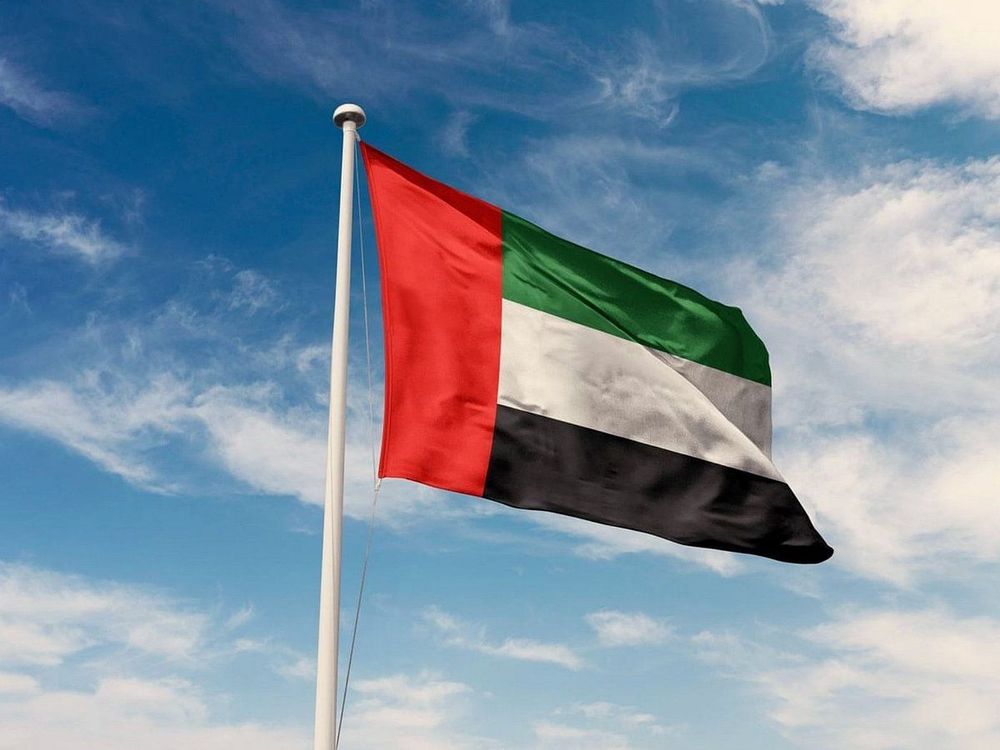
UAE condemns Iranian missile attack on ADNOC tanker in Strait of Hormuz
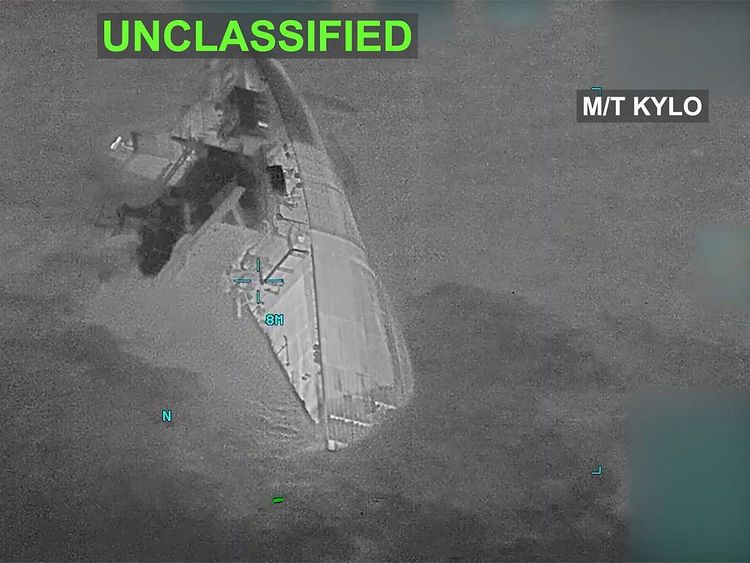
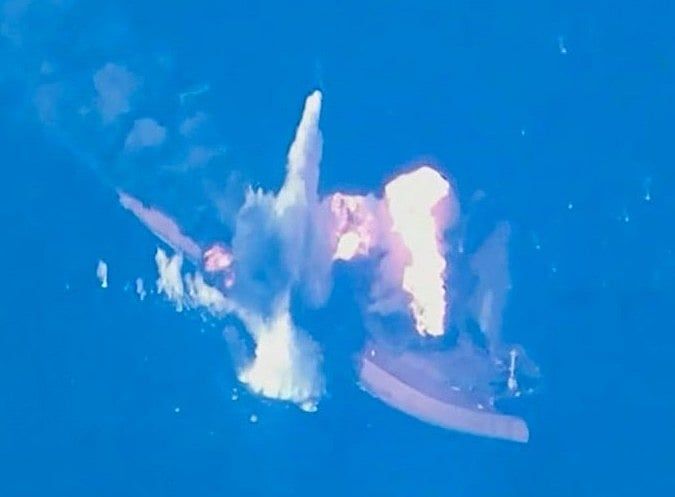
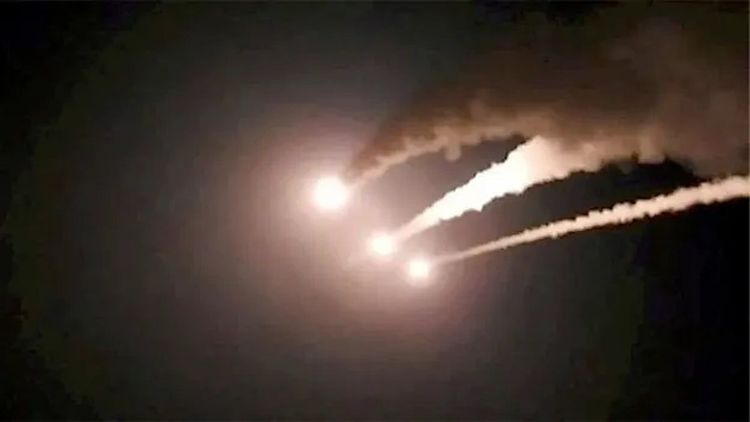
The United Arab Emirates has issued a strong condemnation following an Iranian missile attack on a tanker affiliated with Abu Dhabi National Oil Company (ADNOC) as the vessel transited through the Strait of Hormuz. The incident resulted in no casualties.
The UAE Ministry of Foreign Affairs characterized the attack as a flagrant violation of United Nations Security Council Resolution 2817, which was adopted on March 11, 2026, with a record-breaking 136 co-sponsors. The resolution affirms freedom of navigation and explicitly rejects attacks on commercial shipping or disruptions to international maritime routes.
ADNOC, the state-owned oil company of Abu Dhabi founded in 1971, ranks as the world's 12th largest oil company by production, with output of approximately 4 million barrels of oil per day. The company has recently expanded its crude carrier fleet to 14 very large crude carriers through a $1.3 billion investment, nearly doubling its capacity from eight vessels.
Strategic importance of the waterway
The Strait of Hormuz serves as a critical artery for global energy supplies, with approximately 20% of global oil consumption and 20% of global LNG trade passing through the waterway. The strait accounts for roughly 27% of all seaborne oil shipments worldwide, with about 84% of this crude oil destined for Asian markets. Under normal conditions, approximately 100 commercial vessels transit the strait daily, with 60-70% being oil tankers and gas carriers.
The strategic waterway measures only 21 nautical miles wide at its narrowest point, with designated shipping lanes just two miles wide each, separated by a two-mile buffer zone. This geographic constraint amplifies the vulnerability of commercial shipping in the area.
International response and demands
The Ministry of Foreign Affairs emphasized that targeting commercial vessels and using the Strait of Hormuz as a tool of pressure or economic coercion constitutes acts of piracy by Iran's Islamic Revolutionary Guard Corps. The ministry stated such actions pose a direct threat to regional stability, the security of peoples in the region, and global energy security.
The UAE has called on Iran to immediately halt hostile attacks, fully cease all acts of aggression, and reopen the Strait of Hormuz unconditionally. The statement stressed the need to safeguard regional security and ensure the stability of the global economy and international trade.
UN Security Council Resolution 2817 specifically condemns attacks against Gulf states and demands freedom of navigation through the Strait of Hormuz, representing the largest coalition of supporters for any Security Council resolution in history.
The attack on the ADNOC-affiliated vessel underscores ongoing tensions in one of the world's most critical maritime chokepoints, where disruptions have far-reaching implications for global energy markets and international commerce.