US-Iran Hormuz tensions: What UAE residents need to know today
Trump threatens to claim Strait of Hormuz as US territory while Iran rejects the move. ADNOC vessel attacked, shipping remains disrupted at 17% of normal levels, and flight cancellations continue affecting UAE travelers.
US-Iran Hormuz tensions: What UAE residents need to know today
Tensions between the United States and Iran over the Strait of Hormuz escalated further after President Donald Trump announced plans to declare the strategic waterway US territory. Iran swiftly rejected the claim, insisting the strait remains under Iranian authority and will only be opened or closed at Tehran's discretion.
For UAE residents, the developments continue to affect regional security, energy markets, shipping operations and air travel. The strait normally handles approximately 20 million barrels of oil per day, representing about 20% of global oil consumption and 25% of seaborne oil trade. Prior to the conflict, 96% of the UAE's LNG exports transited through the waterway, highlighting the country's significant economic exposure to the crisis.
ADNOC vessel attacked in Hormuz
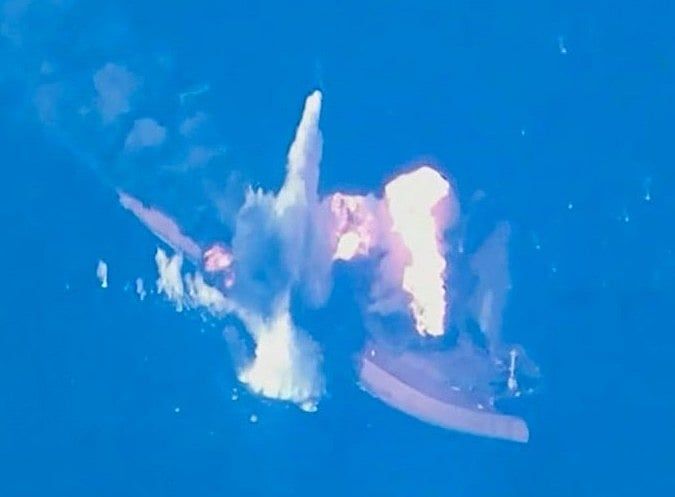
ADNOC confirmed that one of its vessels came under attack while transiting the Strait of Hormuz on Friday evening. The company reported no injuries and said the situation was brought under control. The incident marks the latest in a series of attacks on ADNOC shipping since the conflict began on February 28.
The UAE strongly condemned the targeting of two ADNOC-affiliated vessels, warning that attacks on commercial shipping threaten regional stability and global energy security. Saudi Arabia, Kuwait, Qatar, Jordan, Egypt and the Arab League also condemned the attacks, stressing the need to protect commercial shipping and freedom of navigation.
Shipping disruption continues
Maritime traffic through the Strait of Hormuz remains severely curtailed. Only 151 vessels passed through the waterway in the past seven days, compared to approximately 138 vessels daily under normal conditions. Current traffic stands at just 17% of pre-conflict levels, according to UK Maritime Trade Operations.
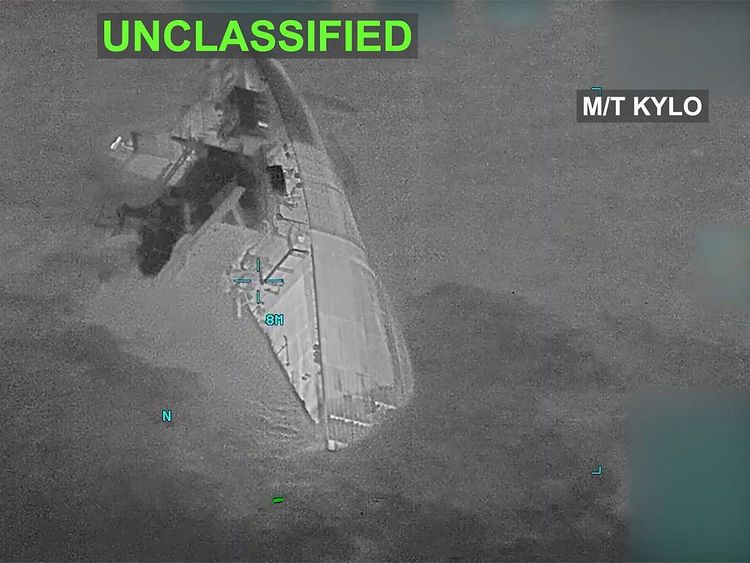
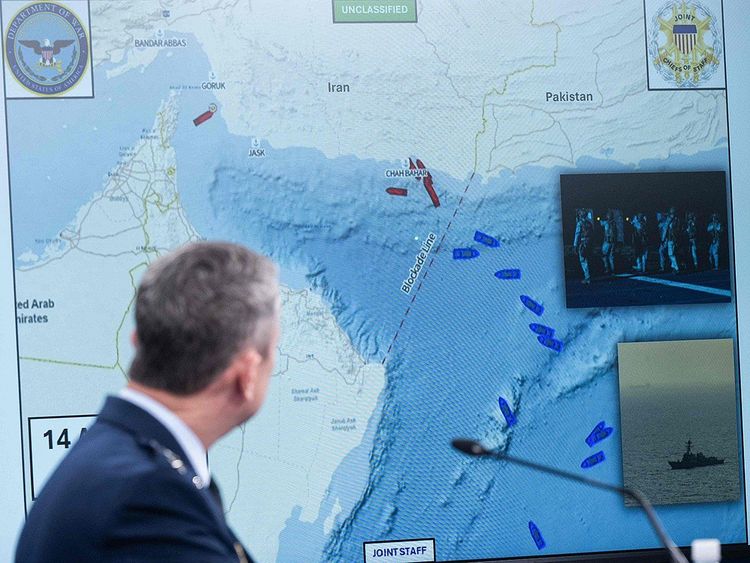
The US blockade of Iranian ports remains in place, with CENTCOM reporting that its forces have redirected 62 commercial vessels, disabled three and boarded two while enforcing the restrictions. There have been 56 reports of damage to vessels in the Strait of Hormuz and nearby waters since the war began, highlighting the persistent maritime security threat.
The Southern Omani route, promoted as an alternative corridor, has proven particularly dangerous. Since July 6, this route has accounted for 16 of 18 projectile strike incidents reported by UKMTO, making it the highest-risk transit option currently available.
UAE mitigating Hormuz dependency
The UAE has been working to reduce reliance on the Strait of Hormuz through alternative export infrastructure. The Habshan-Fujairah pipeline, which can transport up to 1.5 million barrels per day, has absorbed an increased share of exports. Fujairah's portion of total UAE exports rose to 66% in July 2026, up from 51% in June, as the country redirects shipments away from the contested waterway.
The UAE is on track to increase oil production to 5.2 million barrels per day by 2028 and plans to complete a second parallel oil pipeline to further reduce Hormuz dependency, strengthening the country's energy security position amid regional instability.
Trump defends Iran war policy
President Trump said he would "never apologise" for military action against Iran, arguing that higher petrol prices are a worthwhile cost to prevent Tehran from obtaining a nuclear weapon. "I did the right thing," Trump insisted, defending his administration's approach to the conflict.
Iranian Foreign Minister Abbas Araghchi said Tehran has not decided whether to resume negotiations with Washington, although Qatar and Pakistan have exchanged messages with both sides.
US carrier rotation underway
The USS George Washington is heading towards the Middle East and is expected to replace the USS Abraham Lincoln, which has been at sea for more than 260 consecutive days with only one brief port call in Guam on December 11-12, 2025. The extended deployment represents one of the longest carrier operations in recent US Navy history.
Flight disruptions persist
UAE travelers flying today should verify their flight status before heading to the airport. Etihad Airways continues to operate some Abu Dhabi-Bahrain services, while other flights on the route have been cancelled until August 21. Emirates' status for selected Dubai-Kuwait and Dubai-Bahrain services was unavailable at the time of checking, with the airline saying updates would be available 24 hours before departure.
Air Arabia has reported cancellations on several UAE-regional routes, while flydubai says its Kuwait, Bahrain and Saudi Arabia services are operating as scheduled. Several international airlines have also suspended or modified selected UAE and regional services. The European Union Aviation Safety Agency has extended its conflict-zone advisory covering Gulf airspace until August 31.
What residents should do
For UAE residents, the immediate priorities are to monitor official UAE and airline updates, check flight status before traveling, allow extra time at airports and avoid relying on unverified reports about the conflict. With shipping traffic still far below normal levels and tensions continuing between Washington and Tehran, developments around the waterway remain closely linked to regional security, fuel prices and travel disruption.