UAE condemns Iranian drone strike on Kurdistan PM's office in Erbil
The United Arab Emirates has strongly condemned an Iranian drone attack that targeted the private office of Kurdistan Regional Government Prime Minister Masrour Barzani and a senior security official's residence in Erbil, calling it a violation of Iraqi sovereignty.
UAE condemns Iranian drone strike on Kurdistan PM's office in Erbil
The United Arab Emirates has issued a sharp condemnation of an Iranian drone attack that struck the private office of Kurdistan Regional Government Prime Minister Masrour Barzani and the residence of the region's security agency director in Erbil on August 18, 2026.
The UAE Ministry of Foreign Affairs described the incident as a blatant violation of Iraqi sovereignty and a threat to regional security and stability. The ministry stated its full solidarity with Iraq and the Kurdistan Regional Government, expressing support for measures to preserve the country's security and stability.
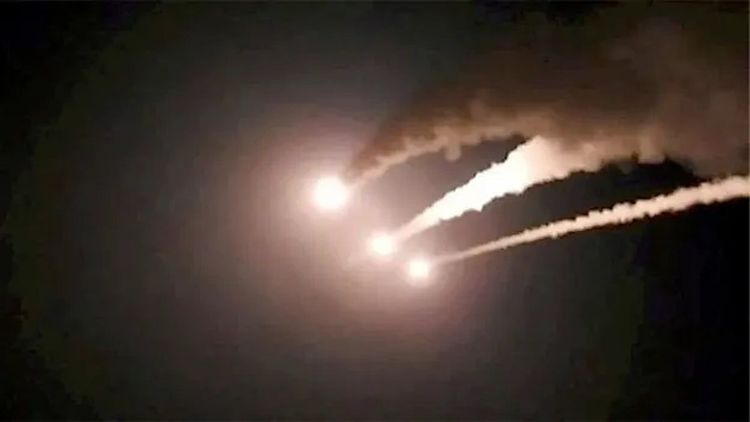
Two explosive-laden drones, identified by Kurdish authorities as Iranian-made Hadid-110 loitering munitions, were launched from Iranian territory and struck targets in the Pirmam area, approximately 30 kilometers north of Erbil. The capital city of the Kurdistan Region, home to roughly 1.2 million people and located about 80 kilometers east of Mosul, was the scene of the attack. No casualties were reported.
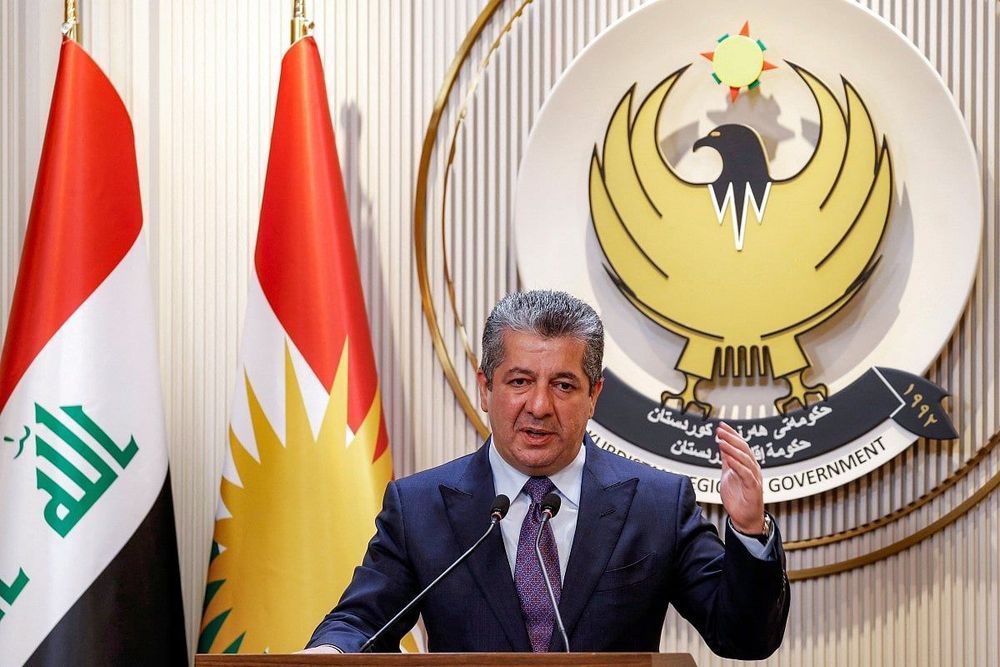
Prime Minister Barzani, who has led the Kurdistan Regional Government since June 2019 after receiving parliamentary approval with 87 votes out of 97 legislators, condemned the strikes as reckless and unacceptable. The prime minister, son of former Kurdistan Region President Masoud Barzani and member of the Kurdistan Democratic Party, called the attack a dangerous escalation and a direct threat to the region's security.
The Kurdistan Region of Iraq operates as a constitutionally recognized autonomous region under Iraq's 2005 constitution, with its own executive, legislative and judicial powers governing the provinces of Erbil, Sulaymaniyah, and Dohuk. The region's Counter-Terrorism Directorate also denounced the attack and warned that those responsible would face consequences.
Escalating Pattern of Attacks
The attack represents part of a sustained campaign of Iranian strikes on Iraqi Kurdistan that has intensified since the outbreak of wider regional conflict involving Iran, the United States, and Israel on February 28, 2026. Multiple sources indicate that Iran and Iranian-backed militias have launched hundreds of attacks on the Kurdistan Region since that date, resulting in casualties among Kurdish forces and opposition fighters.
Tehran has repeatedly targeted bases of Iranian Kurdish opposition groups operating from Iraqi Kurdistan, including the Democratic Party of Iranian Kurdistan, Komala, the Kurdistan Freedom Party, and the Kurdistan Free Life Party. Many of these groups have maintained bases in the region dating back to the Iran-Iraq War in the 1980s.
Iran views these opposition groups as security threats and has accused them of supporting anti-regime activities, leading Tehran to demand that Baghdad and the Kurdistan Regional Government disarm or expel them from Iraqi territory. The Kurdistan Regional Government has consistently stated that it does not allow its territory to be used for attacks against neighboring countries and has maintained a position of neutrality while condemning violations of its territorial sovereignty.
The UAE has previously issued similar condemnations of Iranian strikes on the Kurdistan Region, emphasizing the importance of respecting Iraqi sovereignty and maintaining regional stability. The ministry's statement underscored that such aggressive actions threaten the security framework of both Iraq and the broader region.