US-Iran conflict shifts to prolonged political and economic struggle
After five months of military confrontation, Washington and Tehran transition from battlefield objectives to a strategic competition focused on political endurance, economic pressure and diplomatic leverage.
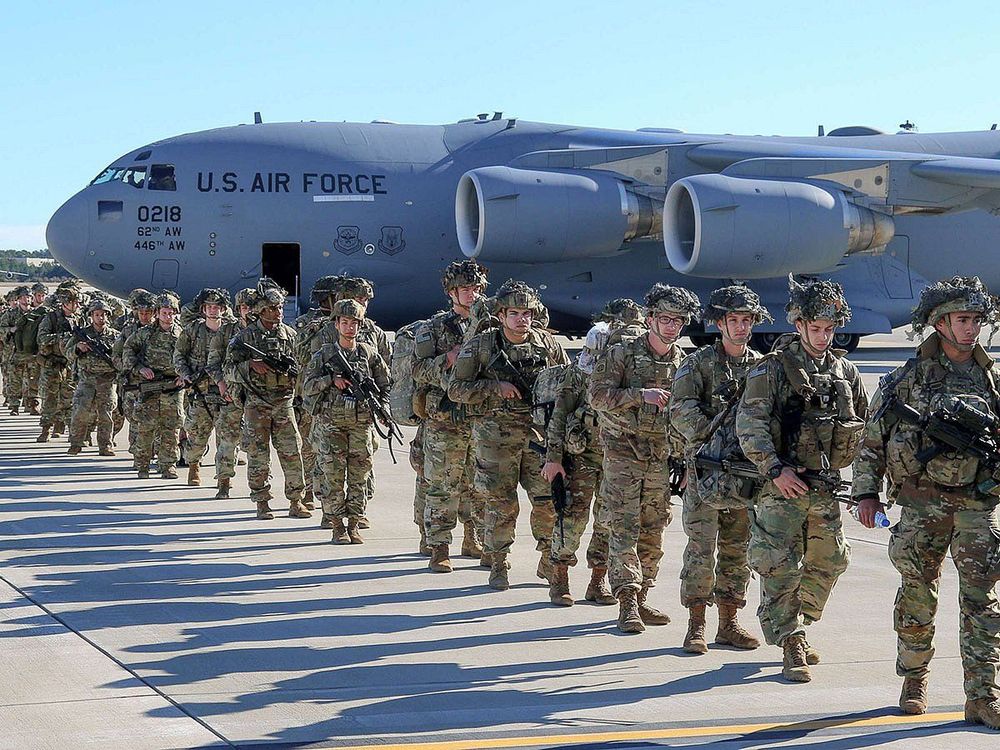
US–Iran conflict enters new phase of political attrition
The confrontation between the United States and Iran has evolved beyond traditional military engagement into a complex struggle defined by political influence and strategic resilience, according to regional security analysts.
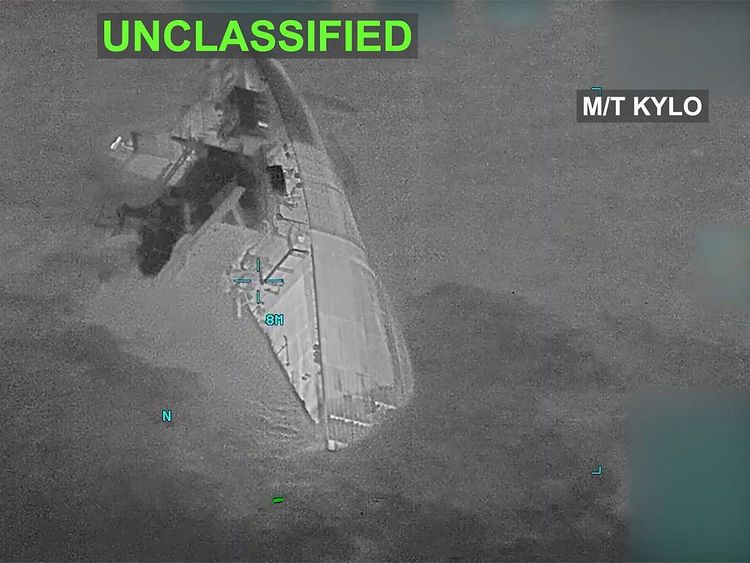
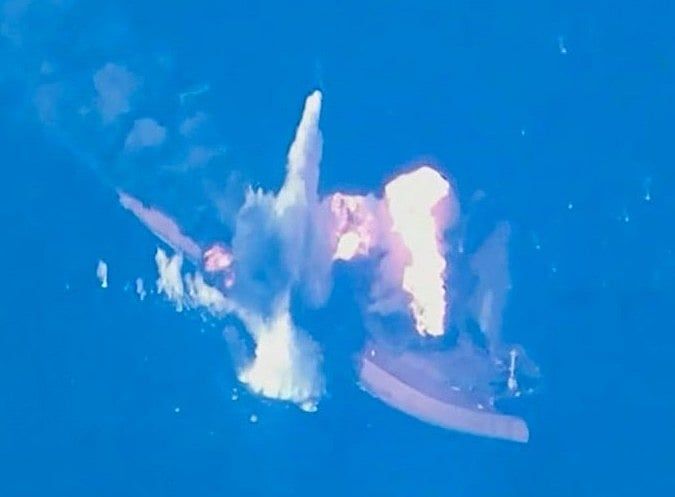
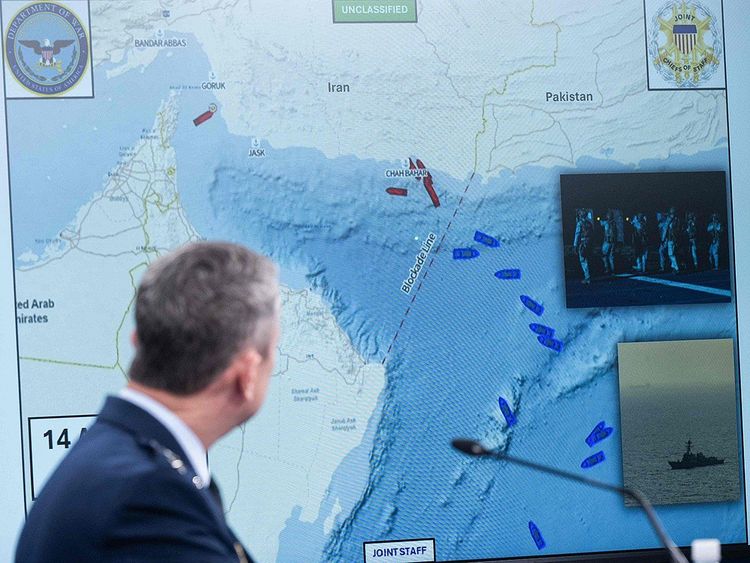
In the opening months of hostilities, Washington pursued clear military aims: degrading Tehran's missile and drone infrastructure, dismantling air defence networks, neutralising naval threats and preventing force reconstitution. Iran countered by targeting maritime routes and energy facilities across the region, demonstrating its capacity to sustain a protracted conflict.
Five months into the confrontation, both nations face a transformed strategic landscape. The United States has achieved significant tactical victories, substantially weakening Iranian military capabilities. However, these battlefield successes have not translated into forcing fundamental changes in Tehran's regional conduct. Iran, meanwhile, has successfully imposed global costs on the conflict but confronts intensifying economic and military pressures that make indefinite confrontation increasingly unsustainable.
From military victory to political leverage
The central question has shifted from determining a military victor to establishing who will dictate the terms of any future settlement. This transformation marks entry into what security experts characterise as political attrition—a phase where success is measured not by destroyed capabilities but by undermined political will, economic resilience, diplomatic standing and negotiating advantage.
Both adversaries now concentrate on shaping the political framework for potential future negotiations rather than pursuing decisive military outcomes. This strategic recalibration explains the seemingly paradoxical situation where threats and military posturing coexist with signals of diplomatic openness.
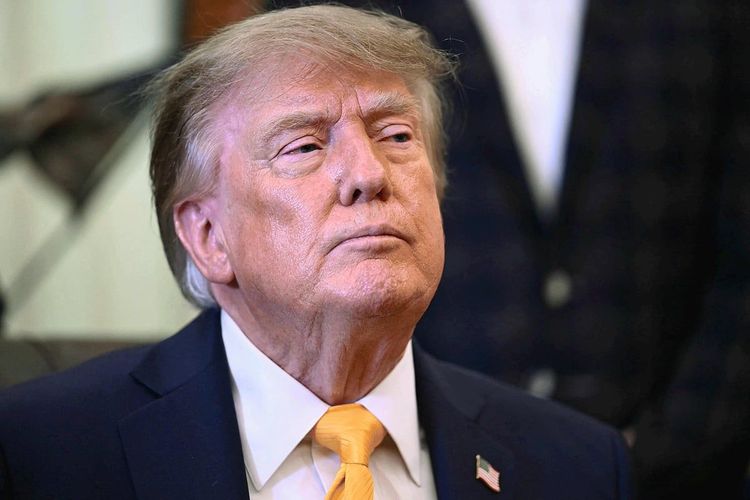
The Trump administration has indicated willingness to negotiate a new agreement under appropriate conditions. Iranian officials, while publicly denying active negotiations, have not closed the door on indirect communication channels or regional mediation efforts.
This duality reflects deliberate crisis management strategy. Military and media escalation serve as tools to strengthen negotiating positions rather than precursors to full-scale war. Escalation and diplomacy have become complementary instruments rather than opposing paths.
Strategic evolution
Washington's approach has broadened from initial direct military deterrence to a comprehensive strategy integrating military pressure with intensified economic sanctions designed to further isolate Tehran financially. This reflects American efforts to maximise pressure while avoiding the costs of total war.
Iran responds by demonstrating its capacity to withstand combined political, economic and military pressure, positioning itself to negotiate from relative strength despite mounting challenges.
Regional actors have assumed greater importance as mediators, with neither Washington nor Tehran seeking comprehensive confrontation. Third parties now play crucial roles in containing escalation while preserving communication channels.
Prolonged uncertainty
While political attrition may reduce immediate war risks, it creates conditions for extended and unpredictable geostrategic competition. Without substantial concessions from either side, the conflict appears likely to persist through periodic crises, economic coercion, cyber operations, proxy activities and calculated military incidents.
Rather than resolving the confrontation, this phase risks institutionalising it. The resulting uncertainty extends beyond the two adversaries. Regional states dependent on stable maritime routes and uninterrupted energy exports remain exposed to unpredictable escalation. Global markets continue reacting to political signals alongside military developments.
Political attrition should not be mistaken for reduced danger. Prolonged conflict without clear political frameworks increases the likelihood that miscalculation, unintended incidents or proxy escalation could overwhelm containment efforts and trigger comprehensive war. The absence of active combat operations does not indicate stability but signals transition to a more complex and enduring conflict form.
The path forward
The confrontation now centres on sustained competition over political influence and strategic endurance. The transition to political attrition reflects mutual recognition that military deterrence alone cannot achieve long-term objectives. Future developments depend heavily on both sides' ability to maintain political, economic and diplomatic pressure while shaping conditions for potential settlement.
Whether this phase ultimately produces negotiated resolution or renewed escalation cycles will depend on how effectively the United States and Iran balance coercion with diplomacy in the months ahead.