US-Iran tensions escalate as Trump claims control of Hormuz Strait
Iranian Foreign Minister Araghchi rejects US President Trump's assertion of total control over the Strait of Hormuz, while UAE residents face potential flight disruptions on regional and India routes.
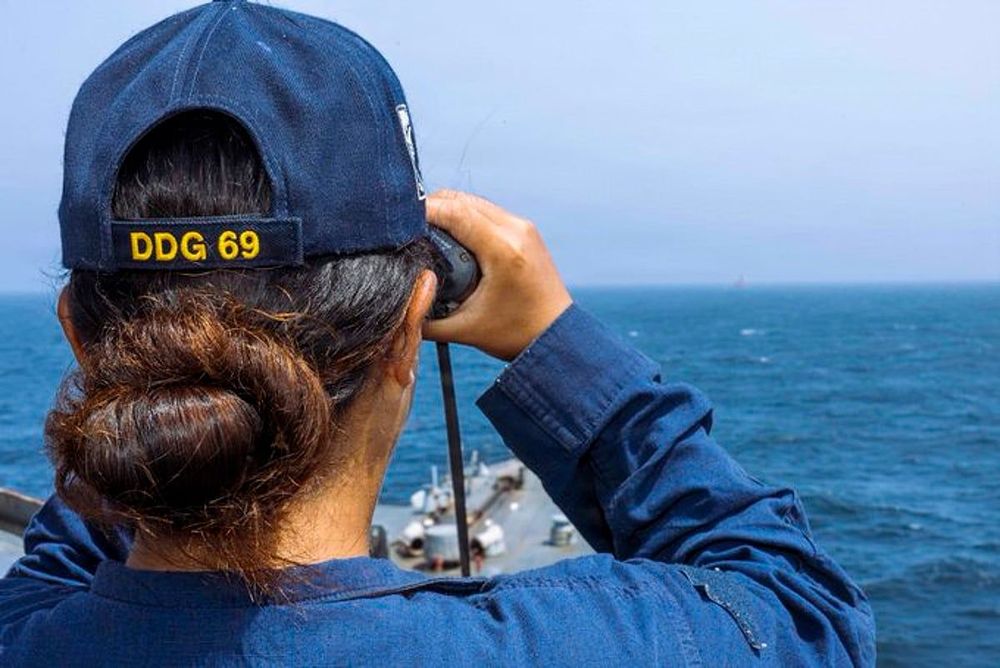
US-Iran tensions escalate as Trump claims control of Hormuz Strait
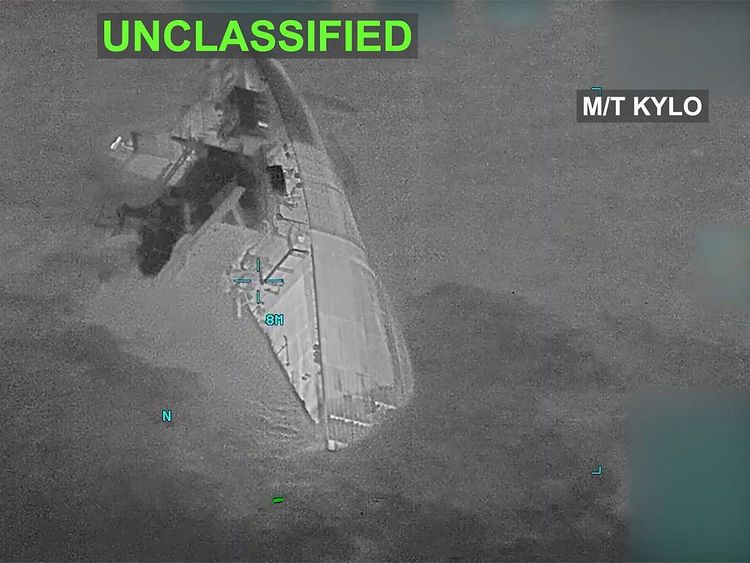
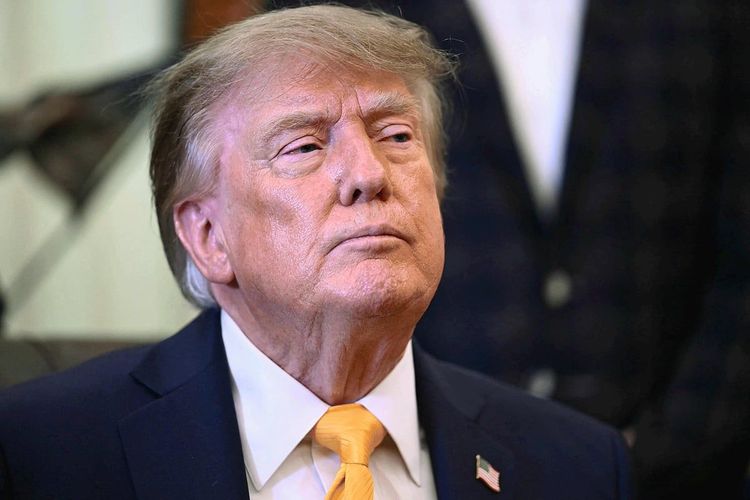
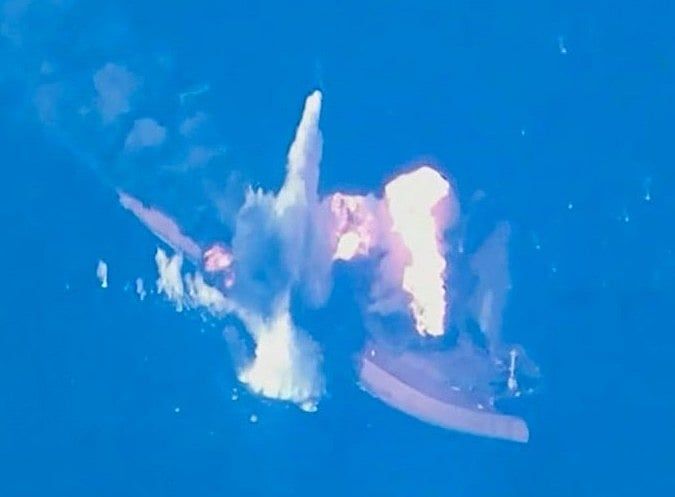
Tensions between Washington and Tehran intensified on Thursday as Iranian Foreign Minister Seyed Abbas Araghchi dismissed US President Donald Trump's claim that the United States has achieved "total control" over the Strait of Hormuz.
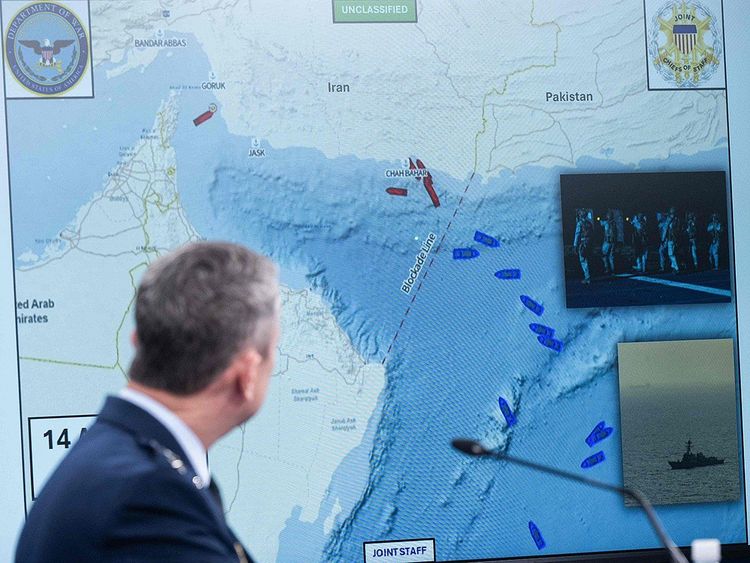
In a post on social media platform X, Araghchi accused the US of repeated intelligence failures and cautioned against what he characterised as another miscalculation involving the strategic waterway. His comments came in response to Trump's declaration that Washington's naval blockade represents a "wall of steel" that Iran "cannot challenge."
The exchange follows a Washington Post report indicating that US intelligence officials had low confidence in an alleged Iranian threat against Trump prior to his transfer to an alternate aircraft while departing Turkey after last month's NATO summit.
The disagreement over the Strait of Hormuz carries significant implications for the Gulf region, given the waterway's critical role in global energy supplies and international shipping.
Iran signals more aggressive stance
Brigadier General Rasoul Sanaei-Rad warned that Iran would respond "more aggressively" in any future round of conflict, according to Iran's Fars news agency. The statement adds to uncertainty over regional security as diplomatic and military activity continues across the Gulf and wider Middle East.
New defence framework emerges
Saudi Arabia, Pakistan and Turkey announced they will establish a joint political and military mechanism under the Mecca Joint Defence Agreement signed on 7 August, Turkey's Defence Ministry confirmed. The agreement strengthens security cooperation between the three countries amid persistent regional tensions.
In a separate development, an Iraqi security delegation arrived in Riyadh for high-level discussions on regional security and shared strategic interests, the Iraqi News Agency reported.
Southern Lebanon sees continued strikes
Lebanese President Joseph Aoun and Prime Minister Nawaf Salam held talks on developments in southern Lebanon, where Israeli strikes have continued despite a US-brokered framework calling for a ceasefire. The Lebanese presidency said the meeting addressed the strikes and damage to homes and infrastructure in towns and villages across the south.
Kuwait arrests alleged ISIS suspects
Kuwaiti authorities detained three individuals accused of belonging to ISIS and plotting attacks against a Shia mosque and other key facilities, a security source told AFP. The arrests come as Gulf states maintain heightened security measures amid continuing regional instability.
Travel advisory for UAE residents
Emirates, Etihad Airways, Air Arabia and flydubai continue operating services, though some flights to Bahrain, Kuwait and Saudi Arabia have been cancelled or remain subject to schedule changes. Travellers should verify flight status directly with their airline before departing for the airport and allow extra time for journeys involving connections or regional destinations affected by the current situation.
India travel considerations
Passengers travelling to India face additional considerations ahead of the country's Independence Day on 15 August. Airports in Delhi, Mumbai, Bengaluru, Kochi and Thiruvananthapuram have advised passengers to arrive early, as additional security checks may increase processing times.
Air India, IndiGo and SpiceJet have also advised passengers travelling during the Independence Day period to allow extra time for security screening, check-in and other airport procedures. UAE residents flying to India should check their airline's latest notification before leaving home, as flight timings and airport procedures can change at short notice.