Strait of Hormuz crisis: What UAE residents need to know as Iran sets conditions for reopening
Iran demands US withdrawal and sanctions relief before reopening the Strait of Hormuz. UAE flights mostly operating but regional routes face disruptions as diplomatic talks continue.
Iran sets stringent conditions for waterway access
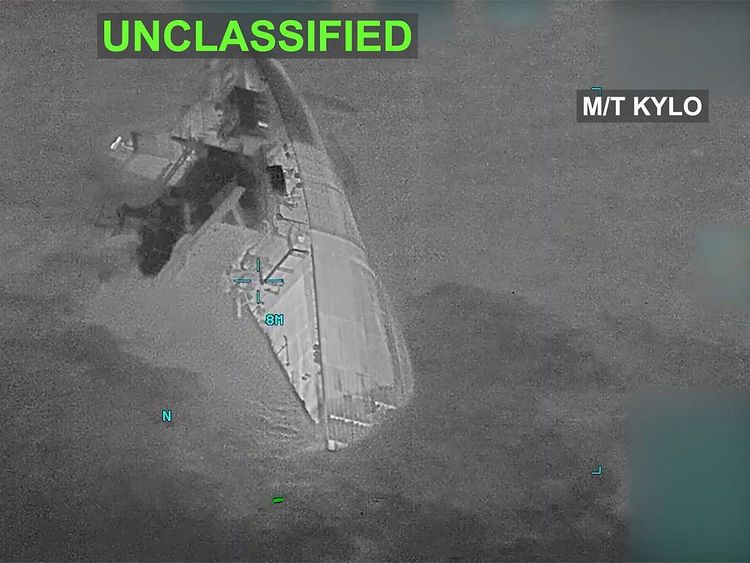
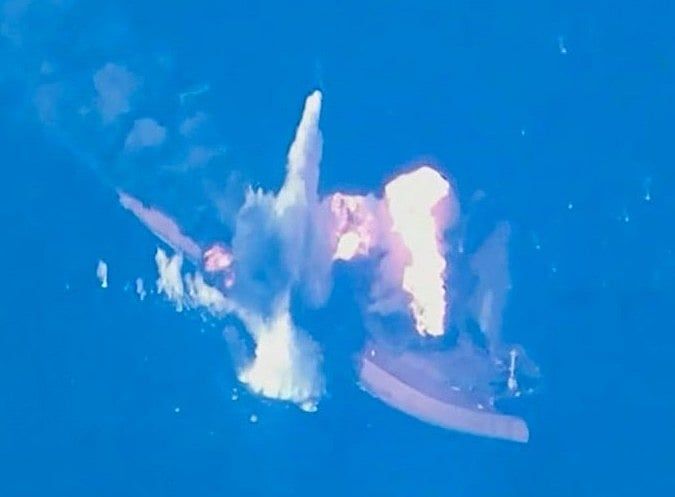
The US-Iran standoff over the Strait of Hormuz remains unresolved as diplomatic efforts led by Oman continue without a breakthrough. Iran has made clear that reopening the strategic waterway depends on Washington meeting a comprehensive list of demands, while UAE residents face ongoing disruptions to regional travel and heightened security concerns.
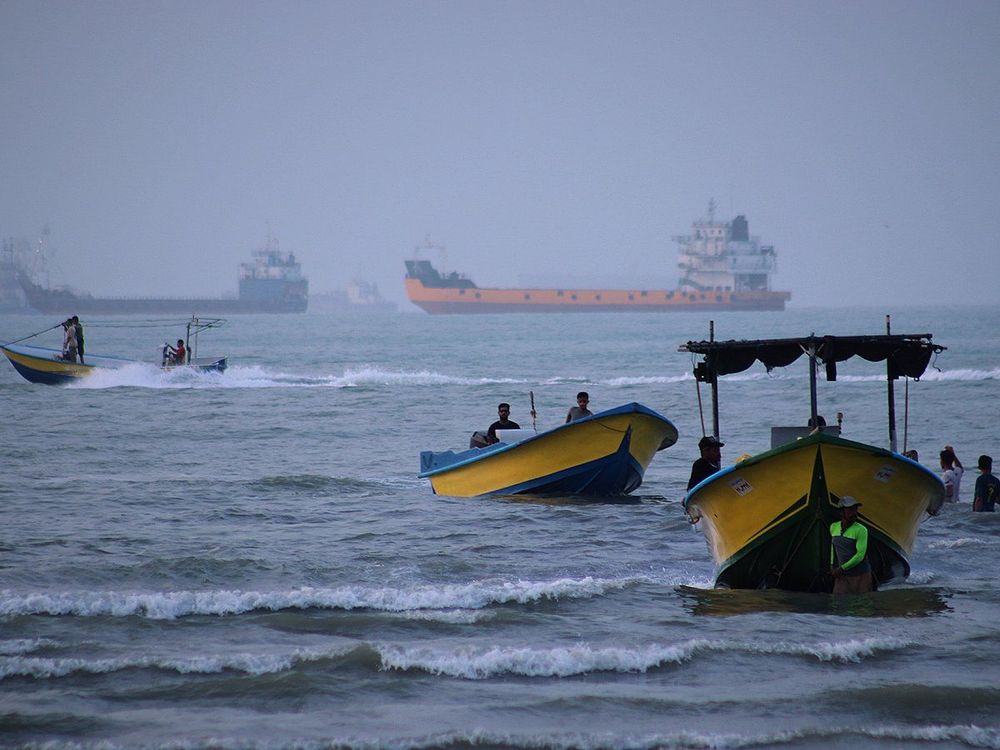
The Strait of Hormuz, a narrow 21-mile-wide passage between Iran and Oman handling over 30,000 vessels annually, carries nearly 15 million barrels of crude oil per day, representing approximately 34% of global crude oil trade. This makes it one of the world's most critical energy chokepoints, with Asian countries receiving 89.2% of the crude oil flows. China alone receives 37.7% of all oil exports passing through the strait.
For the UAE, the stakes are particularly high. About 96% of the country's LNG exports transit through the Strait of Hormuz, representing 19% of global LNG trade. The closure also threatens Dubai's Jebel Ali Port, which handles 15.5 million TEUs annually as the Middle East's primary transshipment node, with 65% of arriving cargo redistributed across the region.
Iran's Revolutionary Guards said on Sunday that the Strait of Hormuz would not be reopened until the United States accepts Tehran's demands. Guards spokesman Hossein Mohebi described the strait as a theatre of war rather than simply a shipping route, saying Iran's strategy was to maintain control until its conditions were met.
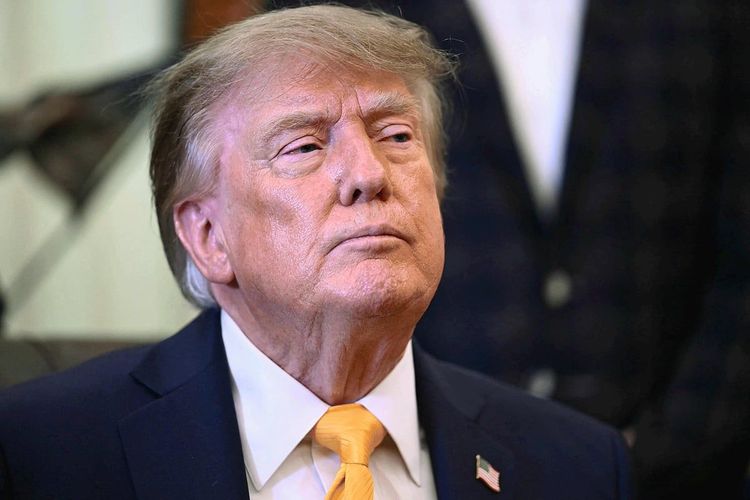
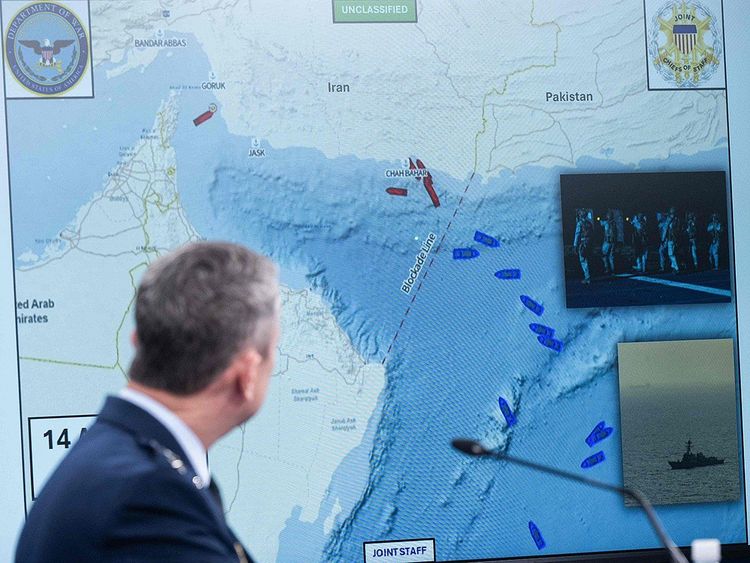
Iran's Supreme National Security Council issued demands including a permanent end to US military action against Iran and its regional allies, the lifting of sanctions, withdrawal of US forces from the region, an end to the naval blockade of Iranian ports, compensation for war-related damage, and the unconditional release of frozen Iranian assets.
The extensive list of demands could complicate ongoing mediation efforts by Oman, which has a long history of facilitating dialogue between Washington and Tehran. Muscat hosted secret US-Iran talks in 2013 that laid the groundwork for the 2015 nuclear deal and previously mediated the release of American hikers detained in Iran in 2011.
Netanyahu vows to prevent Iranian nuclear weapons
Israeli Prime Minister Benjamin Netanyahu said on Sunday that Israel would continue to prevent Iran from obtaining nuclear weapons regardless of whether diplomacy produces an agreement. During a cabinet meeting, Netanyahu stated that with an agreement or without an agreement, Iran would not have nuclear weapons as long as he remained prime minister. His comments underline the gap between diplomatic efforts and Israel's stated position on Iran's nuclear programme.
Supreme Leader meets president amid health speculation
Iranian channels affiliated with Supreme Leader Mojtaba Khamenei reported that he met President Masoud Pezeshkian on Sunday. If confirmed, it would be Khamenei's first reported meeting with the president after months of speculation over his health and a prolonged absence from public view.
Mojtaba Khamenei was named Iran's new Supreme Leader on March 8, 2026, approximately one week after his father Ali Khamenei was assassinated in joint US-Israeli strikes, making him the third Supreme Leader in Iran's history at age 56.
The reported meeting focused on domestic and economic issues, including people's livelihoods, military developments, resource management, government spending and strengthening Iran's economic ties with foreign partners. Separately, Iran's semi-official Mehr News Agency released a 12-second, undated video showing Khamenei seated and speaking with officials and advisers, though the footage did not provide independent evidence of his current health.
Regional conflict spreads to Yemen and Saudi Arabia
Yemen's Iran-backed Houthi movement said on Sunday that it had targeted an Aramco oil facility in Jazan on Saudi Arabia's Red Sea coast with a drone. The group also claimed it had attacked Saudi forces and weapons depots in the Mokha area of Yemen's Red Sea coast using ballistic missiles and drones. The claims could not be independently verified.
Flight disruptions continue for UAE travellers
For people flying from Dubai, Abu Dhabi or Sharjah, most UAE air services are operating but selected regional routes remain subject to disruption. UAE airlines including Emirates, Etihad Airways and Air Arabia have experienced hundreds of flight delays and cancellations to regional destinations including Bahrain and Kuwait, with Air Arabia recording the highest disruption among UAE carriers.
The European Union Aviation Safety Agency has extended its conflict zone information bulletin covering UAE, Bahrain, Kuwait, Qatar and parts of the Gulf of Oman airspace until August 31, 2026, due to military activity and air defense risks.
Dubai International Airport is urging passengers to allow additional time because of the busy summer travel period. Travellers should check flight status before leaving home, allow at least three hours before departure, use online check-in where available, and ensure mobile numbers and email addresses are up to date with airlines. Flight schedules can change with little warning during periods of regional uncertainty.
UAE infrastructure provides partial mitigation
The UAE has operational bypass pipelines that can partially circumvent the Strait of Hormuz, including the 1.5 million barrel per day Abu Dhabi Crude Oil Pipeline running from Habshan to Fujairah on the Gulf of Oman. This infrastructure, which only Saudi Arabia and the UAE possess in the region, provides limited relief but cannot fully offset the economic impact of a prolonged strait closure.
For UAE residents, the wider picture remains one of diplomacy under pressure. Oman-led efforts to find a workable arrangement for the Strait of Hormuz are continuing, but Iran's demands for a broader change in US policy mean a quick return to normal shipping remains uncertain. Continued attacks involving Iran-backed groups and the possibility of further regional disruption mean travellers, businesses and shipping operators across the Gulf are likely to remain cautious.