US-Iran standoff: What UAE residents need to know on August 18, 2026
The 60-day diplomatic deadline has expired without a settlement as Tehran reinforces hard-line security leadership and regional drone attacks highlight the risk of spillover across borders.
Diplomatic deadline passes without resolution
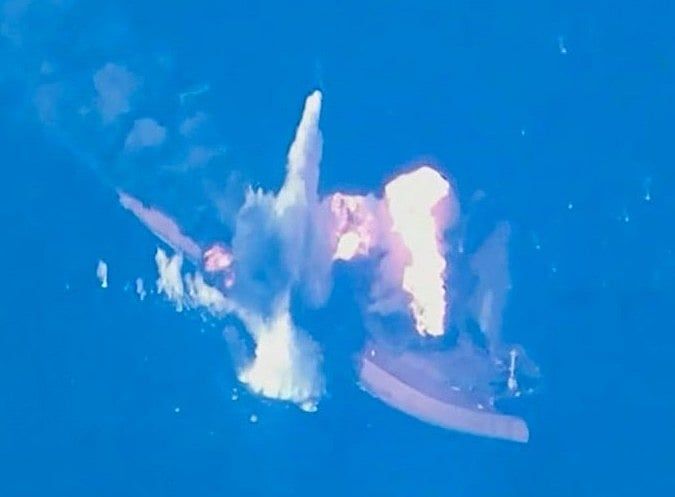
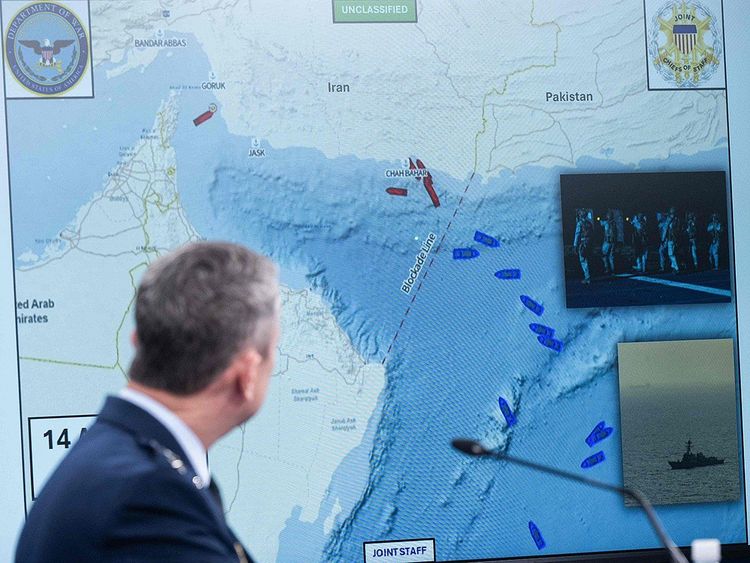
The 60-day period tied to the US-Iran agreement expired Monday without a comprehensive settlement. The agreement had been intended to halt the fighting, ease the US blockade and eventually reopen the Strait of Hormuz. Instead, both sides remain far apart over the conditions for reopening the waterway and the future of the US military presence.
Key provisions of the agreement were never implemented. Tehran is now considering a more offensive military posture if diplomacy fails. That does not necessarily mean an immediate return to all-out war. Back-channel diplomacy is continuing, but the absence of a formal extension means the risk of renewed escalation remains high.
Negotiations continue amid diverging expectations
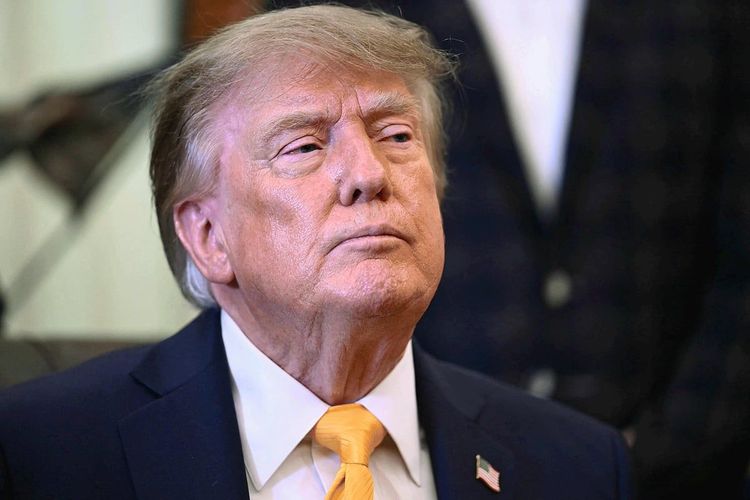
Washington and Tehran are still talking, but the two sides appear to have very different expectations. Jared Kushner, one of President Trump's senior envoys, said Monday that Washington was engaged in robust and positive discussions with Iran. He also said Tehran was not yet prepared to accept the agreement the US wants.
Oman remains important in the diplomatic effort. The sultanate hosted secret US-Iran talks in 2013 that laid the groundwork for the 2015 nuclear deal, and has historically mediated prisoner releases and crisis communications between Washington and Tehran. Trump has also threatened Oman over its role in negotiations, adding another layer of uncertainty to the diplomatic effort.
Why the Strait of Hormuz remains critical
The waterway is one of the world's most important energy corridors. Under normal conditions, approximately 20 million barrels per day of crude oil and petroleum products transit through the strait, representing roughly 20 to 25 percent of global seaborne oil trade and about one-fifth of world oil consumption. The strait also handles approximately 20 percent of global liquefied natural gas trade.
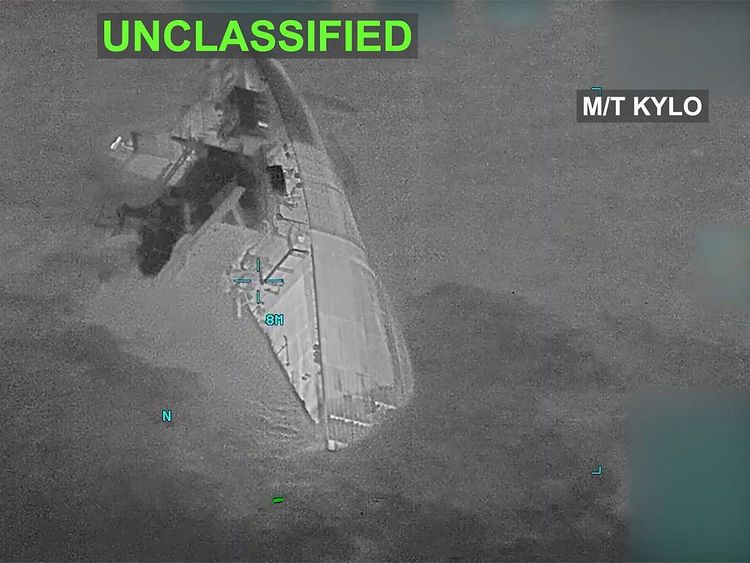
Iran has insisted that the strait will not return to normal without changes to the US blockade and other terms. Washington, meanwhile, has demanded freedom of navigation. The UAE has previously condemned Iran's actions involving the strait, including the attacks on UAE-owned ships, and supported international efforts to protect freedom of navigation.
The prolonged disruption has already affected oil flows, shipping costs and fuel prices. About 96 percent of the UAE's LNG exports pass through the strait, while China, India, Japan and South Korea receive approximately two-thirds of all crude oil flowing through Hormuz, with Asian markets overall accounting for more than 80 percent of the strait's oil traffic.
Military rhetoric intensifies
The rhetoric is becoming more aggressive. Iranian lawmaker and former foreign minister Manouchehr Mottaki said Iran could settle the conflict by capturing a single US military base in the region, citing possible targets in Iraq, Kuwait or Bahrain. The comments underscore the increasingly explicit discussion inside Iran of targeting US positions in the Gulf.
Such statements are political rhetoric, not evidence that an attack on a particular base is imminent. But they illustrate how quickly the conflict could widen if diplomacy collapses.
Drone attack in Iraqi Kurdistan
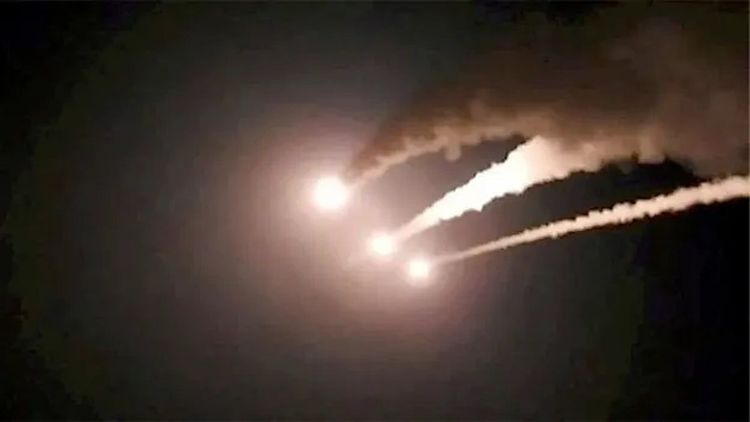
Two drones struck the office of Iraqi Kurdistan's prime minister in Erbil on Monday. Kurdish authorities said the drones were launched from Iranian territory and that there were no casualties. The UAE strongly condemned the attack.
The incident matters as it shows that the Gulf, the Red Sea and other parts of the region remain vulnerable to spillover. Iran has also rejected responsibility for some attacks in the region, making attribution another potential source of escalation.
Iran's security leadership reshuffle
Iran's new Supreme Leader, Mojtaba Khamenei, has been consolidating his security establishment with experienced hard-line commanders. Mojtaba Khamenei, 56, was named Supreme Leader on March 8, 2026, by the Assembly of Experts approximately one week after the assassination of his father, Ali Khamenei, in joint US-Israeli strikes. He is the third Supreme Leader in Iran's history.
Among the recent changes are the elevation of Ahmad Vahidi as head of the Islamic Revolutionary Guard Corps and Hossein Taeb in charge of the Basij. Vahidi is a veteran intelligence operative who previously served as the founding commander of the Quds Force, Iran's defense minister and interior minister. He is wanted by Interpol over alleged involvement in the 1994 AMIA bombing in Buenos Aires that killed 85 people.
The appointments suggest that Tehran is preparing its security institutions for a potentially prolonged confrontation rather than betting everything on a quick diplomatic settlement. That makes the prospect of a quick end to the conflict less certain.
What air travelers should expect
Regional airlines have continued operating many services, but some routes have been cancelled, suspended or adjusted because of the security situation. Recent updates have included cancellations affecting services to destinations such as Bahrain and Kuwait, while individual flights may continue to operate.
For passengers, the safest approach is to:
- Check flight status before leaving for the airport
- Allow additional time at the airport
- Expect possible rerouting or schedule changes
- Verify the status of both legs when connecting through another Gulf airport
The regional aviation picture can change quickly as airspace restrictions and military activity evolve.
Impact on oil prices and the UAE economy
Oil prices across the world have already been affected by fears of prolonged disruption, while higher insurance and freight costs can feed into the price of goods transported through the region.
For UAE residents, however, the immediate impact is unlikely to be uniform. The UAE has substantial energy infrastructure and has spent years developing alternative export routes that reduce its dependence on Hormuz for some crude exports. The Abu Dhabi Crude Oil Pipeline, which connects to Fujairah on the Gulf of Oman, has a capacity of up to 1.8 million barrels per day and bypasses the Strait of Hormuz entirely. Saudi Arabia and the UAE are the only Gulf countries with operational oil pipelines that bypass the strait, while Kuwait, Iraq, Qatar and Bahrain depend almost entirely on the waterway for their oil exports.
The bigger risk is duration. A prolonged crisis would put greater pressure on global energy markets and transportation costs.
What residents should do
The regional security environment remains elevated. The UAE government has repeatedly condemned Iranian missile and drone attacks in the region and has stressed the importance of sovereignty, security and diplomacy.
Residents should rely on official UAE authorities and their employers, schools or airlines for operational instructions rather than unverified social media reports.
For now, the most important question is no longer simply whether the US and Iran can reach a deal. It is whether diplomacy can move faster than the military escalation already taking place around the Gulf.