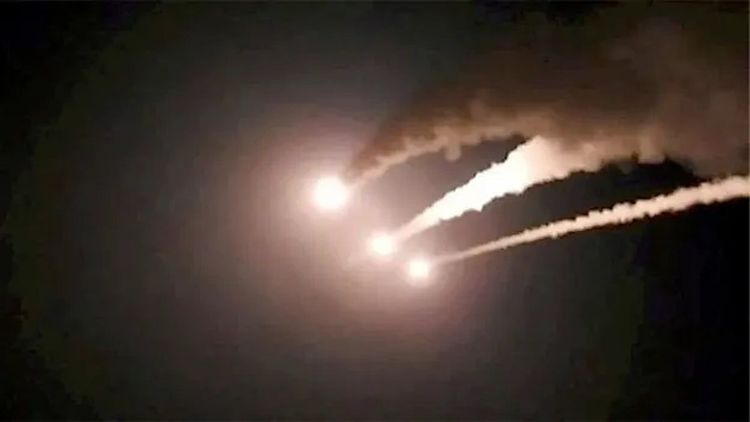
Trump declares US Navy has '100% control' of Strait of Hormuz under naval blockade
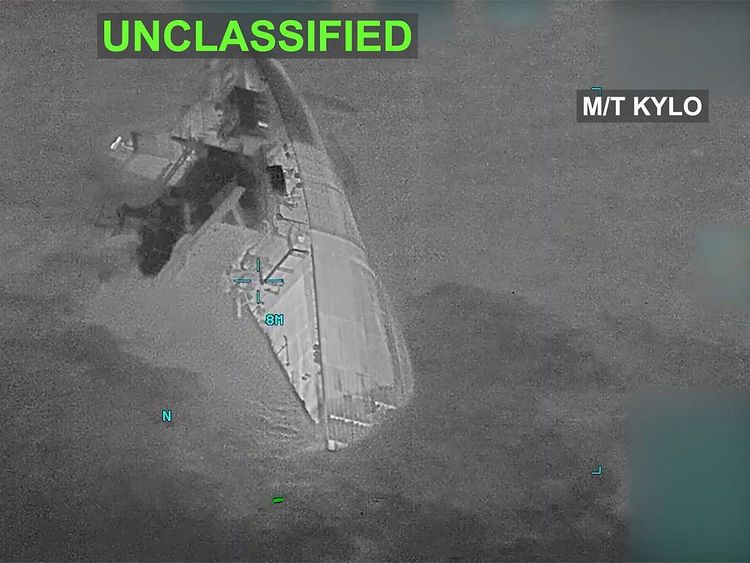
President Donald Trump stated the US Navy maintains complete control of the Strait of Hormuz through what he called an 'infallible' blockade, allowing non-Iranian traffic while blocking vessels bound for Iranian ports.
Trump declares US Navy has '100% control' of Strait of Hormuz under naval blockade
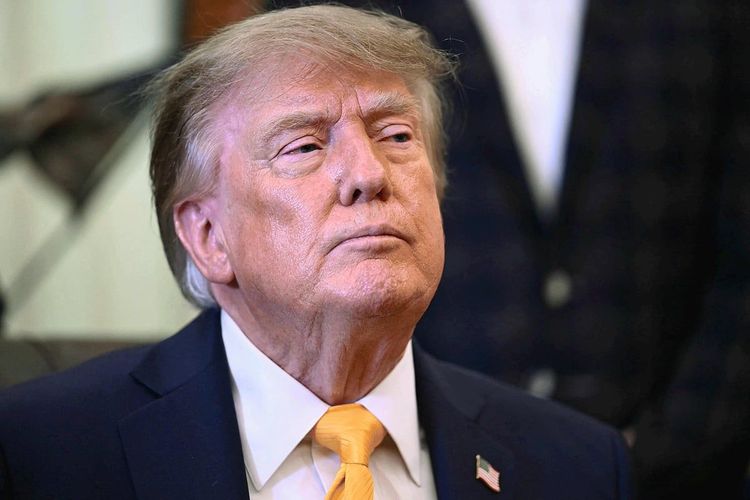
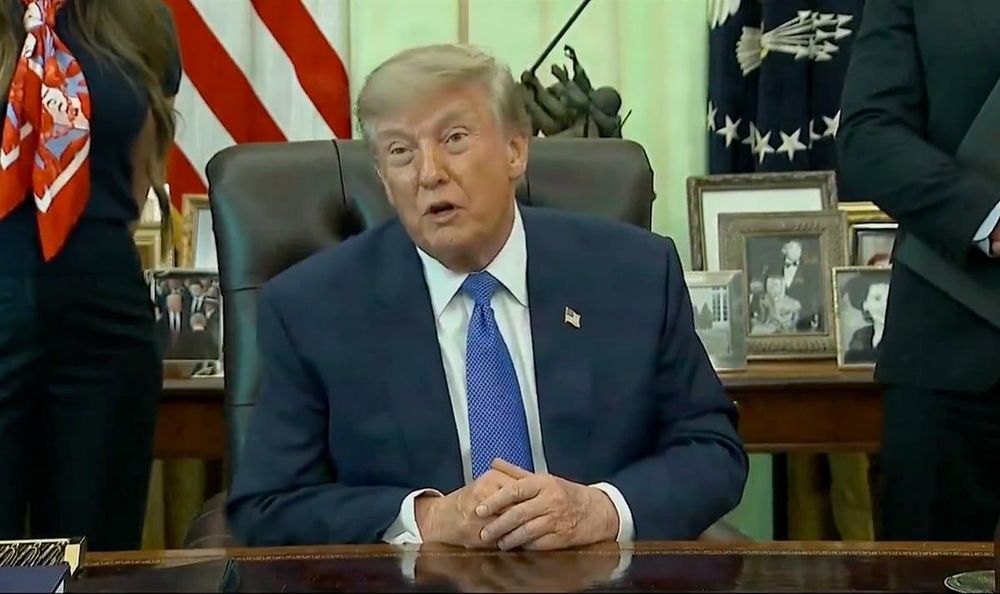
President Donald Trump declared on August 10, 2026, that the United States Navy exercises total control over the Strait of Hormuz, the world's most critical energy chokepoint through which approximately 25% of global seaborne oil trade and nearly 20% of liquefied natural gas transited in 2025.
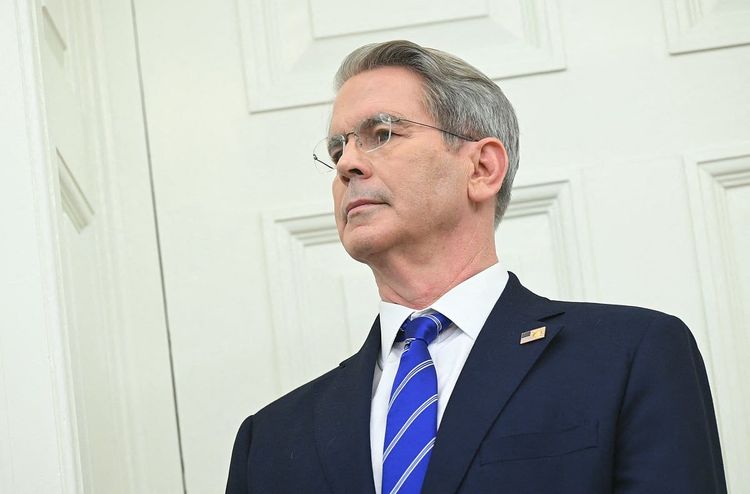
Speaking from the White House, Trump stated:
"The only one that has control of the Strait of Hormuz right now is the United States Navy. We have a blockade that's been infallible—it's a steel wall… We control the Strait, 100%."
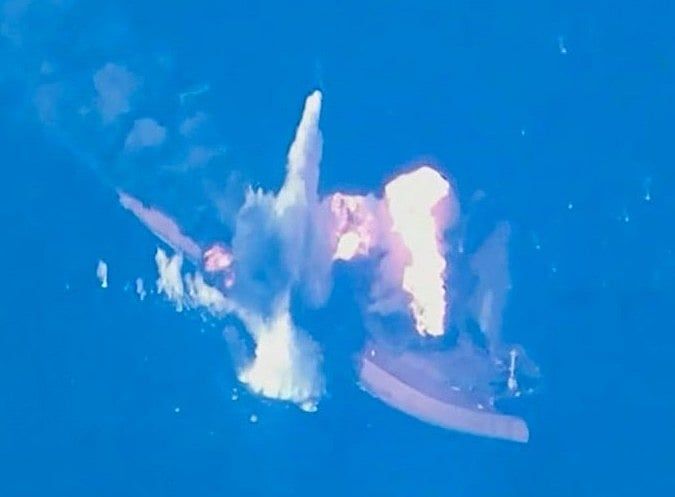
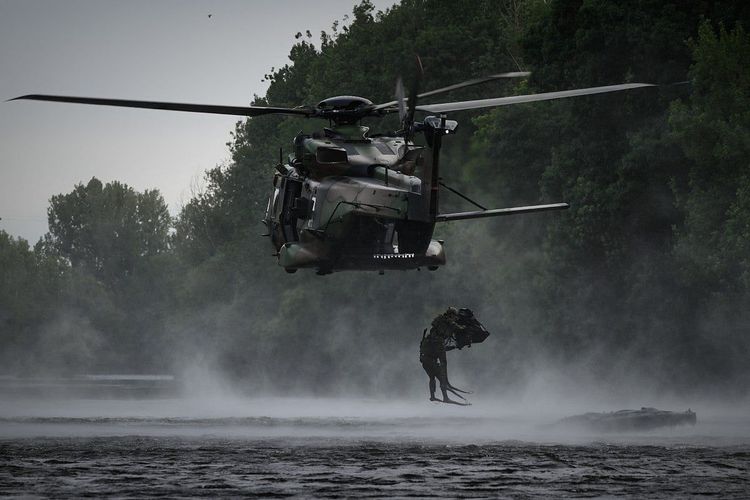
The president emphasized that the waterway remains open for non-Iranian maritime traffic and that US forces have conducted mine-sweeping operations throughout the entire strait. He acknowledged that Iran occasionally attempts to deploy mines, which American forces locate and remove, but stressed that vessels cannot enter Iranian ports under the current blockade.
Critical energy transit point
The Strait of Hormuz, measuring just 21 nautical miles wide at its narrowest point with deep-water shipping channels only about 2 miles wide each, serves as the primary export route for oil from Saudi Arabia, the UAE, Kuwait, Qatar, Iraq, and Bahrain. In 2025, roughly 20 million barrels per day of crude oil and petroleum products passed through this chokepoint.
Asian markets depend heavily on this route, with China receiving 37.7% of all crude oil and condensate exports transiting the strait, while Asian countries collectively account for 89.2% of oil moving through the waterway.
Blockade history and scope
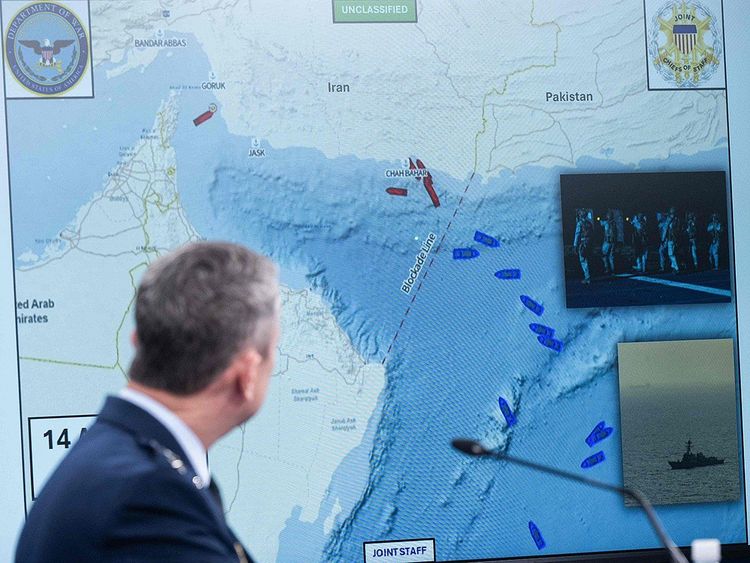
The US naval blockade was first imposed on April 13, 2026, following the collapse of diplomatic efforts to end the conflict that erupted on February 28, 2026. The blockade encompasses the entire Iranian coastline, including all ports and oil terminals, and applies to vessels of all flags traveling to or from Iranian facilities.
By late May 2026, US forces had redirected 100 commercial vessels, supported by more than 200 aircraft and warships and over 15,000 military personnel committed to enforcement operations. The blockade was temporarily suspended on June 18, 2026, as part of a 60-day ceasefire agreement between Washington and Tehran, but was reimposed in mid-July following renewed tensions.
Economic impact
The conflict and subsequent blockade triggered severe disruptions to global energy markets. Ship traffic data revealed a 70-90% decline in vessels traversing the strait after hostilities began, causing oil prices to surge worldwide and creating immediate fuel shortages across parts of Asia.
Trump's remarks were highlighted by the official White House account in a video post showing the president speaking from the Oval Office. He noted that while US forces maintain strict enforcement against Iranian-bound shipping, humanitarian shipments and other commercial traffic continue to move through the waterway under American naval supervision.