US-South Korea military drills cut short amid Trump order to scale back exercises
South Korea and the United States will conclude their annual Ulchi Freedom Shield exercise on Friday, six days ahead of schedule, following President Trump's directive to substantially reduce joint military drills amid stretched US resources and Iran operations.
US-South Korea military drills cut short amid Trump order to scale back exercises
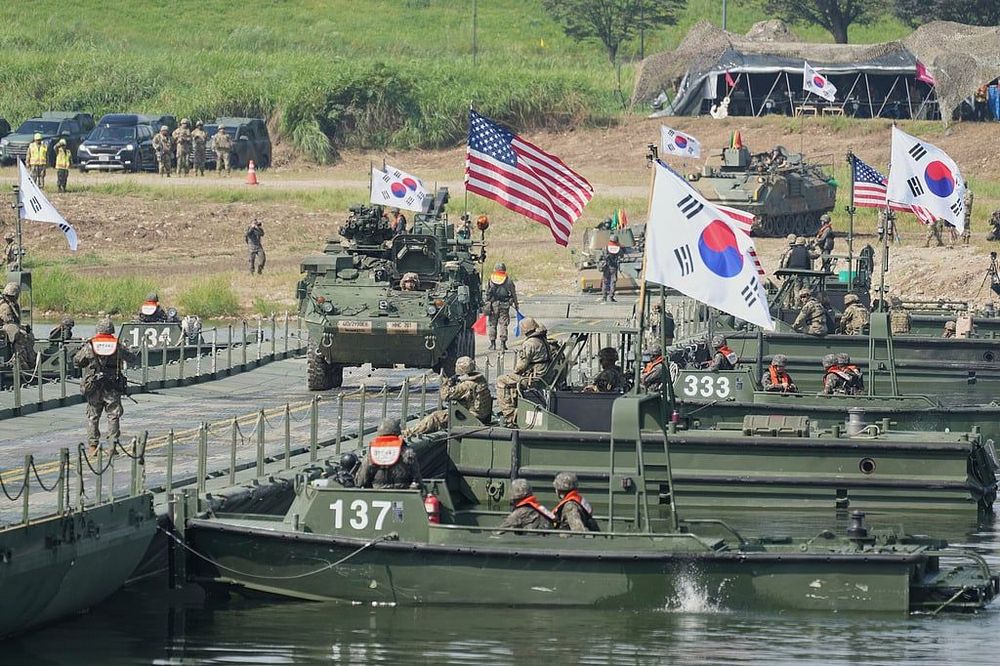
South Korea and the United States will end their annual Ulchi Freedom Shield exercise on Friday, Aug. 21, cutting the drills short by six days from the originally scheduled Aug. 27 conclusion, according to South Korean military sources.
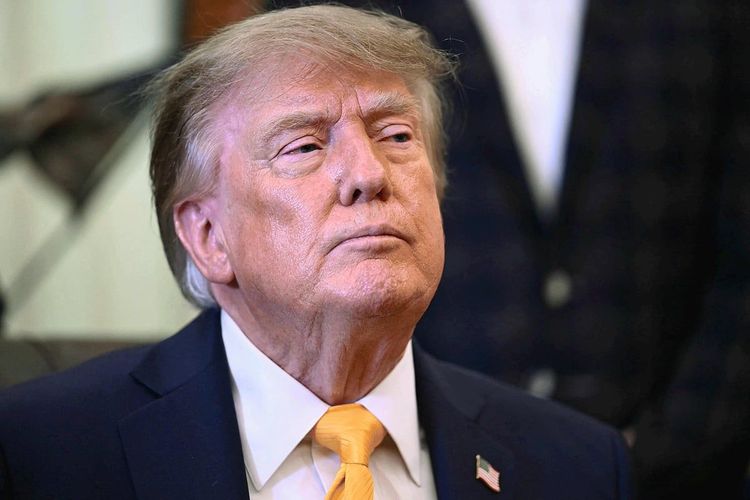
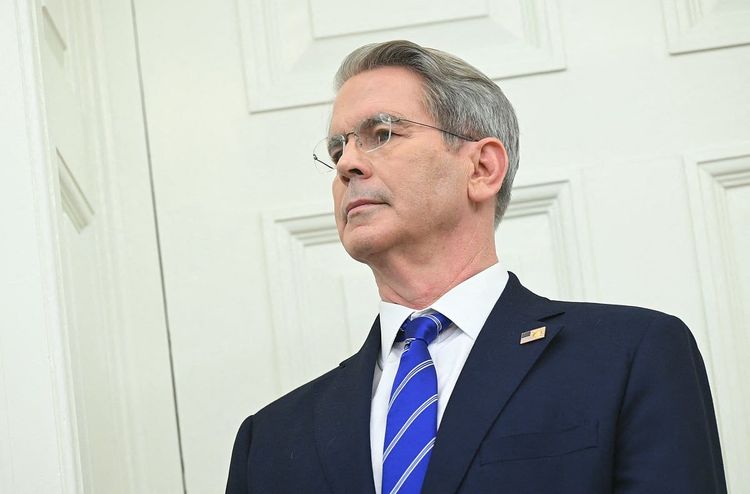
The early termination follows US President Donald Trump's Aug. 16 order directing the Pentagon to substantially scale back joint exercises with South Korea, citing the cost of the drills, Seoul's refusal to support US military operations against Iran, and his stated relationship with North Korean leader Kim Jong Un.
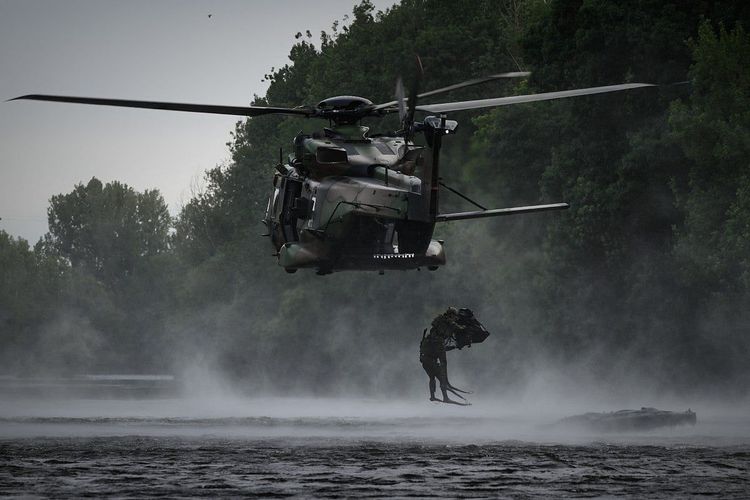
The exercise, which began on Aug. 17 and involves roughly 18,000 South Korean troops, incorporates computer-simulated command-post training and field exercises covering scenarios including drone operations, GPS disruption and cyberattacks. These capabilities have become increasingly important after recent conflicts demonstrated how unmanned systems, electronic warfare and communications attacks can affect modern battlefields.
Decades-long evolution of joint exercises
The Ulchi Freedom Shield drills trace their origins to the 1960s, beginning as the Taeguk Exercise after the 1968 Blue House Raid by North Korean special forces. The exercise was renamed Ulchi Exercise in 1969, integrated with Focus Lens in 1976 to become Ulchi-Focus Lens, and changed to Ulchi-Freedom Guardian in 2008 before adopting its current name. Ulchi Freedom Shield is one of two large-scale joint military exercises held annually between the allies, with the other, Freedom Shield, conducted in March.
US Forces Korea commander Gen. Xavier Brunson met with South Korean defence officials on Aug. 18 to discuss implications of Trump's directive. South Korean President Lee Jae Myung, who won a snap election on June 3, 2025, with 49.4 percent of the vote following former President Yoon Suk Yeol's impeachment over a failed martial law declaration, stressed the importance of maintaining the US-South Korea alliance while strengthening Seoul's independent defence capabilities.
Critical timing for command transfer
The timing of the exercise reduction is particularly significant as the two countries work toward transferring wartime operational control from the US-led combined command structure to Seoul. South Korea handed over operational control of its troops to the U.S.-led U.N. Command during the 1950-53 Korean War, which was then transferred to the Combined Forces Command when it launched in 1978. South Korea retook only peacetime operational control in 1994.
The allies are currently conducting the second-phase Full Operational Capability assessment in 2026 as part of a three-stage process to verify South Korea's capabilities to lead combined forces after the transfer. The first phase, Initial Operational Capability, was completed in 2019. Under the envisioned Future Combined Forces Command structure, a South Korean four-star general would lead the combined command with a U.S. four-star general serving as deputy commander, reversing the current arrangement.
Washington and Seoul are targeting to meet conditions required for the transfer no later than the first quarter of 2029, with South Korea seeking to complete the transition within President Lee's term ending in 2030. In 2015, the allies agreed to proceed with a conditions-based transition plan and set out the three-stage assessment process. Previous target dates have been repeatedly postponed from initial plans of 2009-2012, then delayed to 2015, as the transition has been under discussion for decades.
Strategic pressures and resource constraints
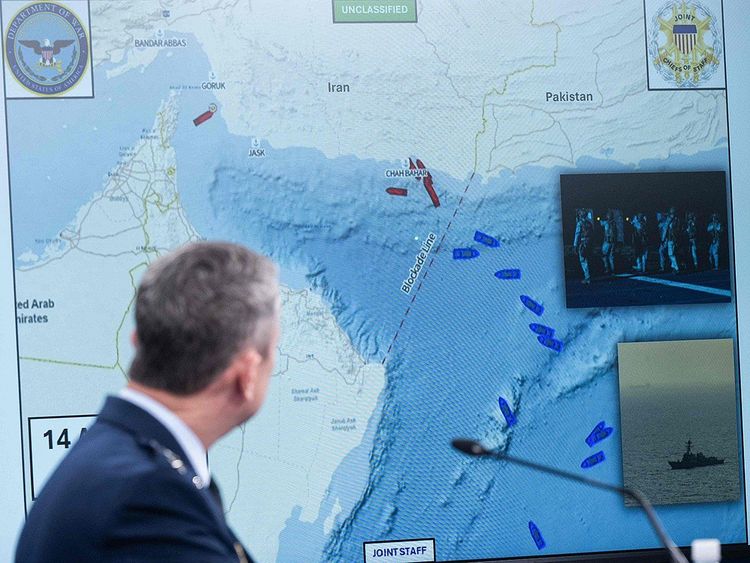
The reduction in exercises comes as US military resources face significant strain. The USS George Washington is replacing the USS Abraham Lincoln in the Middle East amid Trump's operations against Iran, leaving the western Pacific without a key military asset. The redeployment illustrates the resource pressures that contributed to Trump's decision to scale back the Korean Peninsula drills.
The cost issue arises despite South Korea and the United States having signed a five-year defense cost-sharing agreement in November 2024 covering 2026-2030. Under that agreement, South Korea will pay 1.52 trillion won ($1.09-1.14 billion) in 2026, an 8.3 percent increase from 2025, with future increases tied to the consumer price index capped at 5 percent annually.
Training during Ulchi Freedom Shield is essential for testing the capabilities and command arrangements needed for the wartime operational control transfer. Defence analysts warn that scaling back exercises could weaken the practical interoperability that allows American and South Korean forces to operate together during a crisis, particularly as military personnel and commanders regularly rotate, making repeated joint training essential for maintaining familiarity with combined procedures.
North Korea has traditionally condemned US-South Korean military exercises as rehearsals for an invasion and threatened to strengthen its nuclear deterrent in response. This year's drills take place against heightened uncertainty over whether Washington's attempt to reopen dialogue with Pyongyang will lead to a diplomatic breakthrough.
For Seoul, the challenge is increasingly twofold: maintain credible deterrence against North Korea while preparing for greater responsibility for its own defence, even as Washington reassesses the cost and purpose of its military commitments in the region.