Iran's Hormuz leverage meets global energy realities and legal constraints
Tehran can disrupt the critical waterway but cannot sustain closure without accelerating its own isolation, economic damage and military risk, as the world adapts through emergency stockpiles, alternative pipelines and diversified supply.
Iran's Hormuz leverage meets global energy realities and legal constraints
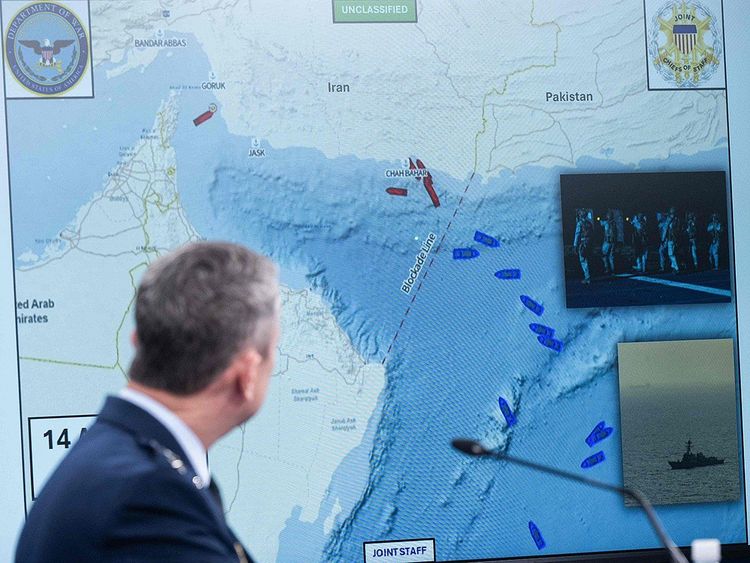
Iran holds significant coercive power over the Strait of Hormuz due to geography and military assets, but it cannot permanently control or close the waterway without triggering severe diplomatic isolation, heightened military risk and deepening economic harm to itself.
The regime in Tehran has demonstrated its ability to disrupt commercial vessel passage, drive up insurance and freight costs, and force energy consumers into crisis mode. Yet it cannot replace the international legal principle of freedom of navigation with any durable Iranian toll regime.
The immediate crisis
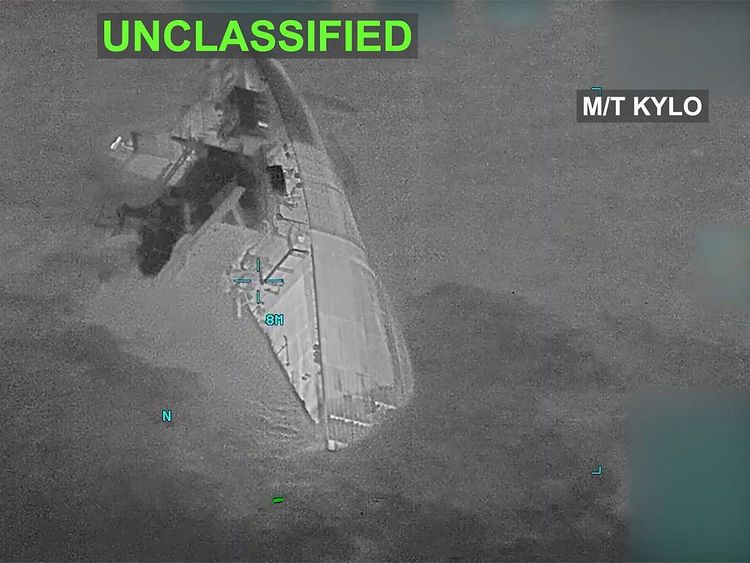
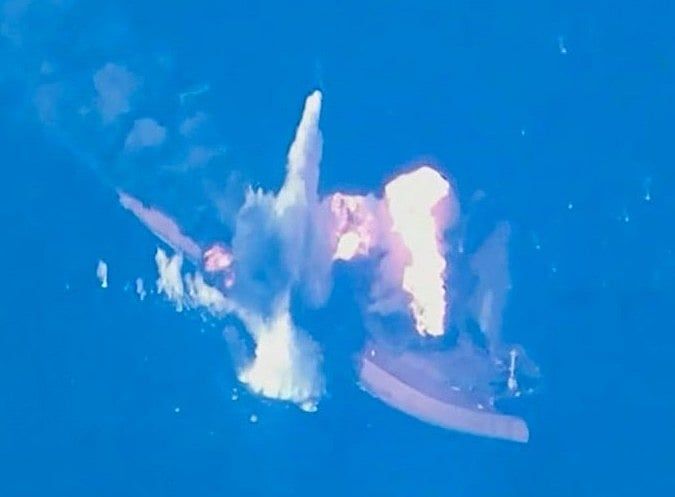
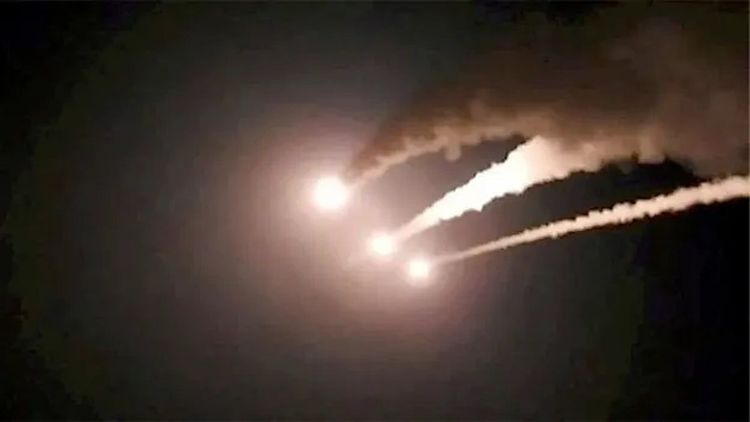
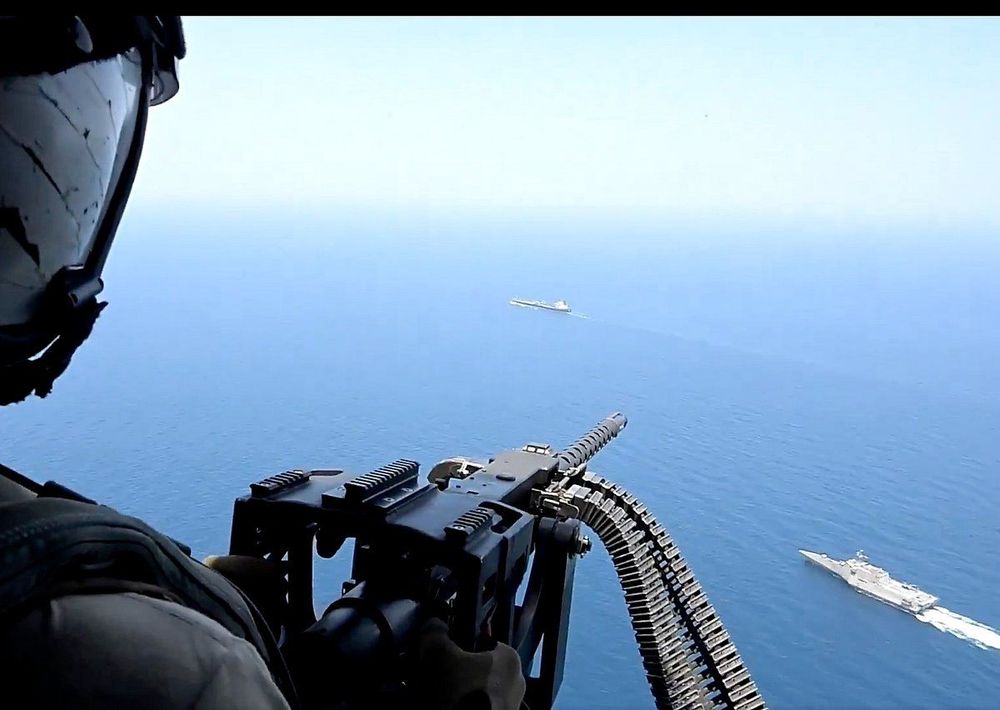
The situation is acute. UK Maritime Trade Operations has confirmed incidents involving commercial vessels struck by unknown projectiles or drones, advising ships to exercise heightened caution and report suspicious activity.
The UAE has publicly attributed attacks on ADNOC-linked vessels to Iran and labelled the use of Hormuz as a tool of economic coercion as piracy, prompting Abu Dhabi to suspend all trade and financial transactions with Iran until further notice.
The campaign has already caused traffic through the strait to slow sharply. Before the crisis, in 2025, approximately 15 million barrels per day of crude oil passed through the waterway, representing roughly 25 to 27 percent of global seaborne oil trade. The bulk of these exports headed to Asian countries, with China and India combined receiving 44 percent of shipments.
Flows fell to an average of 2.7 million barrels per day between March and May, according to the International Energy Agency. That represents a loss on a scale no single rerouting system can fully absorb. Global oil prices rose 50 percent between February and May 2026 during the crisis, according to Congressional Research Service analysis.
The disruption extends beyond crude oil. Approximately 20 percent of global liquefied natural gas trade transited the Strait of Hormuz in 2025, with about 93 percent of Qatar's and 96 percent of the UAE's LNG exports passing through the strait.
Geographic and military realities
Iran's leverage stems from geography. The Strait of Hormuz is approximately 21 nautical miles wide at its narrowest point, with a total length of about 167 kilometers connecting the Persian Gulf to the Gulf of Oman. This physical constriction makes disruption feasible.
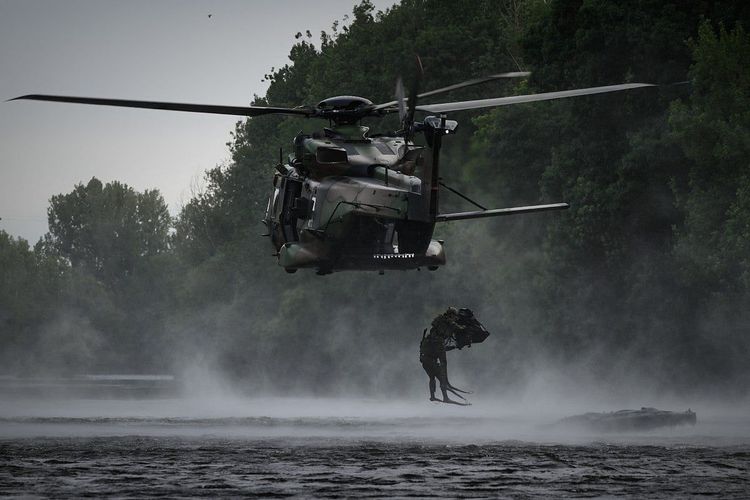
Iran possesses anti-ship cruise missiles including the Qader with approximately 300 kilometers range and the Zafar, as well as anti-ship ballistic missiles, naval drones, fast-attack boats and naval mines that can threaten shipping. The regime has also developed unconventional naval platforms by converting commercial vessels into drone carriers and missile launch platforms, including the Shahid Bagheri drone carrier, Shahid Mahdavi missile platform, Makran forward-base ship and Shahid Roudaki.
The aim is often not to stop every tanker. It is to create enough risk that owners, insurers, charterers and crews alter behaviour, slowing traffic, demanding security guarantees, charging higher premiums or declining voyages altogether.
A full or prolonged closure, however, would impose heavy costs on Iran as well. It would constrain Tehran's own energy exports and imports, unite Asian buyers around diversifying away from a waterway Iran is seen as weaponising, invite more coordinated naval protection and sanctions enforcement, and potentially trigger direct military action. It would also make Tehran responsible for a worldwide energy shock rather than merely a party in a regional conflict.
Iran can create a persistent threat environment, but it cannot turn that into legitimate sovereignty over an international strait.
Legal framework and international response
International law protects transit passage through straits used for international navigation. Under UNCLOS Article 44, there shall be no suspension of transit passage through international straits, and coastal states cannot charge tolls simply for transit through such straits according to Articles 37 to 44.
With the expansion of territorial seas from 3 to 12 nautical miles under UNCLOS, more than 100 international straits that previously contained high seas corridors are now overlapped by territorial seas, making the transit passage regime essential for preserving navigational freedoms globally.
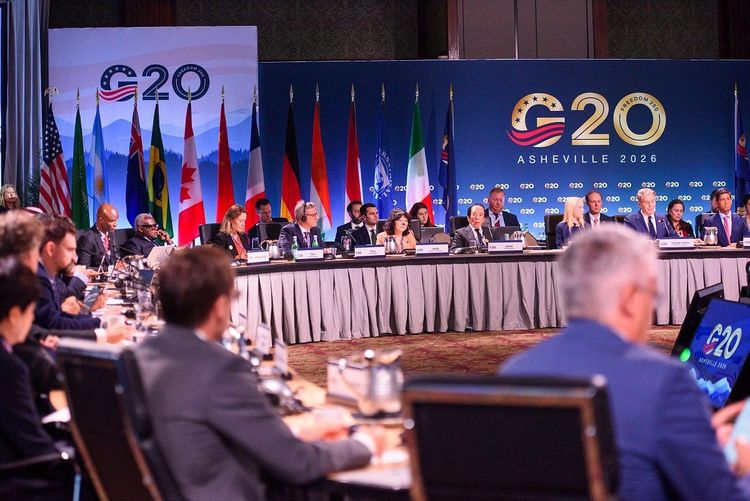
Condemnation of Iran's actions has widened. Egypt, Japan, Western and G7 powers, regional and Middle Eastern nations and the Arab League have condemned attacks on commercial shipping and called for action to protect navigation. China has repeatedly urged the reopening and safe navigation of the Strait of Hormuz, stressing that keeping the vital energy chokepoint open is essential for global trade and serves the mutual interests of the international community.
The UN Security Council has expressed concern over escalating regional attacks on merchant shipping and affirmed the importance of freedom of navigation, although consensus on assigning blame or imposing consequences remains politically difficult.
The problem is less a lack of condemnation than an enforcement gap. Many governments oppose attacks on civilian shipping but are reluctant to become parties to a US-Iran confrontation. China and other major Asian importers have a strong material interest in restoring Hormuz traffic, yet may prefer private pressure, commercial adaptation and diplomacy over public alignment with Washington.
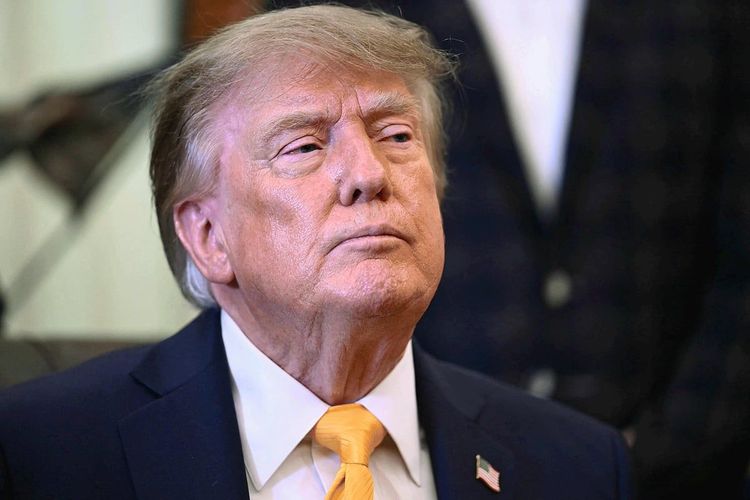
The Trump administration on Wednesday shifted tactics, pressing its allies and China to fall in line behind President Donald Trump's economic war on Iran. The move signals a broader effort to turn sanctions into a coordinated international squeeze on the Tehran regime, raising the stakes for countries that continue doing business with Iran.
Global adaptation measures
While the world cannot pretend Hormuz no longer matters, the global response has focused on buying time and reducing dependence.
IEA member countries agreed to release 400 million barrels from emergency oil stocks, the largest collective emergency stock release on record. The measure added 2.5 million barrels per day to markets in May, but it is a temporary buffer, not a replacement for regular Hormuz traffic.
Saudi Arabia increased flows through its East-West pipeline to Red Sea terminals. The Petroline has an estimated design capacity of 7 million barrels per day following recent expansions, running approximately 750 miles from Abqaiq on the Gulf coast to Yanbu on the Red Sea. The UAE used the Habshan-Fujairah pipeline, which has an estimated capacity of 1.5 to 1.8 million barrels per day and runs approximately 380 kilometers from onshore oil facilities at Habshan to Fujairah, bypassing the Strait of Hormuz. This bypass capacity is small relative to pre-crisis Hormuz flows.
The United States, Brazil, Kazakhstan and Venezuela increased exports to help Asian and other buyers replace disrupted Gulf barrels. US crude and petroleum-product exports reached a record 13.1 million barrels per day in May, according to the IEA.
Refineries are changing crude slates and maximising diesel and jet-fuel yields, while consumers and governments reduce demand or cushion price shocks. The IEA expects global oil demand to fall by almost 5 million barrels per day year-on-year in the second quarter of 2026.
Owners are delaying voyages, reassessing routes, tightening security procedures and demanding higher insurance coverage. These changes do not eliminate risk; they distribute its cost across freight, energy and consumer prices.
The likely outcome
The most likely end-state is not permanent Iranian control of Hormuz and not a clean military solution. It is a negotiated reopening backed by monitoring, deterrence and security understandings that allow all sides to claim partial success.
Iran's practical objectives may include survival, compelling direct talks with Washington, extracting sanctions or security concessions, demonstrating that its regional interests cannot be ignored, and raising the cost of military pressure.
The US and its partners seek the opposite outcome: unimpeded navigation without conceding that Iran has a veto over an international waterway.
The IEA has reported that a recent US-Iran agreement was intended to restore regular traffic, with some exports beginning to rise. The subsequent reported attacks on commercial shipping and warnings show that an agreement on paper is not yet the same as dependable freedom of navigation at sea.
The strategic lesson is stark: Iran can weaponise Hormuz, but each use of that weapon strengthens the long-term case for pipelines, stockpiles, alternative suppliers, diversified Asian energy sourcing and international maritime-security cooperation. Its leverage is potent precisely because Hormuz matters so much, and it diminishes if the world succeeds in making the strait less irreplaceable.