Over 170,000 Canadians demand removal of US Ambassador Pete Hoekstra
A petition calling for US Ambassador Pete Hoekstra to be declared persona non grata has gathered more than 170,000 signatures, reflecting deepening anger over Trump's policies and alleged diplomatic interference in Canadian affairs.
Petition Demands Ambassador's Removal
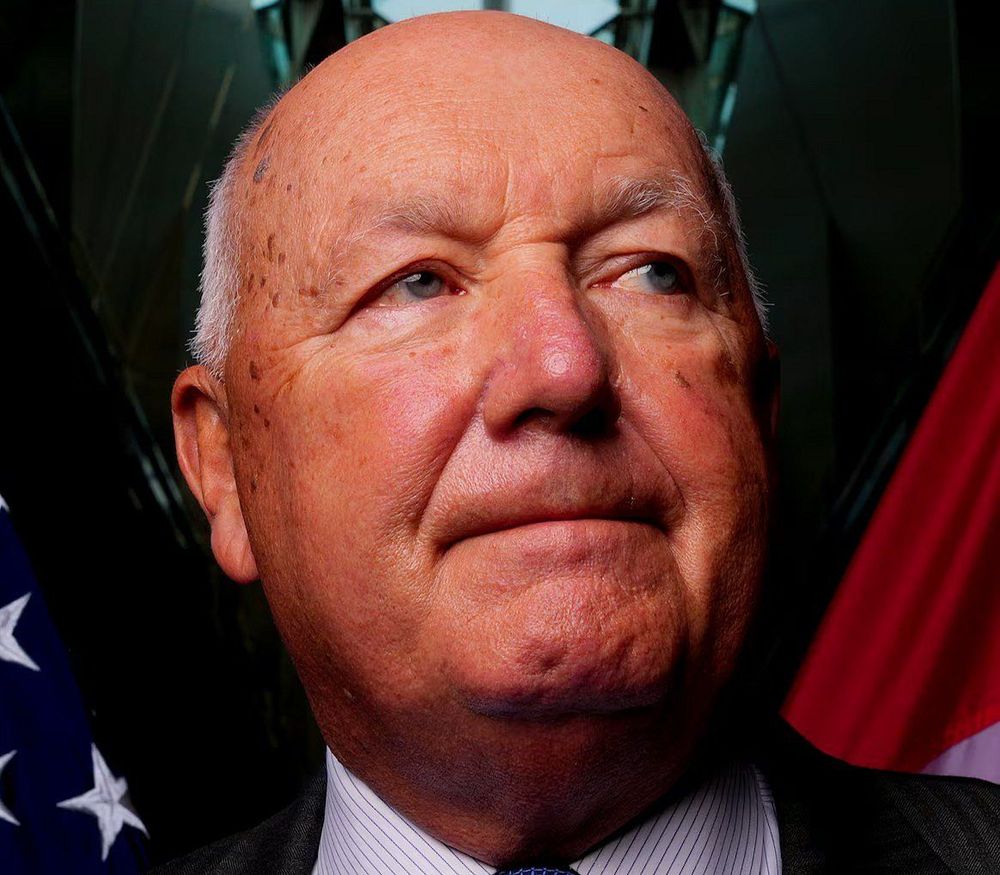
More than 170,000 Canadians have signed a petition demanding the removal of US Ambassador Pete Hoekstra, transforming widespread frustration with President Donald Trump's policies into a direct challenge to Washington's top diplomat in Ottawa.
The petition, launched on July 21 by Calgary resident Leanne Walker and authorised by Green Party leader Elizabeth May, surpassed 171,000 signatures by Saturday. It needs only 500 signatures to qualify for presentation to Canada's House of Commons, where the government must provide an official response within 45 calendar days.
Allegations against the ambassador
The petition accuses Hoekstra of making statements that undermine Canada-US relations and engaging in conduct that critics characterise as interference in Canadian domestic affairs. Hoekstra, who became the 26th US Ambassador to Canada on April 29, 2025, following Senate confirmation by a 60-37 vote, has drawn particular criticism for his handling of Trump's repeated suggestions that Canada should become America's "51st state".
Hoekstra has reposted Trump's 51st-state remarks on social media and dismissed Canadian anger over the rhetoric as "emotional". The petition argues that he has helped normalise threats to Canadian sovereignty.
The ambassador previously served as US Ambassador to the Netherlands during Trump's first administration and represented Michigan's 2nd District in the US House of Representatives from 1993 to 2011, chairing the House Permanent Select Committee on Intelligence from 2004 to 2007.
Alberta separatism concerns
The petition also highlights contacts between US State Department officials and activists seeking Alberta's separation from Canada. It argues that repeated meetings with separatist activists raise serious questions about American diplomatic interference in Canadian unity.
Alberta separatism has deep historical roots, with the first major phase emerging following the 1980 National Energy Program. That policy transferred approximately C$100 billion from Alberta to the rest of Canada between 1980 and 1985, triggering an economic collapse and creating decades of resentment that continues to fuel separatist sentiment.
Hoekstra has previously denied connections between the Trump administration and Alberta separatists.
What the petition demands
The petition calls on Canada to formally declare Hoekstra persona non grata and request his removal as US ambassador. It also seeks discussions over what it describes as conduct inconsistent with the Vienna Convention on Diplomatic Relations and wants a parliamentary committee to investigate alleged US interference in Canadian affairs.
Legal framework for expulsion
Under Article 9 of the Vienna Convention on Diplomatic Relations, a receiving state may at any time and without having to explain its decision declare any member of a diplomatic staff persona non grata, requiring the sending state to recall the person or terminate their diplomatic functions. This doctrine is part of customary diplomatic law that predates the 1961 Vienna Convention, which codified a settled diplomatic practice allowing states to remove unwanted envoys without arresting or prosecuting persons protected by diplomatic immunity.
However, the petition itself cannot force Hoekstra's removal. It is non-binding, and once presented to the House of Commons, the Canadian government must provide an official response within 45 days. May, who led the Green Party from 2006 to 2019 before returning as leader in 2022, is expected to bring the petition before Parliament in the fall.
Deteriorating bilateral relations
Hoekstra has become a focal point for much broader tensions between the neighbouring countries. Trump's 51st-state rhetoric and an escalating trade dispute have fuelled resentment across Canada. In July, Trump imposed 50 per cent tariffs on certain Canadian goods, accusing Canada of discriminatory trade practices.
Canadians have responded by boycotting some American products and avoiding trips to the United States. A Pew Research survey in June revealed how dramatically attitudes have shifted: only 35 per cent of Canadians considered the US a reliable partner in 2026, down from 83 per cent in 2022. The share describing the US as unreliable jumped from 16 per cent to 65 per cent over the same period.
To put the petition's support in context, roughly 200 electronic petitions are open for signature in Canada every year, gathering over 500,000 signatures annually across all petitions. The 170,000 signatures on this single petition represent a significant mobilisation of public opinion.
Political implications
Declaring the US ambassador persona non grata would represent a major diplomatic escalation between two countries whose relationship was once regarded as exceptionally close. The decision now rests with Prime Minister Mark Carney's government, which took office following the April 28, 2025 federal election.
With more than 170,000 signatures, the petition has already delivered a powerful message: Canadian anger with Washington is no longer confined to Trump's tariffs or his 51st-state rhetoric. It is now aimed directly at America's representative in Ottawa.