Iran sets sweeping conditions for reopening Strait of Hormuz as negotiations stall
Tehran demands US lift naval blockade, withdraw forces, pay reparations and release frozen assets before restoring shipping through critical waterway that handles 34% of global crude oil trade.
Iran sets sweeping conditions for reopening Strait of Hormuz as negotiations stall
Iran has outlined extensive conditions that Washington must meet before allowing full resumption of shipping through the Strait of Hormuz, dashing expectations that an emerging agreement with Oman could quickly restore normal traffic through the strategic waterway.
Mohammad Bagher Zolghadr, secretary of Iran's Supreme National Security Council, announced on Saturday that the United States must lift its naval blockade and sanctions, withdraw military forces from the region surrounding Iran, pay war reparations and release frozen Iranian assets. He also called for an end to attacks on Iran's regional allies and cessation of threats against the country.
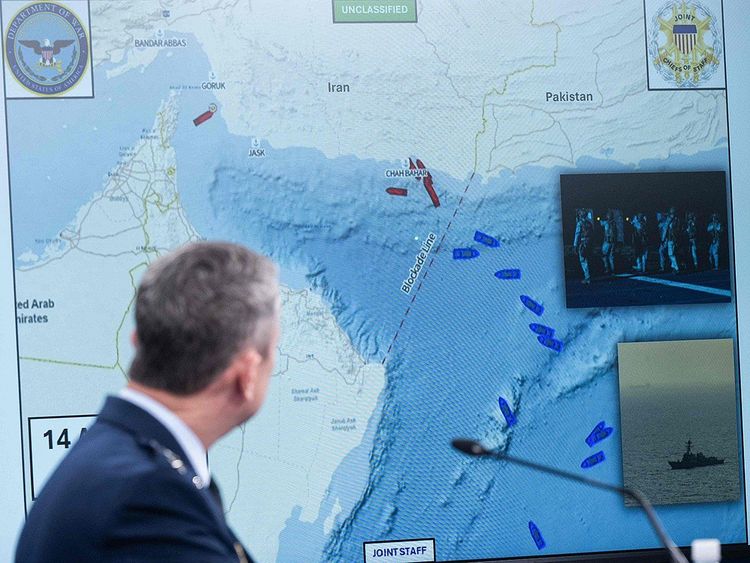
The demands escalate tensions over the strait, through which nearly 15 million barrels of crude oil per day — representing 34% of global crude oil trade — normally flows, with most destined for Asian markets. China, India, Japan and South Korea collectively received 69% of all crude oil transiting the waterway in 2024, making Asian economies particularly vulnerable to the disruption.
Oman agreement insufficient
Tehran and Muscat have been negotiating arrangements for managing shipping through Hormuz after Iran effectively shut the strait in retaliation for US and Israeli attacks in February. Iranian Foreign Minister Abbas Araghchi indicated the two countries were approaching an agreement, with their militaries discussing details of a temporary shipping route.
However, Araghchi clarified that reopening Hormuz depends on additional conditions, including Washington compensating Iran for what Tehran characterizes as US violations of the Islamabad Memorandum — the ceasefire agreement signed in Versailles, France on June 17, 2026, following mediation by Pakistan and Qatar to halt hostilities that erupted on February 28. That memorandum included provisions for Iran to reopen the strait and return to nuclear negotiations, while the US agreed to lift its naval blockade, with a 60-day window for final agreement negotiations.
IRGC spokesman Hossein Mohebbi emphasized that reopening the strait was not contingent on the Iran-Oman negotiations but rather on the United States fully accepting Iran's conditions. The distinction carries significant weight: while Iran and Oman may reach consensus on shipping procedures through Hormuz, normal commercial traffic will not necessarily resume.
Trump confronts difficult decision
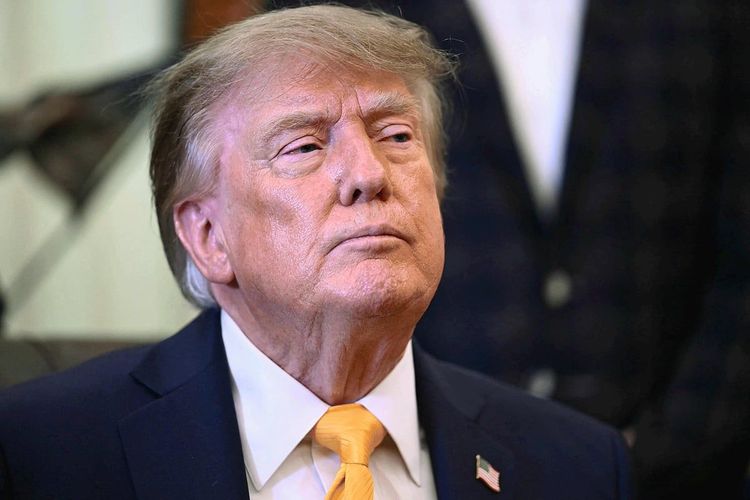
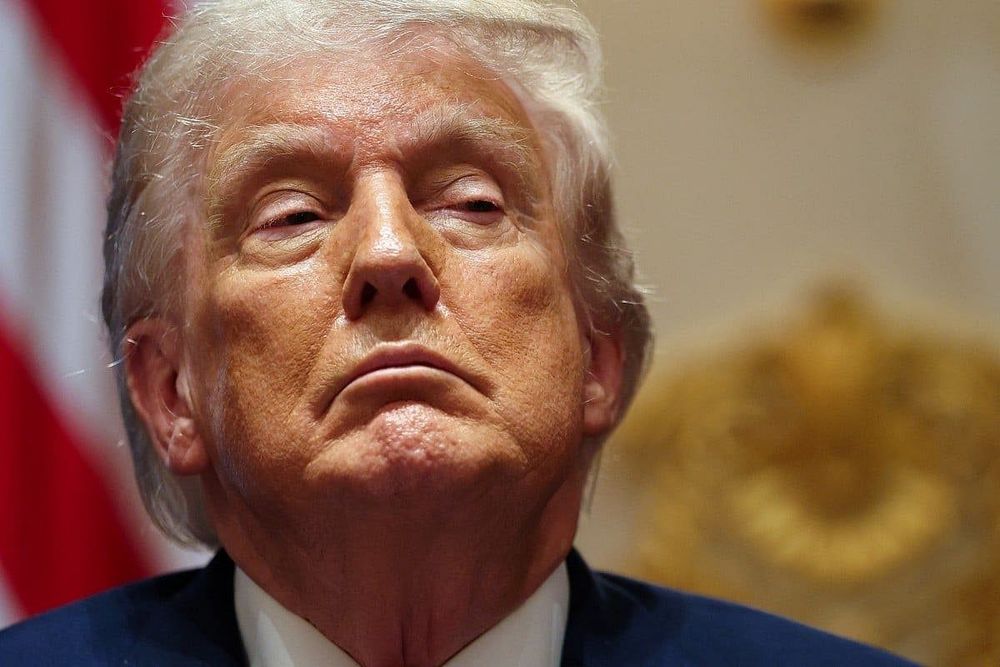
The Iranian demands place US President Donald Trump in a position where he must choose between making substantial concessions or accepting continued disruption to a waterway vital to global energy supplies. The strait also handles approximately 19-20% of global liquefied natural gas trade, with 93% of Qatar's and 96% of the UAE's LNG exports passing through the waterway.
Washington has resisted any arrangement that would formalize Iranian control over Hormuz or permit Tehran to charge vessels for passage. Iran, however, maintains the strait will not simply revert to its pre-conflict status. While Saudi Arabia and the UAE possess operational crude oil pipelines that can bypass Hormuz, their capacity remains limited compared to the strait's normal flows.
David Schenker, a former State Department official in Trump's first administration, told the Associated Press that economic pressure could eventually push Trump toward compromise. Trump acknowledged this week that Iran retains the capability to disrupt shipping, noting they could always deploy weapons or mines.
Traffic remains severely constrained
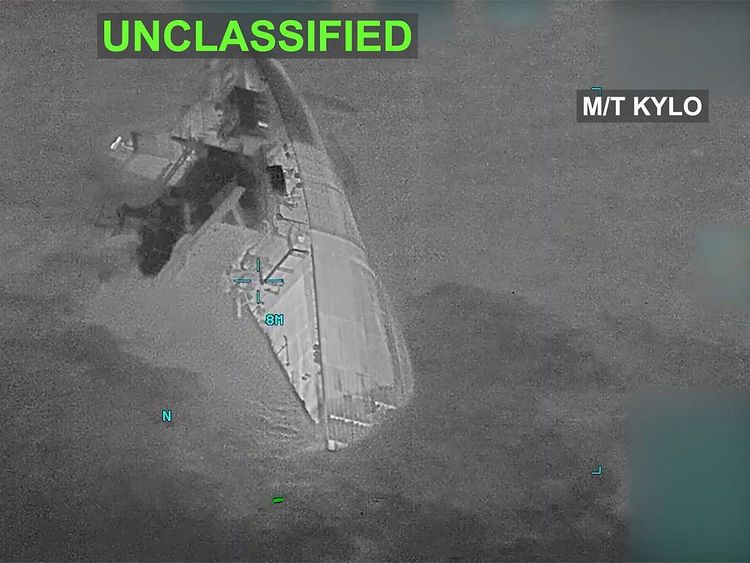
Shipping through the strait has remained far below normal levels, with just over a dozen vessels navigating the waterway daily over the past week, according to data from Kpler. This compares to over 30,000 vessels annually in typical years — a reduction exceeding 90% from pre-war levels. Lloyd's List Intelligence recorded 84 transits last week, up from 45 the previous week but drastically below the more than 700 crossings in a typical pre-crisis week.
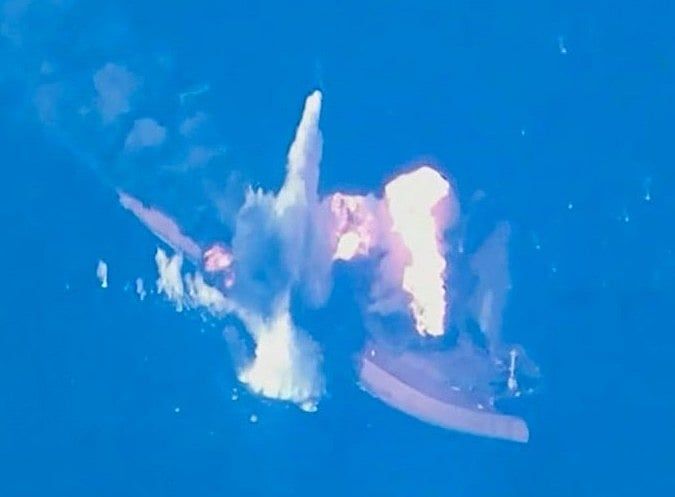
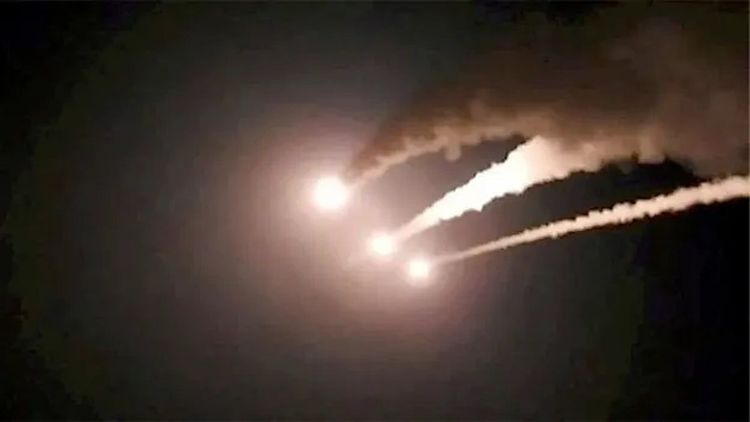
Tensions intensified after the UAE reported an Iranian missile targeted an ADNOC tanker crossing Hormuz. The UAE condemned the attack as a violation of UN Security Council Resolution 2817 — adopted on March 11, 2026, condemning Iran's attacks against Bahrain, Kuwait, Oman, Qatar, Saudi Arabia, the UAE and Jordan, and co-sponsored by a record 135 countries — and accused the IRGC of using the strait for economic pressure. No casualties were reported.
Oman also condemned repeated attacks on shipping while characterizing its negotiations with Tehran as proceeding in a positive and constructive atmosphere.
Blockade pressures Iranian exports
Iran faces mounting economic strain from the renewed US naval blockade. No tankers have loaded crude at Kharg Island — which handles approximately 90% of Iran's oil exports and has a loading capacity of 7 million barrels per day and storage capacity of 32-34 million barrels — since July 31, according to shipping and satellite data cited by the Financial Times. The extended disruption could force Tehran to reduce oil production as storage facilities reach capacity.
US Vice President JD Vance tempered expectations of an imminent breakthrough, characterizing negotiations as only in the middle stages. He said discussions focused on establishing a system allowing safe passage for ships, including demining operations and securing Iranian commitments not to target commercial vessels.
The emerging picture shows that while Iran and Oman may be approaching agreement on a shipping route, reopening Hormuz now hinges on a far broader bargain between Washington and Tehran.