Bodies of five mountaineers recovered months after deadly Nepal avalanche
Rescue teams in Nepal have discovered the remains of three foreign climbers and two Nepali guides who perished in a November avalanche near the Tibetan border, ending a months-long search hampered by severe weather and difficult terrain.
Bodies of five mountaineers recovered months after deadly Nepal avalanche
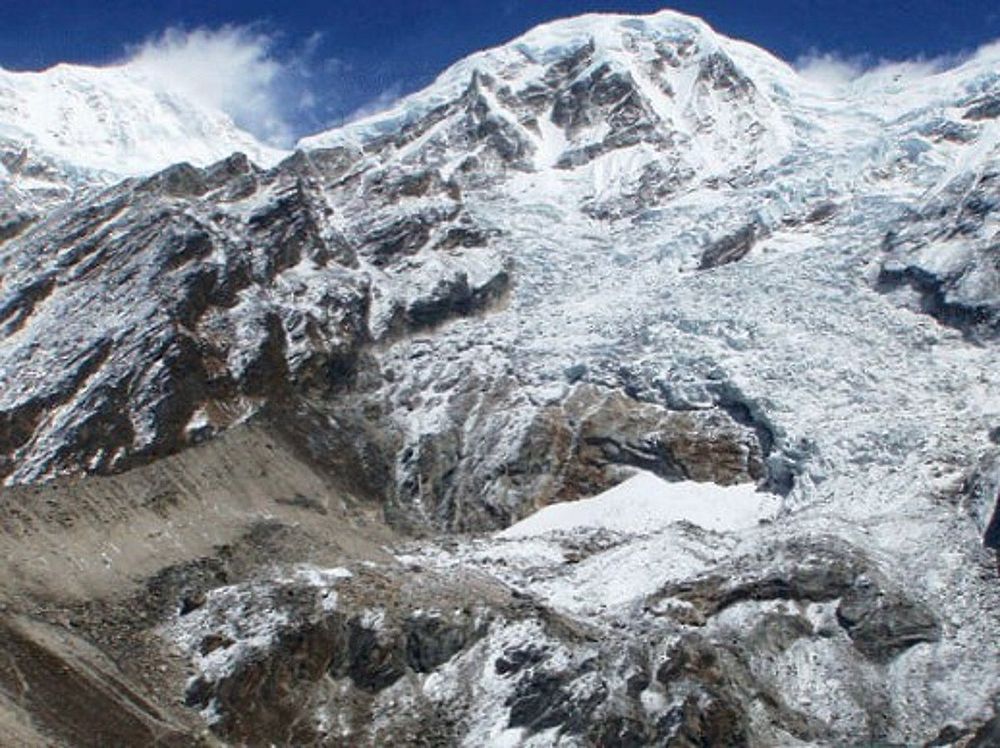
Rescue teams in Nepal have recovered the bodies of five mountaineers killed in an avalanche last November near the country's border with Tibet, local authorities confirmed Saturday. The victims include an Italian-Canadian, a German, an Italian and two Nepali climbers who disappeared during the November 2025 disaster.
Biswash Karki, chairman of Gaurishankar Rural Municipality in Dolakha District, told reporters that the bodies were discovered on Thursday on the lower slopes of Yalung Ri, a 5,630-metre trekking peak in the remote Rolwaling region of Bagmati Province. The avalanche struck the climbers at their base camp, located at approximately 4,900 metres, on November 3 at around 9am local time.
The tragedy was part of a broader weather disaster caused by Cyclone Montha, which swept through the Himalayas between November 1-3, 2025, claiming at least nine lives across multiple locations in Nepal. The severe snowstorms created treacherous conditions throughout the mountaineering areas.
Challenging rescue operation
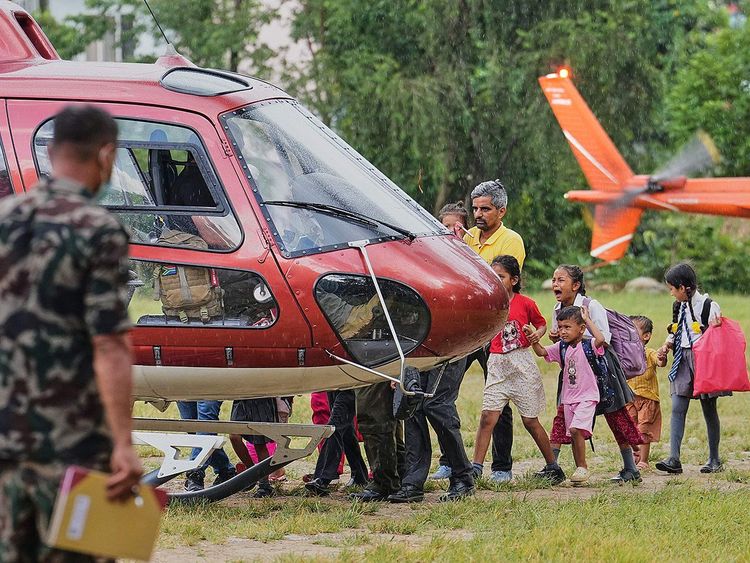
Recovery efforts were significantly delayed by the harsh conditions in the Rolwaling area, which is designated as a prohibited zone for helicopter operations. Senior police officer Manoj Kumar Lama said a rescue helicopter was dispatched to the site on Friday but could not land due to adverse weather conditions.
High-altitude helicopter operations in Nepal face numerous obstacles, including unpredictable weather patterns, strong winds, thin air that reduces engine performance, and limited landing zones. These factors require specialized pilots with extensive mountain flying experience.
Karki explained that thick snow had buried the victims' bodies since the November avalanche.
Ever since they went missing, we had been deploying the army, police and local rescue teams to search for them. Our rescue team will airlift the bodies once the weather clears.
Growing avalanche risks
The November avalanche occurred during the autumn mountaineering season, which runs from October through November. While this period is less popular than the spring climbing season due to shorter, colder days and unpredictable weather following the monsoon, it still attracts experienced mountaineers seeking clearer skies and fewer crowds.
Nepal, home to eight of the world's ten highest peaks including Mount Everest, welcomes hundreds of climbers and trekkers annually. However, the industry faces mounting safety concerns. According to the Himalayan Database, more than 1,000 people have died on Nepal's peaks since 1950, with avalanches responsible for nearly a third of these fatalities.
The remote Gaurishankar Rural Municipality, which encompasses 681 square kilometres with a population of approximately 16,000 people, has limited infrastructure for emergency response. Local authorities continue to coordinate with national rescue services to complete the recovery operation as soon as weather conditions permit.