Pakistan's $17 billion forex reserves signal economic turnaround amid IMF-backed reforms
Foreign exchange reserves climb to $17 billion as Pakistan regains access to international capital markets after four-year hiatus, with Moody's upgrading sovereign rating to B3 on improved debt sustainability and external buffers.
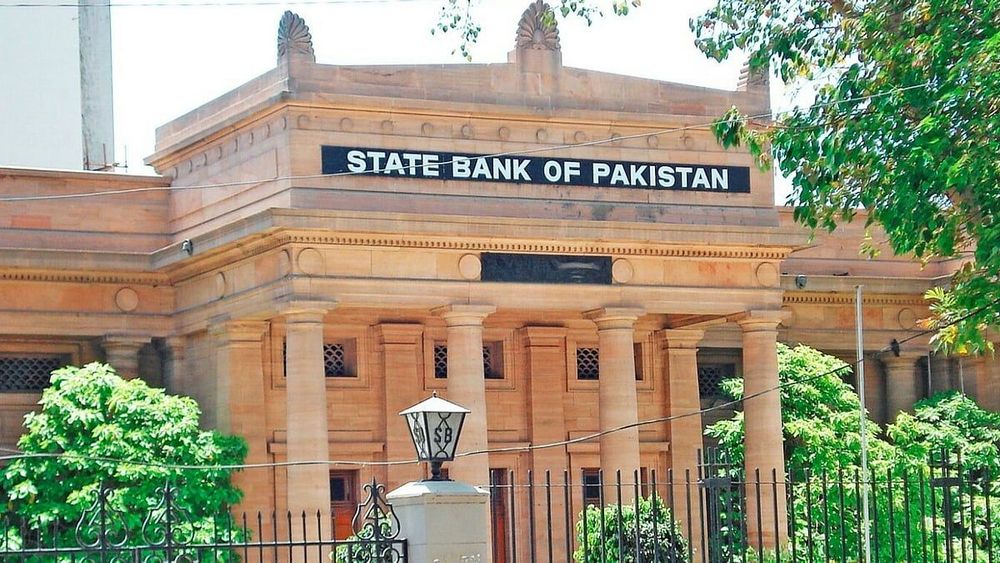
How $17 billion in forex reserves is strengthening Pakistan's economy
Pakistan's foreign exchange reserves have reached approximately $17 billion, marking a substantial recovery from the depths of an economic crisis that saw reserves plummet to an all-time low in February 2023, when they covered barely two weeks of imports. The improvement has strengthened the country's capacity to meet overseas payments and absorb external shocks as declining borrowing costs ease pressure on government finances.
The turnaround prompted Moody's Ratings to upgrade Pakistan's local and foreign currency sovereign ratings to B3 from Caa1, maintaining a stable outlook that signals expectations of sustained credit improvement despite ongoing economic risks.
Reserve buildup accelerates under IMF program
Reserves increased from $14 billion at the end of July 2025 to $17 billion by July 2026, providing nearly three months of import cover. This buffer gives Pakistan greater resilience against commodity price spikes, tighter global financing conditions and other external pressures.
The gains occurred under a 37-month Extended Fund Facility worth $7 billion approved by the International Monetary Fund on September 25, 2024. The program includes an additional 28-month Resilience and Sustainability Facility providing $1.4 billion for climate adaptation measures. This represents Pakistan's 25th IMF arrangement since joining the institution in 1950.
Moody's projects reserves will climb to between $19 billion and $20 billion by the end of fiscal 2027, and reach $20 billion to $21 billion in fiscal 2028, assuming continued implementation of IMF-backed reforms. Progress under the program supports financing from official partners and helps maintain access to international debt markets.
External vulnerability narrows sharply
Pakistan's external vulnerability indicator, which compares maturing debt with available foreign exchange reserves, improved to approximately 145 percent in 2026 from 230 percent in 2025. The sharp decline demonstrates that the gap between debt coming due and available reserves has narrowed substantially.
The country met all external obligations in fiscal 2026 while continuing to build reserves. In April 2026, Pakistan repaid a $1.3 billion maturing Eurobond on schedule and in full, alongside $126.125 million in coupon payments on other bond issuances.
Return to international capital markets
Pakistan re-entered international debt markets in April 2026 after a four-year absence, initially raising $500 million through a three-year Eurobond priced at a 6.975 percent coupon rate. Strong investor demand led authorities to upsize the offering to $750 million, marking a significant vote of confidence in the country's reform trajectory.
In May 2026, Pakistan became the first South Asian nation to tap China's onshore bond market, issuing 1.75 billion yuan (approximately $250 million) in Panda bonds at a 2.5 percent coupon rate after two years of preparation and regulatory coordination. The offering was more than five times oversubscribed and 95 percent guaranteed by the Asian Infrastructure Investment Bank and Asian Development Bank, representing Pakistan's cheapest foreign-currency bond offering on record.
These bond issues, combined with official financing and IMF support, have broadened Pakistan's access to foreign currency and demonstrated restored credibility with international investors.
Interest burden eases on lower rates
The cost of servicing government debt declined materially, with interest payments absorbing about 35 percent of government revenue in fiscal 2026, down from 49 percent a year earlier. The improvement followed a steep drop in inflation from its May 2023 peak of 37.97 percent, which allowed Pakistan's central bank to reduce interest rates from 22 percent in mid-2024 to 11.5 percent by July 2026.
Lower interest rates reduce borrowing costs because domestic debt accounts for roughly two-thirds of total government obligations. Moody's expects the interest burden to remain broadly stable at around 35 percent of revenue over the next one to two years before gradually improving as fiscal consolidation reduces overall debt levels.
Large financing needs remain
Pakistan will still require approximately $21 billion in external financing in fiscal 2027 and around $30 billion in fiscal 2028, according to IMF estimates cited by Moody's. These figures include existing bilateral deposits of about $7 billion in fiscal 2027 and $12 billion in fiscal 2028, which the agency expects will be rolled over by partner countries rather than require immediate repayment.
Continued progress under the IMF program would help Pakistan secure timely financing from official partners, meet external obligations and add to reserves, the rating agency said.
Risks and path forward
The stable outlook reflects the possibility of faster-than-expected improvement balanced against continuing structural weaknesses, including a narrow government revenue base, low foreign direct investment, a small export base and heavy reliance on remittances and external financing.
High interest costs still constrain funding available for healthcare, education, infrastructure and other public services. Policy uncertainty and domestic and geopolitical risks continue to limit investment and productivity growth.
Pakistan could earn another rating upgrade if it builds reserves beyond current forecasts and records sustained improvement in debt affordability. A stronger reform implementation record, better access to official and commercial financing, progress in revenue collection and further reductions in the share of revenue consumed by interest would support that outcome.
Risks would increase if delays or withdrawals of support from multilateral and bilateral partners caused reserves to fall sharply, or if political or social disruption weakened policymaking or access to financing.
For now, the upgrade recognizes measurable improvements in Pakistan's ability to manage debt and overseas payments. Rising reserves, lower domestic financing costs and continued access to official and market funding have provided the economy with firmer buffers against external pressures.