Oil steady near $80 as Iran deal optimism balances Hormuz uncertainty
Crude prices hold ground after sharp midweek losses as markets weigh advancing U.S.-Iran negotiations against continued risks to shipping through the strategic Strait of Hormuz.
Oil steady near $80 as Iran deal optimism balances Hormuz uncertainty
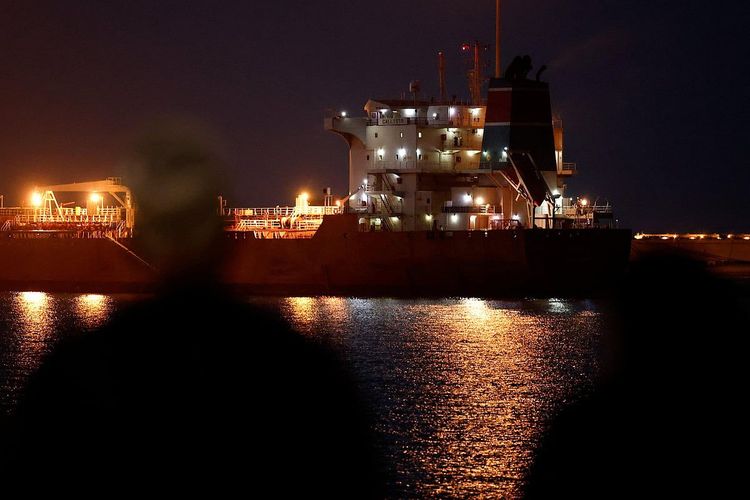
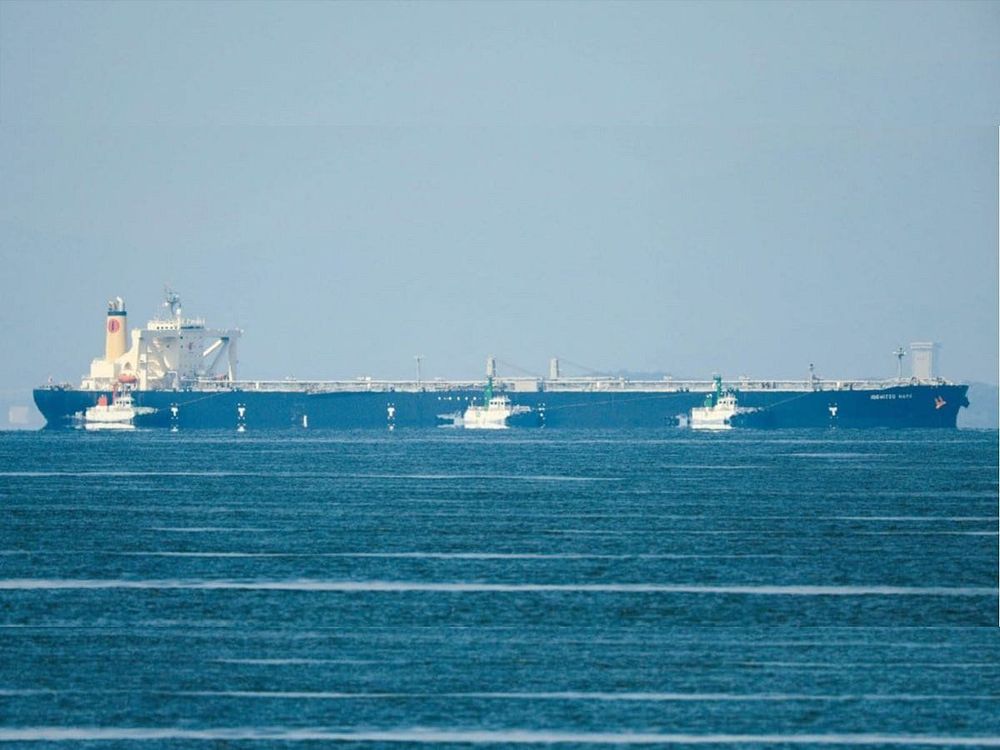
Oil prices held steady early Thursday as traders balanced growing confidence in a potential U.S.-Iran diplomatic agreement against persistent uncertainty over the full reopening of the Strait of Hormuz, a waterway that handles roughly a quarter of the world's seaborne oil trade.
Brent crude traded at $79.38 per barrel at 9:54 am Tokyo time on August 6, down 7 cents or 0.09 percent, while West Texas Intermediate settled at $75.01, off 21 cents or 0.28 percent.
The subdued session followed a sharp selloff earlier in the week triggered by reports that Qatar had begun circulating draft proposals for a U.S.-Iran agreement. Brent plunged 5.3 percent on Tuesday to close at $79.36, while WTI tumbled 5.7 percent to $75.77, marking three-week lows for both benchmarks.
Diplomatic progress raises hopes for shipping normalization
Qatar confirmed Wednesday that efforts to bring Washington and Tehran back to the negotiating table were advancing, with draft language on a potential agreement now circulating among mediators. The talks represent a significant shift after months of escalating tensions that disrupted traffic through Hormuz, a 22-nautical-mile-wide chokepoint at its narrowest point that also carries approximately 20 percent of global liquefied natural gas trade.
The potential deal is closely linked to arrangements for restoring commercial navigation through the strait. A proposed management mechanism would see Iran control the northern shipping lane within its territorial waters while Oman oversees the southern corridor. However, Washington has resisted terms that would require Iranian permission for passage, leaving key details unresolved.
Asian markets stand to benefit most from any successful reopening. China, India, Japan and South Korea together account for approximately 69 percent of all crude flows through Hormuz, with Asian countries overall receiving between 84 and 89 percent of oil and condensate shipped through the waterway.
Supply disruption pushed prices to extremes
The stakes for global energy markets are enormous. When the current conflict erupted, traffic through Hormuz collapsed, with more than 90 percent of normal flows diverted as tensions escalated. The supply shock sent Brent crude surging past $100 per barrel, eventually reaching highs above $126 during the most severe phase of the crisis, compared to lows near $58 in the preceding 52-week range.
Saudi Arabia, which accounts for approximately 38 percent of crude flows through the strait at about 5.5 million barrels per day, has been among the hardest-hit exporters. Iraq contributes 22.8 percent of Hormuz crude traffic, while the United Arab Emirates accounts for 12.9 percent.
Nearly 15 million barrels per day of crude oil passed through the strait in 2025 under normal conditions, representing about 20 percent of global oil consumption. The prolonged disruption forced refiners and traders to seek alternative supply routes at significantly higher costs.
Market remains vulnerable to reversals
The recent price decline reflects an unwinding of the geopolitical risk premium rather than evidence that physical supplies have fully normalized. Shipping companies and refiners are waiting for sustained and reliable flows before committing to large-scale operations through the waterway.
For consumers, particularly in Asia, a credible reopening could eventually translate into lower import costs and reduced pressure on retail fuel prices. However, the effect would not be immediate, as the supply chain would need time to adjust.
Oil has effectively shifted from a war premium to a peace premium, with Brent now hovering around $79 compared to the triple-digit levels reached during the height of the crisis. Tuesday's settlement marked the lowest level for Brent since July 13.
Yet the market remains highly sensitive to diplomatic headlines from Washington, Tehran, Doha and Muscat. If negotiations produce a ceasefire and a workable mechanism for reopening Hormuz, Brent could face further downward pressure. Conversely, if talks collapse or shipping remains restricted, the geopolitical premium could return just as rapidly.
For now, the $80 level has become a psychological battleground for traders, with diplomacy increasingly more important to price direction than traditional supply-and-demand fundamentals.