UAE Friday Sermon Emphasizes Peace Through Islamic Greeting of Salām
This week's unified Friday sermon across UAE mosques highlighted the spiritual significance of the Islamic greeting 'Al-salāmu ʿalaykum,' explaining its rewards and proper etiquette as a cornerstone of Muslim community life.
UAE Friday Sermon Emphasizes Peace Through Islamic Greeting of Salām
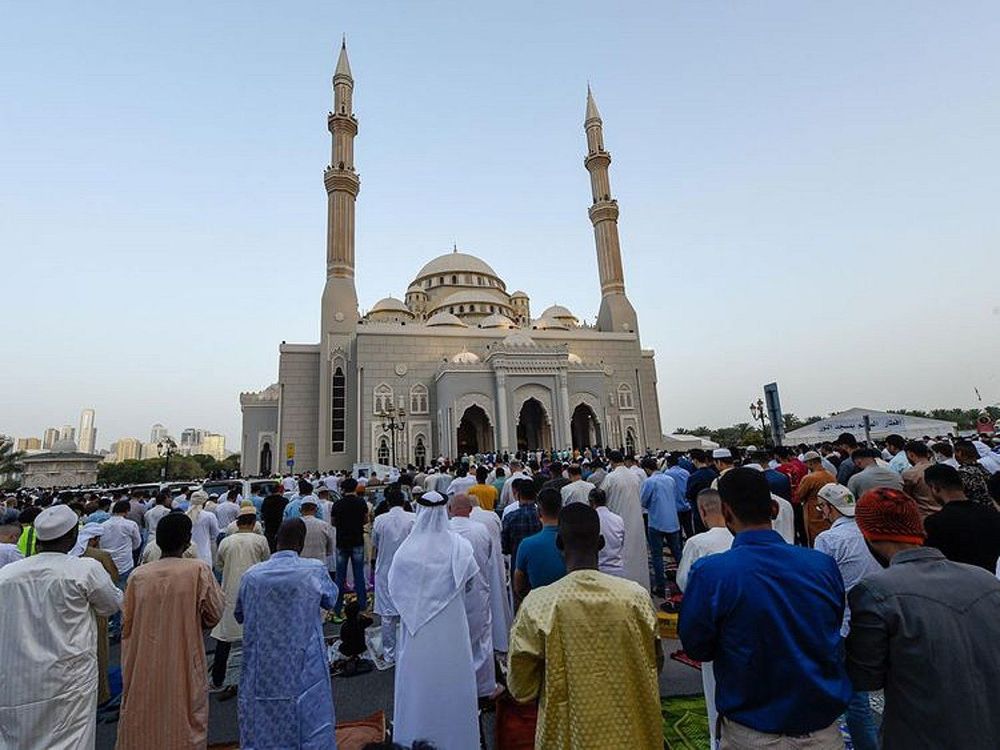
Mosques across the United Arab Emirates delivered a unified Friday sermon on August 7, 2026, focusing on the Islamic greeting of peace—'Al-salāmu ʿalaykum wa raḥmatullāhi wa barakātuh' (Peace be upon you, and the mercy of Allah and His blessings)—as a fundamental symbol of the faith and a pathway to divine reward.
The sermon, coordinated by the General Authority of Islamic Affairs, Endowments and Zakat and delivered simultaneously at 12:45 PM in all mosques nationwide under the unified timing system implemented in January 2026, emphasized that this simple greeting carries profound spiritual weight and practical benefits for Muslim communities.
Spiritual Rewards of the Greeting
The sermon cited prophetic traditions illustrating the graduated rewards for different forms of the greeting. According to a hadith recorded in Imam Bukhari's 'Al-Adab al-Mufrad'—a collection specifically focused on manners and social conduct—the Prophet Muhammad (peace be upon him) assigned ten good deeds for saying 'Al-salāmu ʿalaykum,' twenty good deeds for adding 'wa raḥmatullāh,' and thirty good deeds for the complete form including 'wa barakātuh.'
The sermon described how those who habitually spread this greeting will find their scale of good deeds made heavy on the Day of Judgment, with Allah Himself receiving them with peace. Quranic verses were cited describing Paradise, where the greeting of its inhabitants will be peace, and where angels will welcome the righteous saying, 'Peace be upon you. Enter Paradise because of what you used to do.'
A Foundation for Community Harmony
Drawing on authentic hadith collections including Sahih Muslim, the sermon emphasized that spreading salām is essential for building love among believers. The Prophet Muhammad (peace be upon him) is reported to have said:
By Him in whose Hand is my soul, you will not enter Paradise until you believe, and you will not truly believe until you love one another. Shall I tell you something which, if you do it, you will love one another? Spread salām among yourselves.
The sermon addressed contemporary concerns about Muslims who neglect this practice, passing neighbors without greeting them or entering their own homes without greeting family members. It reminded worshippers that the greeting is blessed by Allah and serves as a cause of harmony, love, and blessing in society.
Proper Etiquette of Salām
The khutbah detailed specific etiquette for giving and receiving the Islamic greeting. According to hadith recorded in both Sahih al-Bukhari and Sahih Muslim:
- Younger people should greet older people first
- Those walking should greet those sitting
- Riders should greet pedestrians
- Smaller groups should greet larger groups
The sermon instructed that greetings should be offered both when entering and departing from gatherings, as the Prophet taught that 'the first greeting is no more deserving than the last.' Even when addressing a single individual, the plural form 'alaykum' should be used because angels are present with that person.
Responding to greetings properly was described as equally important. The Quran commands believers to respond with something better than the greeting received, or at least with an equal greeting, noting that Allah watches over such interactions and will reward those who respond appropriately.
Practical Impact on Society
The sermon highlighted the tangible social benefits of this practice, noting how greetings of peace have extinguished disputes, restored broken relationships, healed wounded hearts, and brought blessings to communities. It urged parents to teach this practice to their children as a core symbol of Islamic identity and a value of UAE society.
The nationwide emphasis on salām comes as the UAE continues to strengthen its unified approach to Islamic observance. Since January 2026, all Friday prayers have been held at the standardized time of 12:45 PM across the emirates, replacing the previous varied timings. This followed an earlier adjustment in 2022 when prayers were standardized to 1:15 PM to accommodate the government's shift of the workweek from Friday-Saturday to Saturday-Sunday.
Given the August 7 date, this sermon would have been delivered in its full form during the summer period when UAE authorities typically shorten Friday sermons to a maximum of 10 minutes from late June through October to protect worshippers from extreme heat—though the detailed nature of this text suggests it represents the full prepared sermon text.
The sermon concluded with prayers for UAE President Sheikh Mohamed bin Zayed Al Nahyan, who has led the nation since May 2022, along with prayers for the country's continued stability, prosperity, and well-being. It also included remembrances for the founding leaders Sheikh Zayed and Sheikh Rashid, the departed rulers of the emirates, and the nation's martyrs.
The khutbah ended with the traditional call: 'Remember Allah, the Most Great and Majestic, and He will remember you. Thank Him for His blessings, and He will increase you therein. And establish the prayer.'