Brazil sues Discord for $97 million over child safety failures
Brazilian government files landmark lawsuit against Discord seeking 500 million reais in damages, alleging inadequate protections for minors following a suicide case linked to the platform.
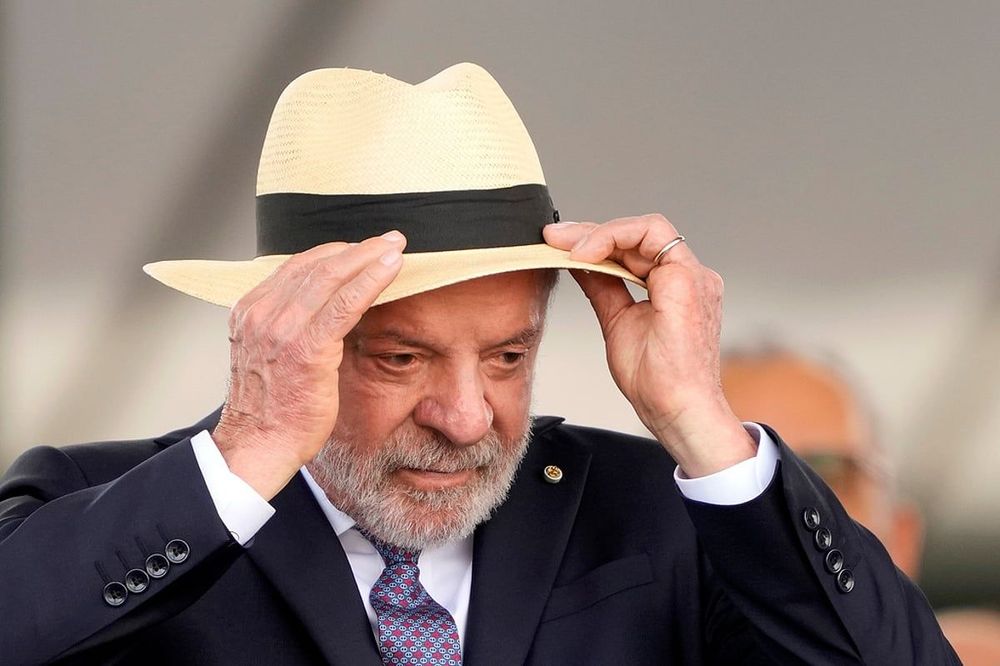
Brazil sues online platform Discord over alleged failures in children protection
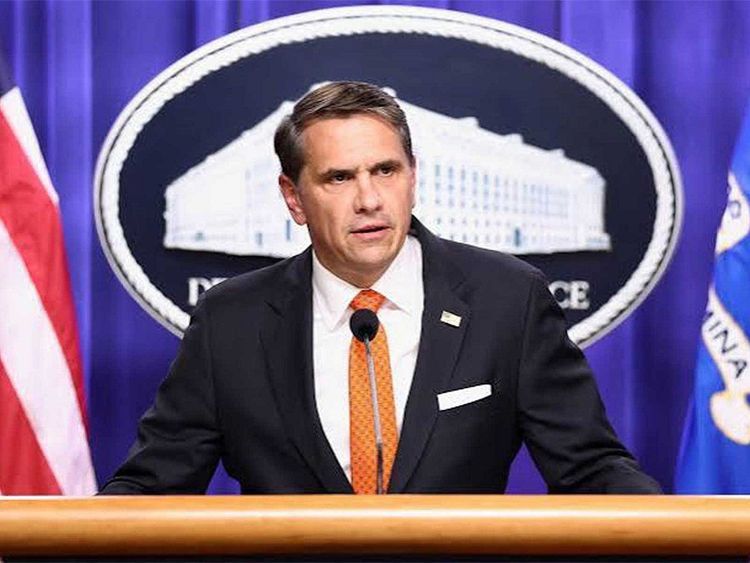
Brazil's government filed a lawsuit in federal court on Wednesday seeking 500 million reais (approximately $97 million) in damages from Discord, the online communication platform with approximately 690 million registered users worldwide, for alleged failures to protect children using its service.
The legal action by President Luiz Inácio Lula da Silva's Solicitor-General's office follows a July suicide case linked to the platform and comes after the government ordered Discord to suspend its live broadcasts earlier this month in connection with the incident. Five teenagers were arrested in relation to the death, according to Brazil's justice ministry.
The 25-page lawsuit alleges severe gaps in Discord's age-verification systems and user safety protections, claiming the company committed direct violations of Brazilian law regarding protections for vulnerable groups, including children and teenagers. The Solicitor-General's office said the damages sought are due to alleged collective psychological harm the platform has allowed.
Discord, which was founded in 2015 as a voice chat application for gamers and now has approximately 200-260 million monthly active users, responded that Brazil's action is disproportionate and does not accurately reflect the company's approach to safety and compliance with Brazilian law. The platform requires users to be at least 13 years old, and approximately 80 percent of its users are adults, according to a company spokesperson.
Brazil's Broader Child Protection Initiative
The lawsuit against Discord forms part of Brazil's comprehensive efforts to regulate minors' internet use. In March 2026, Brazil implemented the Digital Statute for Children and Adolescents, requiring minors under 16 to link their social media accounts to a legal guardian and prohibiting platforms from using addictive features like infinite scroll for minors. The legislation came amid concerning statistics showing that 92 percent of Brazilian children aged 9-17 were using the internet by 2025, and a survey by ChildFund Brasil found that 54 percent of Brazilian adolescents reported experiencing some form of online sexual violence.
Brazil's government is asking the court to order Discord to immediately strengthen parental controls, expand cooperation with local law enforcement, and deploy automated tools to detect and remove dangerous content. First Lady Rosângela Lula da Silva said on August 6 that the platform should be taken offline, citing the suicide case.
Global Regulatory Pressure
The lawsuit notes that Discord faces similar legal pressure globally. Multiple U.S. states have filed lawsuits against the platform focused on child safety concerns, including Texas in May 2026, as well as Nevada, New Jersey, Indiana, and Arkansas. Florida announced an investigation in March 2026. Earlier this year, Discord announced teen-by-default safety settings including age verification requirements and content filters, though the global rollout was paused in March before implementation.
Brazil's regulatory push mirrors a growing international movement to protect minors online. Australia became the first country to enforce a nationwide social media ban for users under 16 in December 2025, with platforms removing approximately 4.7 million under-16 accounts. Following Australia's lead, Indonesia officially enforced its ban beginning March 28, 2026, requiring account deactivations on platforms including YouTube, TikTok, Facebook, Instagram, and others. Canada, France, Malaysia, and several European countries have also announced or implemented similar age restrictions in 2026.
President Lula, who is seeking reelection in October, and Brazil's Supreme Court have attempted to regulate internet use by minors with mixed results so far. The country joins a growing list of nations, including Australia, Canada, and Indonesia, undertaking similar efforts to establish digital safeguards for children.