Harvard Medical School reaches $53 million settlement in body parts theft scandal
Harvard Medical School agrees to establish two settlement funds totaling $53 million for families of body donors whose remains were stolen and sold by former morgue manager Cedric Lodge, who worked at the institution for nearly three decades.
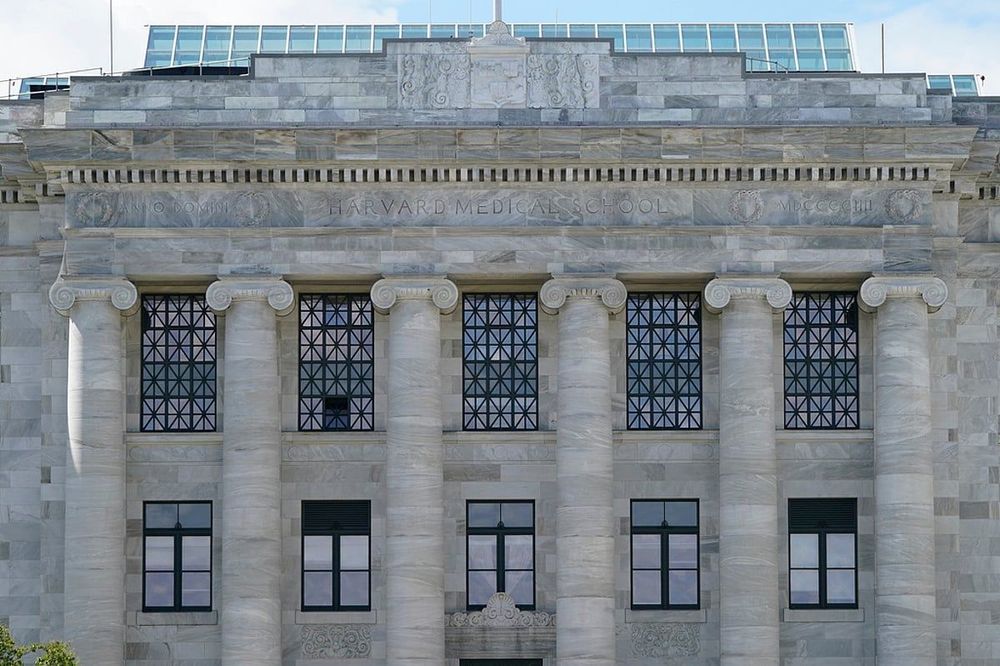
Harvard Medical School reaches $53 million settlement in body parts theft scandal
Harvard Medical School announced Tuesday it will pay $53 million to settle class action lawsuits brought by relatives of body donors whose remains were stolen and sold on the black market by its former morgue manager, pending court approval.
The settlement resolves claims from 47 families whose loved ones donated their bodies for research and education between January 1, 2018, and March 31, 2023. Harvard Medical School Deans George Q. Daley and Bernard S. Chang described the actions of former morgue manager Cedric Lodge as "despicable, abhorrent, and a flagrant betrayal of our values as a medical community."
Nearly three decades of trust betrayed
Lodge worked as morgue manager at Harvard Medical School for almost three decades before his arrest in 2023, a position that gave him extended access to donated remains and allowed him to orchestrate the theft scheme over an extended period. In 2025, he was sentenced to eight years in prison for stealing and selling body parts. His wife, Denise Lodge, received just over a year in prison for assisting him, while six other buyers also pleaded guilty and were sentenced.
Federal investigators revealed that Lodge shipped brains, skin, hands and faces from cadavers to buyers in Pennsylvania and other states. In one particularly disturbing case, he provided skin to a buyer to be tanned into leather and bound into a book. Prosecutors also disclosed that Lodge allowed some buyers to visit the Harvard Medical School morgue to personally select specific body parts for purchase, demonstrating the brazen nature of the operation and significant security failures.
Legal battles and institutional response
The path to settlement proved legally complex. Lawsuits against Harvard were initially dismissed by a Suffolk Superior Court judge who ruled that state law governing body donation protected the university from liability. However, the Massachusetts Supreme Judicial Court reversed this decision in October 2025, allowing the cases to proceed and ultimately leading to the settlement agreement.
Harvard Medical School temporarily suspended its body donation program from June 14, 2023, to November 15, 2023, following the scandal. An independent review panel appointed by the institution in 2023 recommended enhanced security measures, improved donation tracking systems, and establishment of a governing board for the morgue.
The settlement includes two class action funds, though Harvard has acknowledged it cannot determine precisely which donors' remains Lodge stole. The school reviewed federal investigation records and cremation documentation to identify potentially affected donors.
Beyond compensation: reforms and recognition
Beyond financial compensation, Harvard Medical School committed to providing families with a formal statement condemning Lodge's actions and detailing improvements made to its Anatomical Gift Program. The institution also plans to establish an annual financial aid scholarship for medical students beginning in the 2027-28 academic year to honor anatomical donors.
The deans emphasized in their letter that Lodge's conduct
does not reflect the reverence we hold for the altruistic individuals who selflessly donate their bodiesto the program, while expressing "deep sorrow and empathy for the families of donors who may have been impacted."
Part of a broader pattern
This incident is not unprecedented in academic institutions. In 2004, the director of UCLA's Willed Body Program and an employee were convicted in a conspiracy case for buying and selling remains for personal profit, revealing a pattern of similar violations at prestigious universities.
The Harvard case also exposed broader regulatory gaps in body donation oversight. The United States has fewer than 200 body donation programs operating with limited federal oversight and no national laws specifically controlling whole-body donation. Body donation is governed by the Uniform Anatomical Gift Act, first passed in 1968 and revised in 1987 and 2006, with each state adopting its own version of the legislation.
In response to evolving concerns, the American Association for Anatomy published new ethical guidelines and best practices for body donation programs in December 2024, reflecting an industry-wide push for stronger standards and safeguards in the wake of high-profile scandals.