Nepal flood carries bank safe downstream — 29 arrested after allegedly breaking it open
A bank safe swept away by catastrophic floods in Nepal was allegedly broken open by locals who took the cash inside. Police arrested 29 people and recovered NPR 9.27 million from the incident.
Bank safe swept downstream becomes criminal investigation
A bank safe swept downstream by devastating floods in Nepal became the subject of a criminal investigation after people allegedly broke it open and took the money inside.
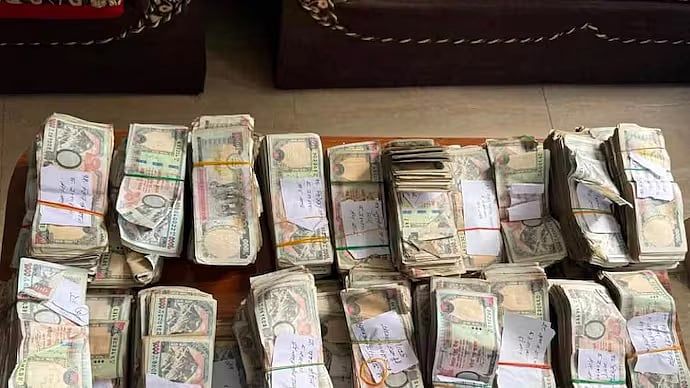
Police arrested 29 individuals and recovered NPR 9.27 million — approximately Dh223,000 — following the incident along the Trishuli River, according to Nepal Police.
The case emerged amid widespread destruction caused by a catastrophic flash flood that struck Rasuwa district on August 26, 2026. The disaster sent a massive surge of water, sediment and boulders downstream through the river system, devastating communities and infrastructure across multiple districts.
Safe travels over 100 kilometers downstream
The safe was swept away from the flood-hit Rasuwa area and carried downstream by the Trishuli River before reaching Dhading district. The Trishuli River originates at the Nepal-Tibet border and flows south through Rasuwa, Nuwakot and Dhading districts, covering significant distance before merging with other river systems.
Nepalese newspaper Kantipur reported that the bank safe was recovered near Galchhi in Dhading, specifically in the Belkhukhola area.
Police allege people removed the safe from the river, broke it open and took the cash inside. A joint team from the Nepal Police and Armed Police Force subsequently arrested 29 people who were taken into custody as authorities opened a further investigation into the case.
Total amount inside safe remains unclear
Police have not disclosed how much money was originally stored inside the safe, meaning investigators have yet to determine whether all the cash has been recovered.
Local reports indicate investigators are now trying to establish the source of the money and whether anyone else may have taken cash before authorities reached the scene.
Under Nepal's National Penal Code, theft convictions can result in imprisonment of up to three years and fines of up to NPR 30,000. More severe penalties ranging from two to seven years imprisonment and fines between NPR 20,000 to 70,000 apply for aggravated circumstances such as theft of government or public property.
Disaster destroys critical infrastructure
The August 26 flash flood destroyed critical infrastructure including roads, bridges, hydropower facilities, water systems and telecommunications networks, leaving affected areas largely inaccessible and hampering rescue and relief efforts.
The flood affected 14 hydropower and solar projects with a combined capacity of approximately 748 megawatts, causing extensive damage to Nepal's energy infrastructure and disrupting electricity supply across affected regions.
Rasuwa district, located on Nepal's northern border with China and home to approximately 50,000 people, was particularly hard hit. The mountainous district is still rebuilding from the devastating 2015 earthquake, making the region especially vulnerable to subsequent disasters.
The August 2026 floods resulted in over 500 confirmed deaths across multiple districts, with approximately 3,750 people rescued and around 1,000 still missing as of late August, according to UN coordination reports.
Police increase security in flood zones
The safe incident prompted authorities to increase surveillance and patrols in flood-affected areas to prevent theft and looting of government, commercial and private property as communities deal with the aftermath of the disaster.
Police have increased their presence across flood-hit regions while investigators continue to work on identifying those suspected of taking the cash and recovering money from individuals brought in for investigation.
The crucial question remains unanswered: How much money was inside the safe when the flood carried it away? Until that is established, police cannot say whether all the missing cash has been recovered or whether more money is still unaccounted for.