Friday sermon highlights national service as path to honour and duty
This week's Friday sermon across UAE mosques emphasises national service as a noble commitment that strengthens youth, unites families and builds a resilient nation, while also celebrating Emirati women's contributions during the month-long commemoration period.
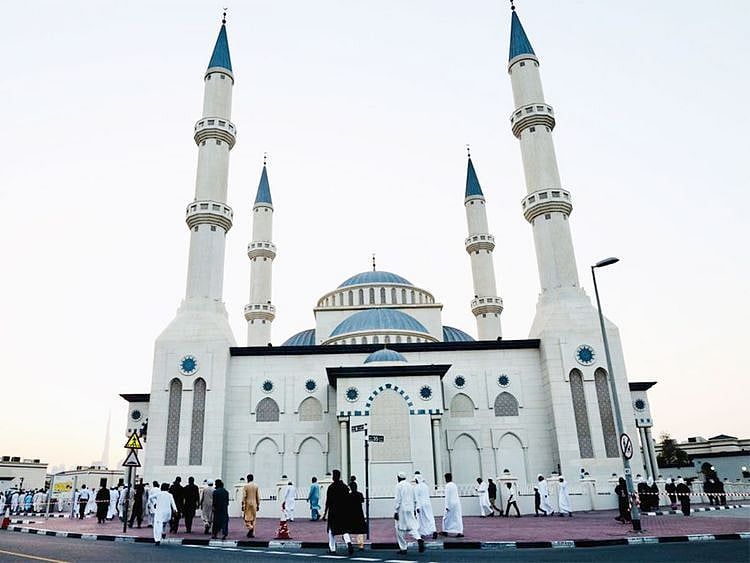
Friday sermon highlights national service as path to honour and duty
Friday sermons delivered across mosques in the UAE this week focused on national service as a cornerstone of patriotism and civic duty, calling upon young Emiratis to embrace military training as both an honour and a responsibility to their homeland.
The sermon, issued by the General Authority of Islamic Affairs, Endowments and Zakat—the body responsible for unified Friday prayer guidelines across all UAE mosques—emphasised that serving one's country through national service represents one of the highest aspirations for honourable citizens. The authority recently adjusted Friday prayer timing to 12:45 PM in January 2026 following nearly four years of study based on social considerations.
National service: a school of character
Addressing young Emiratis enrolled in national service, the sermon described the programme as a transformative experience where participants develop discipline, physical fitness and a deeper sense of national identity. The message encouraged recruits to view their service as a badge of honour that will remain part of their legacy.
Introduced in 2014 under Federal Law No. 6 of 2014, UAE national service became mandatory for all medically fit Emirati men aged 18-30, marking the first time the country had implemented compulsory military training. The first recruits began their training in September 2014.
Current regulations, updated through Resolution No. 15 of 2022, require male high school graduates to serve 11 months, while those without secondary education must complete three years. Women who volunteer for national service serve 11 months regardless of educational background. Service can be completed at various institutions including the UAE Armed Forces, Ministry of Defence, Ministry of Interior, State Security Service and other organisations identified by the Deputy Supreme Commander of the UAE Armed Forces.
Families as partners in service
The sermon addressed parents directly, reminding them that they share both the responsibility and the reward of their children's service to the nation. It called upon families to instil pride in national service and encourage their sons and daughters to embrace the commitment with a strong sense of duty.
The message painted a picture of national unity, with mothers offering prayers for their children's safety and fathers reminding them of their obligation to repay the kindness their homeland has shown them. This partnership between families and the state, the sermon suggested, creates generations committed to protecting and advancing the UAE.
Those who complete national service receive substantial benefits from the government, including priority consideration for positions in both government and private sector employment, marriage grants, housing plots and educational scholarships. Time served also counts toward end-of-service benefits and pension calculations for working Emiratis.
Certain exemptions and deferrals exist within the system. Only sons of families and individuals deemed medically unfit receive permanent exemptions, while temporary exemptions apply to sole family providers and those serving jail sentences. Students may defer service until completing their qualifications if they meet specific criteria, including being under 29 years old and enrolled in courses lasting two years or more with a secondary education average of at least 90 percent.
Emirati Women's Day commemoration
The sermon also recognised the ongoing celebration of Emirati Women's Day, which for the first time in 2026 extends for an entire month from August 28 to September 28 under the theme "We Emerge Stronger and Better." This year's extended celebration period explains why the September 4 sermon incorporated reflections on women's contributions to the nation.
Established in 2015 by Her Highness Sheikha Fatima bint Mubarak, known as the Mother of the Nation, Emirati Women's Day is celebrated annually on August 28, marking the anniversary of the founding of the General Women's Union in 1975.
The sermon praised Emirati women for their multifaceted service to the homeland, describing them as mothers who raise generations, educators who shape minds, physicians who heal, engineers who build, researchers who innovate and entrepreneurs who strengthen the economy. According to Ministry of Human Resources and Emiratisation data, Emirati women now comprise more than 70 percent of the Emirati workforce in the private sector, and women hold 50 percent of the seats in the Federal National Council.
Unity and leadership
In its conclusion, the sermon offered prayers for Sheikh Mohamed bin Zayed Al Nahyan, President of the UAE, who was elected to the position on May 14, 2022, by the Federal Supreme Council. He previously served as Crown Prince of Abu Dhabi from 2004 to 2022 and as Deputy Supreme Commander of the UAE Armed Forces.
The message emphasised that the nation's strength derives from the unity of its people across generations and genders, all working together in service of a common purpose. By framing national service as both a spiritual duty and a practical commitment, the sermon connected religious values with civic responsibility, encouraging Emiratis to see their contributions to national security and development as expressions of faith and patriotism.