UAE midday work ban reaches 99% compliance in its 22nd year
The Ministry of Human Resources and Emiratisation reports that the UAE's summer outdoor work restrictions, enforced since 2005, have achieved a 99% compliance rate, supported by over 12,000 air-conditioned rest stations and comprehensive penalties for violations.
UAE's midday work ban achieves 99% compliance
The UAE's Ministry of Human Resources and Emiratisation has announced that the country's Midday Break policy has reached a 99% compliance rate among private sector employers, marking a milestone in the programme's 22nd consecutive year of implementation since its launch in 2005.
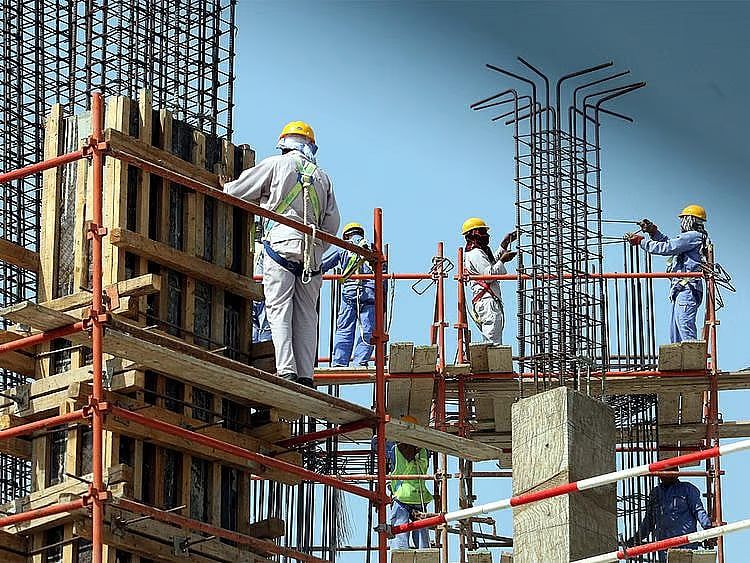
The policy, governed by Ministerial Resolution No. 44/2022, prohibits outdoor work and work under direct sunlight between 12.30pm and 3pm annually from 15 June to 15 September. The restrictions aim to protect workers from heat exhaustion, heatstroke and other heat-related illnesses during the region's most extreme summer temperatures.
This year's enforcement comes amid predictions from the National Centre of Meteorology that summer 2026 will be hotter than previous years due to El Niño conditions, with the region entering peak heat earlier than usual. Recent studies indicate the Arabian Peninsula has experienced temperatures on the hottest days rising by what feels like 4°C since the 1970s, underscoring the growing importance of heat protection measures.
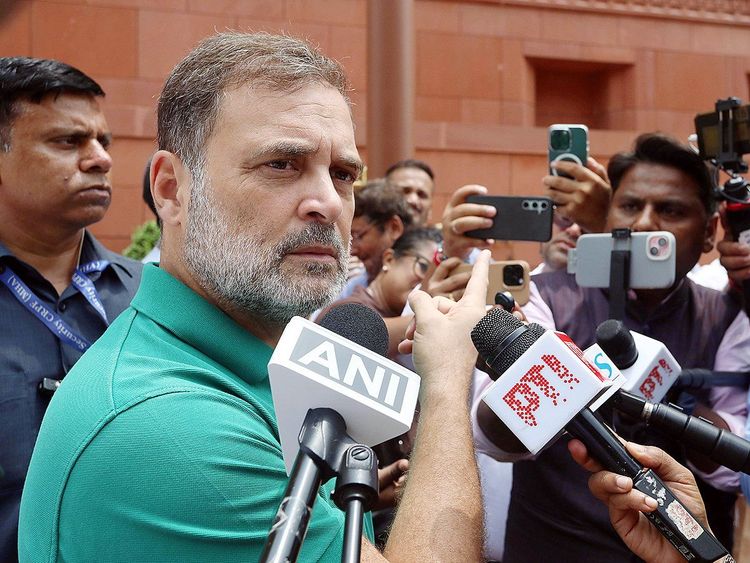
Dalal Al Shehhi, Acting Assistant Undersecretary for the Labour Protection Sector at MoHRE, described the policy as part of an integrated occupational health and safety framework designed to provide safe working conditions during extreme heat.
The Midday Break policy sends every worker a clear message that their safety is a priority, their dignity is protected and their contribution is valued
Al Shehhi noted that the consistently high compliance rate reflects employers' strong commitment to worker safety, with many companies voluntarily implementing protective measures even before the official enforcement period begins each year.
Enforcement and penalties
The high compliance rate is supported by rigorous inspections and substantial penalties for violations. In 2025, MoHRE conducted over 10,000 inspections during the midday break period and issued hundreds of violations.
Employers found in breach of the regulations face fines of AED 5,000 per affected worker, with total penalties capped at AED 50,000 per establishment for multiple violations. Additional consequences include suspension of the establishment's file, downgrading within the MoHRE tier system, and referral to public prosecution in cases involving worker injuries.
Comprehensive worker protections
Under the regulations, employers must provide shaded rest areas during the prohibited hours and supply cooling equipment including fans, adequate drinking water, approved hydration supplements, first-aid equipment and other essential welfare facilities.
For the fourth consecutive year, MoHRE is providing 12,000 air-conditioned rest stations for delivery riders across the UAE in partnership with government entities and private sector organisations. The initiative forms part of broader inspection and awareness campaigns aimed at preventing heat-related illnesses and enhancing worker wellbeing and productivity.
The ministry said the policy has evolved beyond regulatory compliance into a culture of social responsibility, with individuals, businesses and community groups providing workers with cold water, refreshments and meals during rest periods.
Labour productivity projections indicate that by 2030, the UAE could experience a 2.6% reduction in total working hours due to heat stress-induced impacts, highlighting the economic significance of preventive measures like the midday work ban in protecting both workers and business continuity.