Dh750m Emirates Road upgrade to deliver 65% capacity boost with five-lane expansion
Major infrastructure project will widen 25km stretch to five lanes each direction, add six bridges at upgraded interchange, and cut journey times by up to 45% as part of Dh170bn national transport plan.
Dh750m Emirates Road upgrade to deliver 65% capacity boost with five-lane expansion
A major upgrade to Emirates Road will increase the highway's capacity by 65 per cent and reduce travel times by up to 45 per cent between Dubai and the northern emirates, the Ministry of Energy and Infrastructure has confirmed.
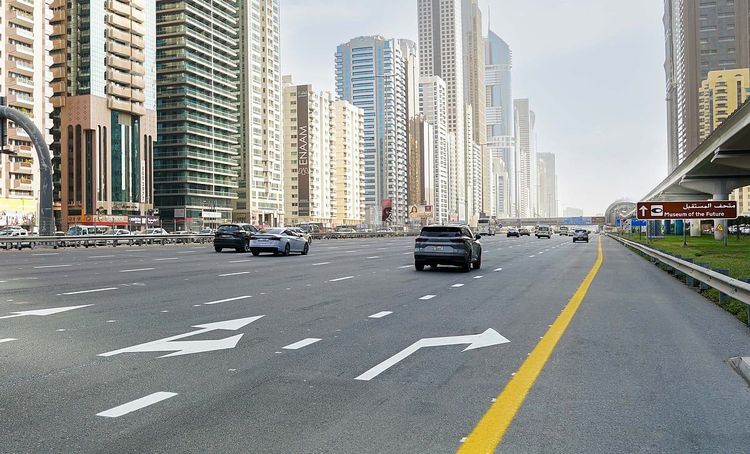
The Dh750 million project will widen a 25-kilometre section of Emirates Road from the Al Badee Interchange to Umm Al Quwain, expanding the highway from three lanes to five lanes in each direction. The upgrade will boost capacity from 5,400 to 9,000 vehicles per hour in each direction, addressing congestion on one of the UAE's busiest transport corridors.
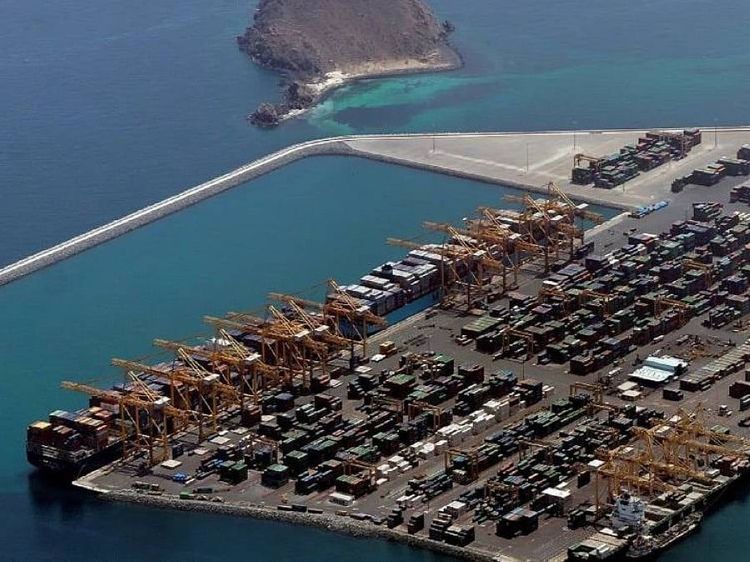
Emirates Road, also known as E611, runs approximately 94 kilometres from Dubai through Sharjah, Ajman and Umm Al Quwain to Ras Al Khaimah, serving as a strategic alternative to Sheikh Zayed Road. The highway provides direct access to key logistics hubs including Dubai Industrial City, Sharjah Airport Free Zone, Ajman Industrial Area and feeder routes to Jebel Ali Port.
Comprehensive interchange redevelopment
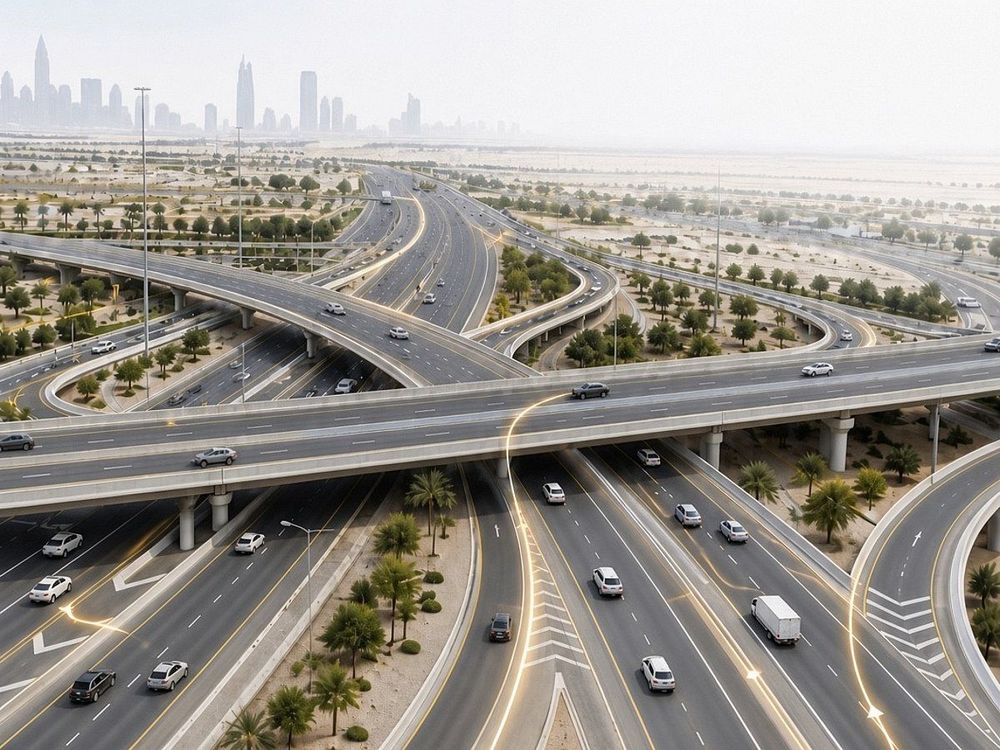
The project includes a complete transformation of Interchange No. 7, where six directional bridges with a combined length of 12.6 kilometres will be constructed. The upgraded interchange will handle up to 13,200 vehicles per hour, while 3.4 kilometres of new collector roads on both sides of the highway will improve traffic merging and reduce bottlenecks.
Construction began in September 2025 and is scheduled for completion within two years. The ministry said the development will improve traffic flow, enhance road safety and provide more reliable journeys for both commuters and freight traffic.
Part of Dh170bn national infrastructure programme
The Emirates Road upgrade forms part of a broader Dh170 billion national transport investment plan announced in November 2025, aimed at developing road and transport projects across the UAE by 2030. The comprehensive programme reflects the scale of infrastructure development needed to address rapidly growing demand, with vehicle registrations in the UAE increasing at an annual rate of 8 to 10 per cent, significantly above the global average of approximately 2 per cent.
Under the national plan, the Ministry of Energy and Infrastructure aims to increase federal road network efficiency by 73 per cent over the next five years, with the number of lanes expanding from 19 to 33 in each direction. The broader strategy also includes constructing a new fourth federal highway extending 120 kilometres with 12 lanes, designed to handle up to 360,000 trips per day.
The ministry confirmed that all projects are being implemented in line with the UAE Centennial 2071 plan, which aims to develop smart, flexible and sustainable infrastructure that enhances traffic flow and supports long-term economic development.
Addressing existing congestion challenges
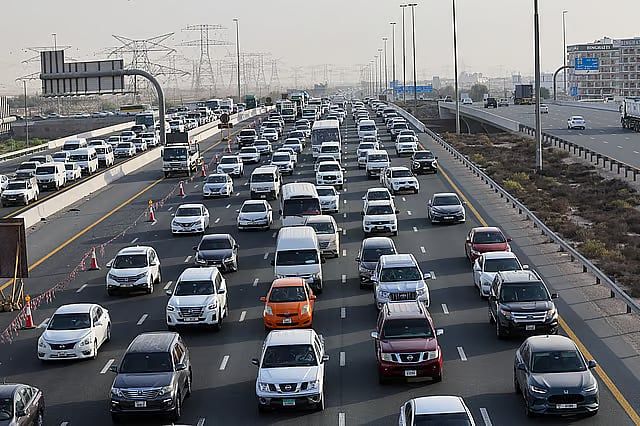
The need for expanded capacity on Emirates Road has been evident in recent traffic management measures. In 2025, authorities introduced a truck ban on the stretch between Al Awir Street and Sharjah during peak hours to reduce congestion, with heavy trucks restricted from entering toward Sharjah during designated periods.
The ministry stated that the upgraded road will be built to international infrastructure standards, with a focus on improving traffic efficiency, safety and the long-term resilience of the UAE's road network. The additional lanes, modernised interchanges and new collector roads are expected to create smoother traffic movements, reduce delays at key merging points and improve connectivity between the emirates.
The project is anticipated to play a significant role in supporting economic activity and the movement of goods and services while providing improved journey reliability for the thousands of daily commuters travelling between Dubai, Sharjah, Ajman, Umm Al Quwain and Ras Al Khaimah.