Genetically modified flies deployed to combat flesh-eating screwworm parasite
US scientists are preparing field trials of engineered screwworm flies designed to eradicate a devastating livestock parasite that threatens billions in agricultural losses as recent outbreaks breach containment barriers in Central America.
Genetically modified flies deployed to combat flesh-eating screwworm parasite
US scientists are launching field trials of genetically modified flies in a high-stakes effort to eliminate the New World screwworm, a flesh-eating parasite that poses a multibillion-dollar threat to livestock across the Americas.
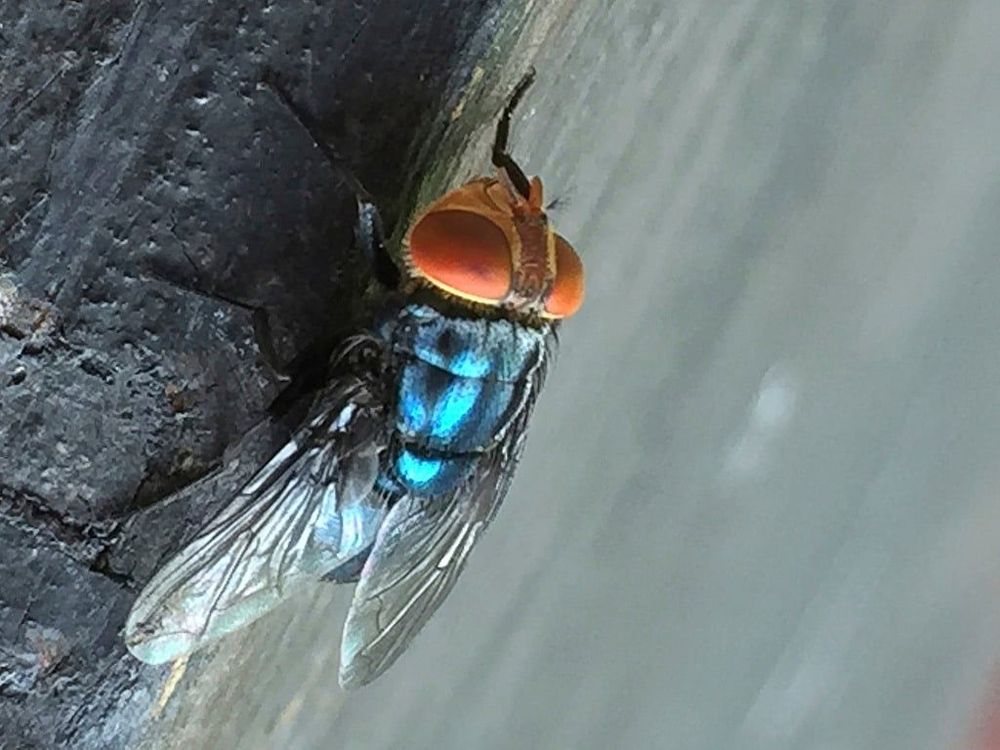
The New World screwworm (Cochliomyia hominivorax) lays eggs in open wounds or body openings of warm-blooded animals. Unlike ordinary flies, its larvae feed on living tissue rather than dead flesh, creating deep, potentially fatal wounds. The parasite attacks cattle, wildlife, pets and occasionally humans in endemic regions.
A proven strategy enhanced with genetic engineering
The new approach builds on the Sterile Insect Technique (SIT), which has protected North America from screwworm infestations for decades. First proven successful in 1954 on the island of Curaçao, where the fly was eradicated within four months, the technique involves releasing sterilised male flies that mate with wild females. Because females mate only once, these unions produce no offspring, causing populations to collapse.
The screwworm was officially eradicated from the United States in 1966 using this method, ending decades of losses estimated at $50-100 million annually for southwestern livestock producers. Between 1962 and 1975, approximately 94 billion sterile flies were released to achieve eradication.
Scientists have now genetically engineered male screwworm flies so that female offspring die before reaching adulthood, while males survive to continue spreading the trait. This precision approach could dramatically reduce the number of insects that need to be bred and released, making eradication programmes faster and more cost-effective than traditional methods.
Containment barrier under pressure
For years, a biological barrier in Panama has prevented the parasite from spreading north into the United States. The Panama facility currently releases approximately 15-20 million sterile flies per week over a 30,000 square kilometre area at the Darien Gap, with densities varying between 3,000 and 6,000 flies per nautical mile squared based on risk levels.
However, the barrier began to fail in June 2023. Screwworm detections in Panama exploded from an average of 25 cases per year to more than 6,500 cases in one year, marking the beginning of an outbreak that has spread north through Central America. Budget cuts, reduced US foreign aid, record human and animal movement through the Darien Gap, and illegal livestock movements all contributed to the breakdown.
The US Animal and Plant Health Inspection Service is investing $109.8 million to combat new screwworm detections in Central America and Mexico and to re-establish the biological barrier in Darien Province. The USDA has also announced construction of a new fly production facility in Edinburg, Texas at Moore Air Force Base, capable of producing up to 300 million sterile flies per week, though it will not be operational until at least 2027.
Billion-dollar stakes
The economic consequences of a widespread outbreak would be severe. USDA estimates that a screwworm outbreak on the scale of a 1976 Texas incident could cost livestock producers approximately $733 million annually and cause $1.8 billion in broader economic damage in today's dollars.
The annual economic benefits from screwworm eradication are estimated at $796 million for the USA, $292 million for Mexico, and $77.9 million for Central America, demonstrating what is at stake if control measures fail.
Agriculture officials warn that a resurgence would threaten billions of dollars in livestock production while increasing veterinary costs and animal suffering across multiple species.
Gradual rollout ahead
Researchers emphasise that the genetically modified insects remain under regulatory review and field evaluation. Any operational release would be carried out gradually alongside existing sterile insect programmes, with scientists monitoring whether the engineered males behave like their wild counterparts and whether populations decline as expected.
If trials succeed, the programme could represent one of the largest real-world applications of genetic engineering to control an agricultural pest, potentially offering a blueprint for tackling disease-carrying insects without heavy reliance on pesticides.