Former Guerrero Governor Arrested Over 2014 Disappearance of 43 Students in Mexico
Ángel Aguirre, former governor of Guerrero state, has been arrested for allegedly concealing evidence in the Ayotzinapa case, marking the highest-level charge yet in the disappearance of 43 students nearly 12 years ago.
Former Guerrero Governor Arrested Over 2014 Disappearance of 43 Students in Mexico
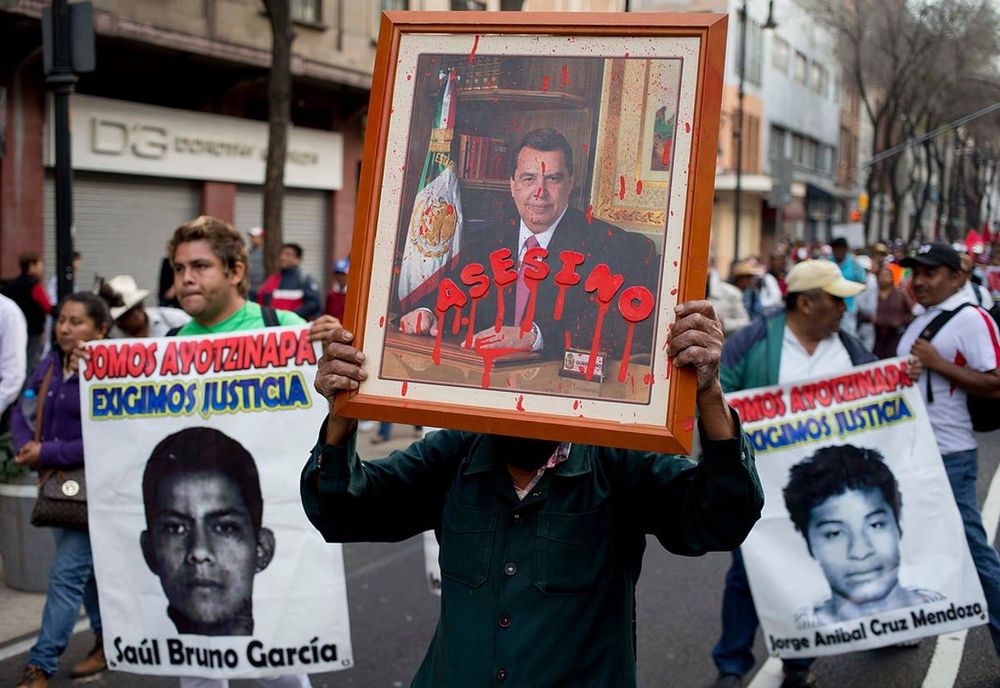
Mexican authorities arrested former Guerrero state Governor Ángel Aguirre on Thursday for his alleged role in concealing evidence related to the 2014 disappearance of 43 students, a case that has become emblematic of state complicity in cartel violence and widespread impunity.
Federal prosecutors charged Aguirre with concealing evidence to determine the whereabouts of students from the Ayotzinapa Rural Teachers' College, founded in 1926 to train teachers for rural areas and long known as a center for social activism. The arrest represents the highest-profile detention in the case since former federal Attorney General Jesús Murillo Karam was arrested in August 2022 on charges of forced disappearance, obstruction of justice, and torture.
Aguirre governed Guerrero from 2011 until his resignation in October 2014, one month after the students vanished. The former governor belonged to a party that later gave rise to Mexico's ruling Morena party.
The Night of September 26, 2014
The students had commandeered several buses to travel to Mexico City to participate in a march commemorating the October 2, 1968 Tlatelolco massacre of unarmed students. This practice of borrowing buses is traditional among students from rural normal schools throughout Mexico and had been widely tolerated, never previously met with lethal force in the region.
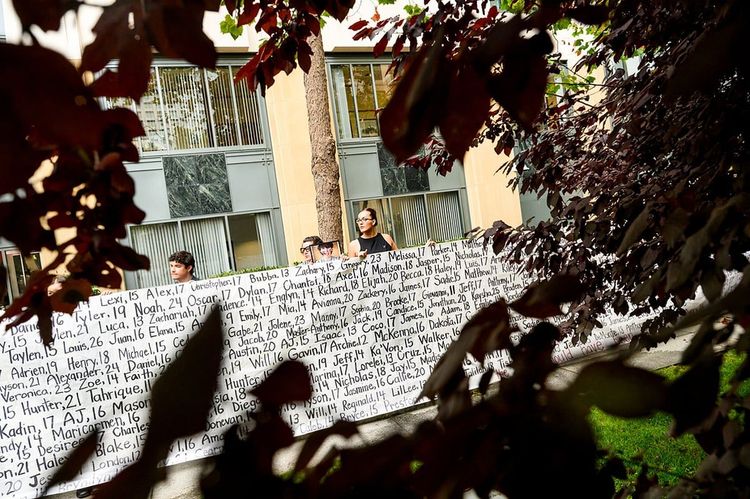
On the night of September 26, 2014, a cartel in Iguala attacked the students in coordination with security forces and local, state, and federal authorities, including the military. The violence that night claimed six lives—three students and three bystanders—and left 25 people injured, while 43 students were forcibly disappeared.
Allegations of Evidence Destruction
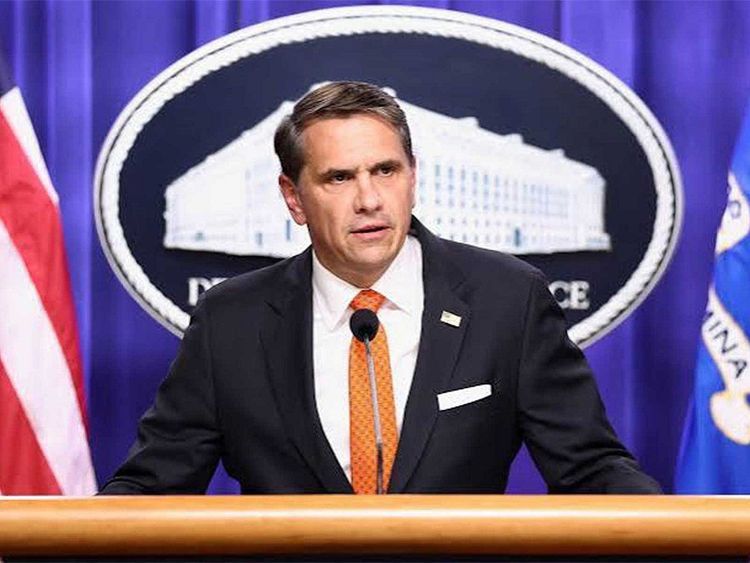
Attorney General Ernestina Godoy stated that two testimonies gathered this year indicate Aguirre not only requested security camera footage from one attack location but also ordered the destruction of evidence related to the events.
The Attorney General's Office has evidence proving that this order to conceal evidence was issued directly by the then-governor, with the participation of high-level state officials, Godoy said. She described the concealment of recordings as a malicious operation deliberately orchestrated from the highest levels of the State Executive Branch.
Godoy did not explain why the testimonies of a collaborator and a protected witness, collected in January and May 2016, were obtained more than a decade after the events. She indicated that upon her arrival at the Attorney General's Office late last year, she began a reanalysis of the case with a new investigative approach.
Security cameras had recorded the moment when security forces stopped one of the buses outside the Palace of Justice, but initial official statements claimed this footage did not exist. Federal prosecutors now confirm what investigators from the Inter-American Commission on Human Rights denounced years ago: that these recordings were hidden or destroyed to conceal evidence. The commission signed an agreement with the students' families and the Mexican government on November 12, 2014, to provide technical assistance for the case through an expert group.
Families Kept in the Dark
Hours after the arrest, the Agustín Pro Juárez Human Rights Center, representing the families, stated in a social media post that neither the students' parents nor their attorneys had been notified of the arrest or informed of the charges. The current federal administration had committed to informing parents first of any developments, a key demand from families for years.
If it is solid and in accordance with the law, the process that is beginning could help settle a debt of justice for the families
the center stated.
Clemente Rodríguez, father of one of the students, recalled that families had asked for Aguirre to be investigated from the beginning. He has to tell everything he knows, Rodríguez told The Associated Press.
A Pattern of Arrests Without Convictions
Scores of people have been arrested in connection with the case over the years, including soldiers, high-ranking army members, police officers, and members of the Guerreros Unidos cartel. Despite the numerous arrests, no one has been convicted of the crime, and some suspects have been released from prison.
Murillo Karam is accused of orchestrating the torture of at least six people to obtain false confessions, and a UN report stated that 34 people were tortured in connection with the investigation.
After three administrations and dozens of arrests, an investigation plagued by irregularities has left key questions unanswered. Authorities believe the students were killed, but only bone fragments from three of them have been found. The motive for the attack remains unclear, though it is believed to have been linked to heroin trafficking on buses to the United States, operated by the local cartel in collusion with authorities. Guerrero state was a major source of opium processed into heroin for the U.S. market, and in 2014, the state had Mexico's highest murder rate with 37.3 per 100,000 residents.
Continuing Search for Justice
The administration of former President Andrés Manuel López Obrador, who served from 2018 to 2024, described the Ayotzinapa case as a state crime.
Under President Claudia Sheinbaum, whose administration began in October 2024, new lines of investigation have been reopened. Sheinbaum has reestablished direct dialogue with the families and announced the engagement of independent experts to support the Attorney General's investigations, according to the Inter-American Commission on Human Rights.
The 43 students are among more than 115,000 people recorded as missing in Mexico as of 2024, according to official figures. The Ayotzinapa case continues to fuel outrage nearly 12 years later as the truth continues to trickle out, serving as a powerful symbol of the country's broader disappearance crisis and the urgent need for accountability.